

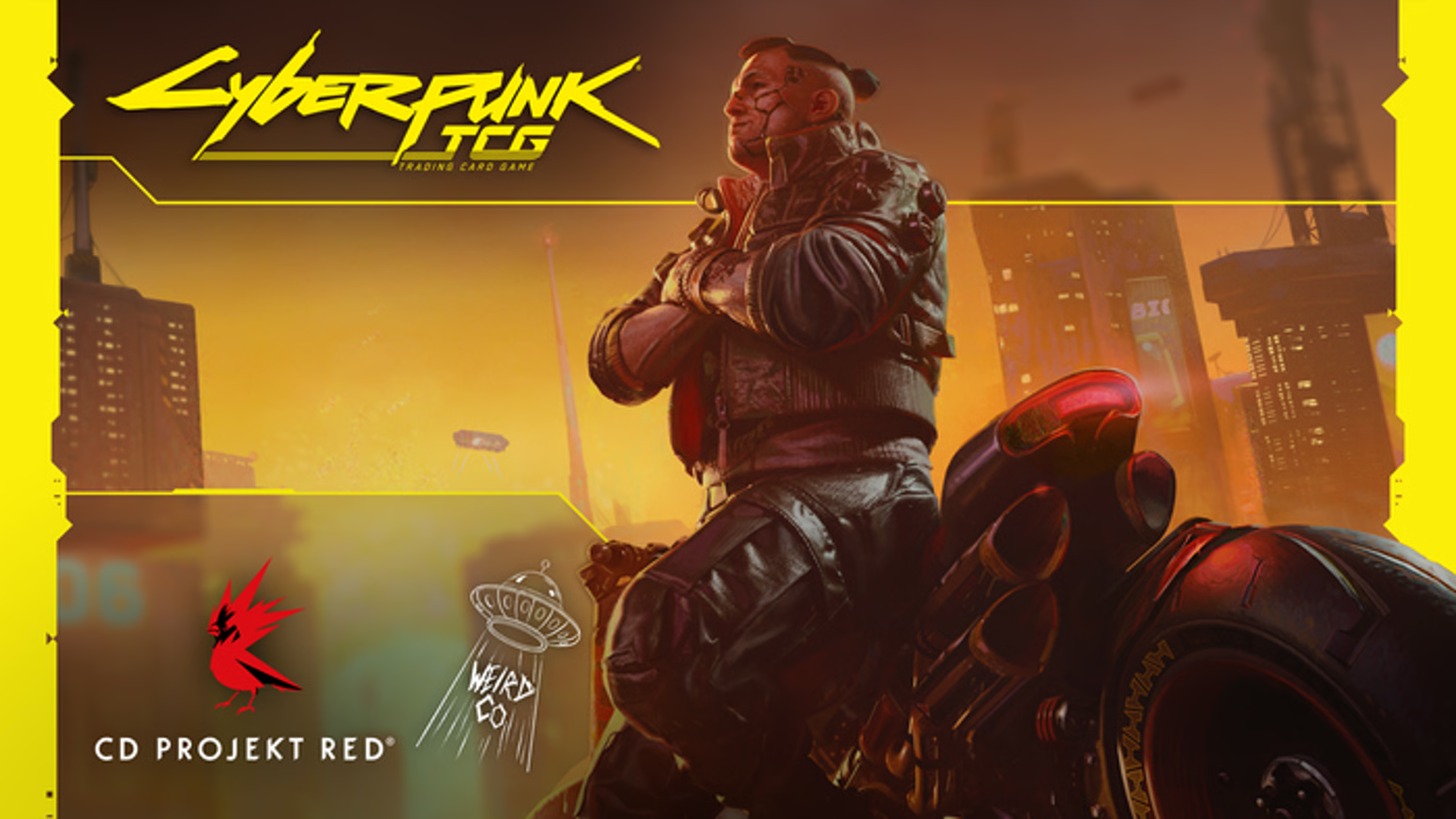
A game born under the neon… and under the millions
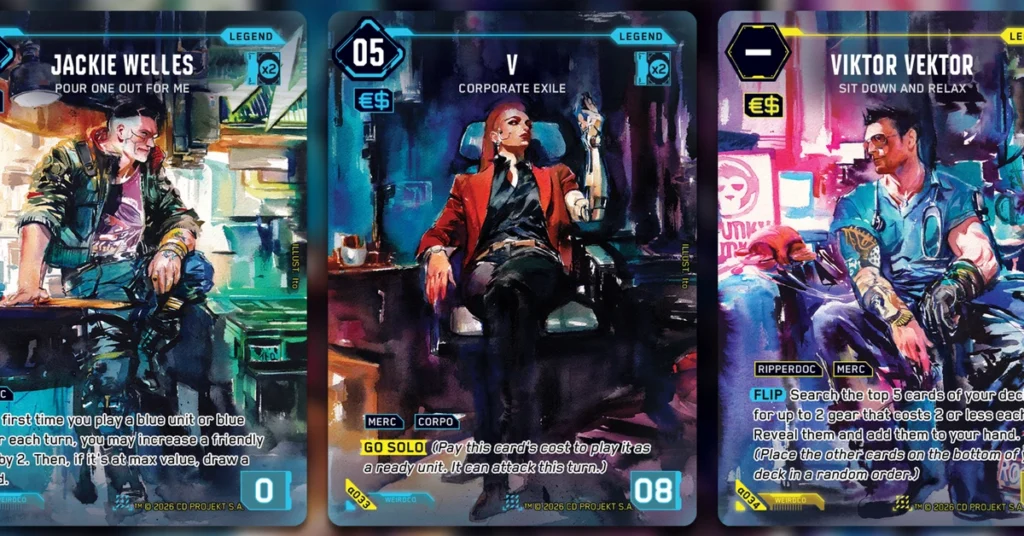
To understand the Holophone’s ambition, you have to go back to March 2026. That is when WeirdCo launched the Kickstarter campaign for Cyberpunk TCG, a two-player collectible card game developed in close collaboration with CD PROJEKT RED. The principle is simple: you build a crew with figures from the franchise and face your opponent to become a legend of Night City.
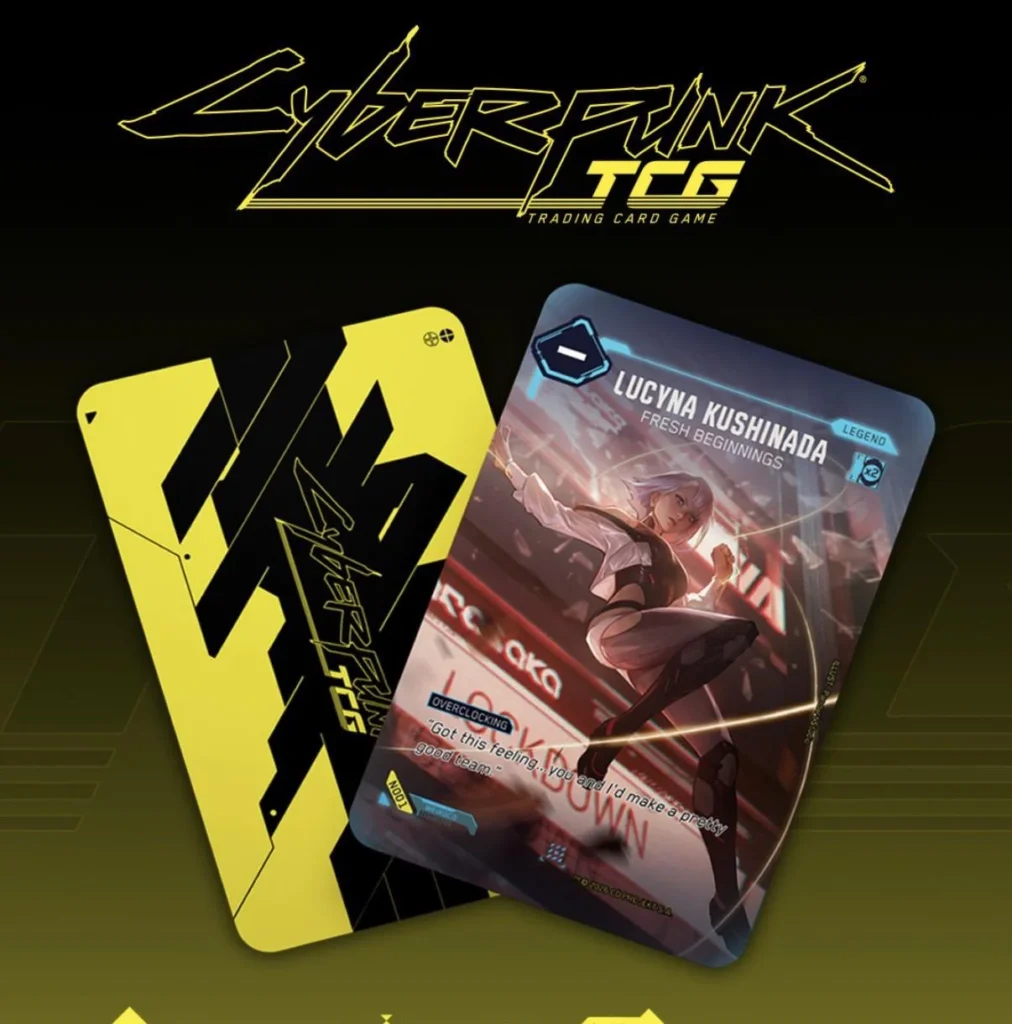
The result exceeded expectations. The initial goal was reached in five minutes, and the campaign ended at more than 28.3 million dollars from 50,773 backers. It is presented as the best-funded TCG campaign in Kickstarter history. The first commercial set, Welcome to Night City, releases on 6 November 2026, with V, Jackie Welles, Johnny Silverhand and Judy Álvarez. The second set will bring in the characters of Cyberpunk: Edgerunners in full.
With that many mercs funded, they needed to be given work. That is where the Holophone comes in.
The principle: your phone becomes a fixer
The Holophone was unveiled on 7 October, then detailed two days later on the official blog. A “Deep Dive” video comes with it, featuring Pawel Burza and Patrick Mills of CD PROJEKT RED. It is a narrative experience tied to the game’s Organized Play events.
In practice, you go through an app available on the web or on mobile. You start by choosing your side among three factions:
- Arasaka, the megacorporation that needs no introduction;
- the Aldecaldos, the nomad clan of the Badlands;
- Maelstrom, the most chromed-up gang in town, and by far the least reputable.
The story comes through text messages. You chat with characters, accept contracts and make narrative choices. Anyone who has played Cyberpunk 2077 will recognise the device: in the video game, a good part of the plot also arrives through messages from fixers, often at the worst possible moment. The team is reusing a reflex fans already have, and that is rather clever.
The backdrop: Arasaka packs up, the vultures move in
Story-wise, the Holophone opens on a power vacuum. After the events of Cyberpunk 2077, Arasaka leaves Night City, and rival factions step forward to claim the ground.
Three first contacts have been announced, one per faction:
- Gunnar, from Arasaka’s internal security;
- Forge, on the Maelstrom side;
- Monise, on the Aldecaldos side.
It is a smart choice in narrative terms. Arasaka’s departure creates an unstable situation, ideal for telling a turf war over several months. On top of that, each faction has a good reason to act, whether it is salvaging what it can, taking what is left or seizing the chance to move in.
Main Jobs, Side Jobs… and the tournament as the engine of the story
The structure clearly borrows the vocabulary of the video game:
- the Main Jobs form the main storyline specific to each faction;
- the Side Jobs gather the side missions.
What is truly new is that these missions are linked to tournament results, in particular Melee-type events. What you do around the table has consequences in the story. WeirdCo also specifies that Weekly Brawl players receive rewards even when they lose.
This detail matters more than it seems. Organised in-store play has a well-known problem: the casual player who loses three rounds and goes home feeling the evening was wasted. If the story continues whatever the score, a night at the store becomes an episode of a series rather than an exam. You can get beaten and still come back the following week to find out what happens next.
The philosophy: taking the story beyond a single game
In the Q&A published on the blog, Emanuel Garcia, Narrative Lead at WeirdCo, sums up the goal: making stories last beyond a single game. The system works on two scales:
- in stores, stories that move forward month after month;
- at the Edgerunner Open Regionals, larger narrative experiences.
It echoes the logic of the big narrative campaigns of role-playing and miniatures games, or the seasonal leagues of some TCGs, but with a modern messaging interface and a very well-defined universe. On paper, it is the right way to keep Night City alive between two expansions.
The schedule: an Alpha above all
Caution is in order: the Holophone is in Alpha. WeirdCo has announced a gradual rollout:
- a Main Job demo during the Welcome to Night City prereleases and throughout November;
- additional content, features and options afterwards, with no precise date.
The studio specifies that all of this remains subject to change. In Night City, even schedules come with a betrayal option.
What remains to be proven
The concept is appealing, but several questions remain open:
- Consistency. A monthly story means writing continuously. The pace will have to hold over time, not just during the launch.
- Buy-in from stores. Everything rests on Organized Play. If the store near you does not play along, the Holophone will ring out unanswered.
- The balance between story and competition. Rewarding the losers is a good idea. It remains to be seen how that sits alongside competitive players, for whom the ranking matters more than Gunnar’s moods.
- The reach of choices. We do not yet know whether players’ decisions, individual or collective, will truly influence the story, nor on what scale.
Provisional verdict
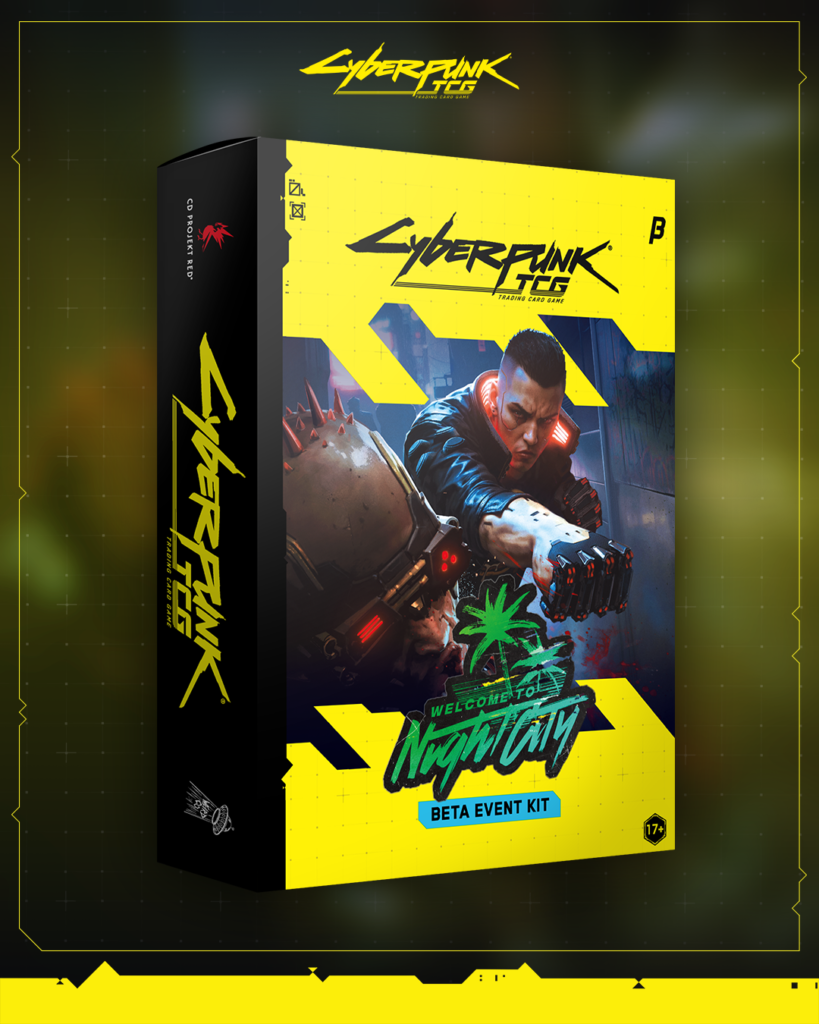
With the Holophone, Cyberpunk TCG takes on what many card games lack: a reason to come back that does not depend only on the ranking. By turning the store into a narrative meeting point and leaning on the codes of Cyberpunk 2077, WeirdCo and CD PROJEKT RED are offering something consistent with their universe.
We will have to wait for the November demo to know whether the idea holds up over time. In the meantime, keep your phone charged. In Night City, a fixer never calls at the right time.


Comments 0
No comments yet: start the conversation!
Your Discord name and picture will sign your comment. Be courteous: inappropriate comments are removed.