In-deptharticles

Articles

★ Sci-Fi Culture

Squadron 42: the first worldwide playtest, as told by those who were there

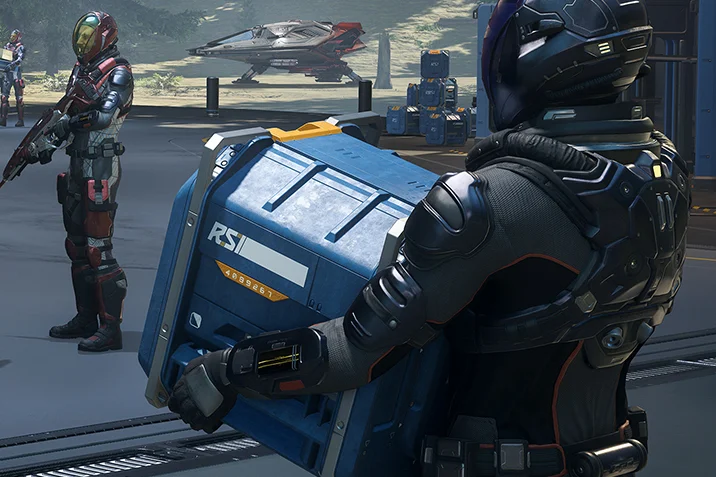
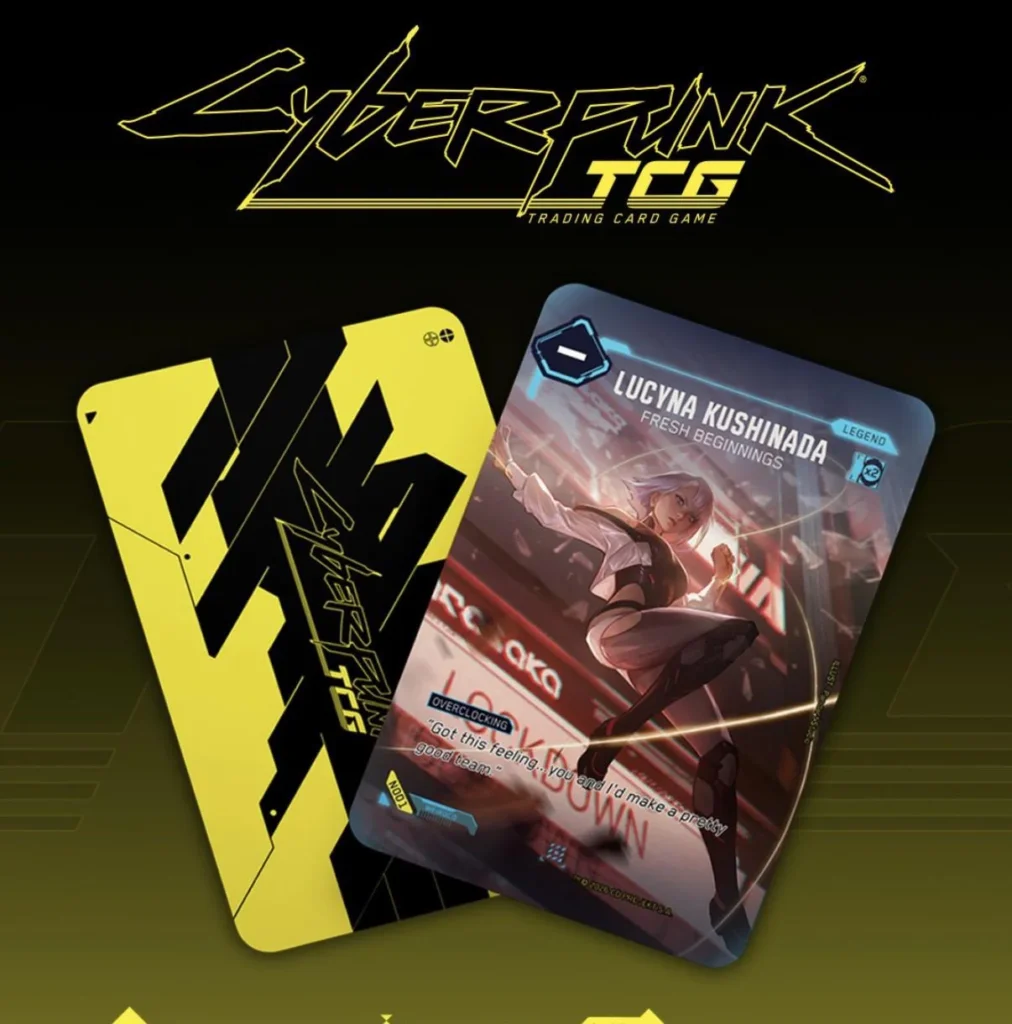
On 9 October 2026, Cloud Imperium Games let 120 guests play Squadron 42 for five hours at its Manchester studio. It is the first time the game has been in outside hands. We weren't there, and we are not jealous in the slightest. So here are the questions you ask when you know nothing, and what those who were there have to say. The answers are a synthesis of first impressions published right after the event: Commander Fran's write-up, the reviews by Camak and Hugo Lisoir, and observations from Citizen Spooner. They are reworded. Only the passages in quotation marks use their own words, translated from French where needed.

Read the article

Sci-Fi Culture

Gears of War: Twenty Years of War, Chainsaws and Family Secrets

On 6 October 2026, Gears of War: E-Day took Marcus Fenix back to the day it all began. In a month, on 7 November, the saga turns twenty. A series that settles most disagreements with a chainsaw bolted to a rifle deserves to be told in order, and with a minimum of seriousness. First, the history of the planet Sera, as the games and novels tell it. Then the very real history of the people who invented it: the studios, then the authors. Warning: the first part spoils the entire saga, E-Day excepted.

Read the article

Sci-Fi Culture

Star Citizen: The Genesis of a Universe and of Cloud Imperium Games

In October 2012, Chris Roberts asked for 2 million dollars to bring the space sim back to life on PC. Fourteen years later, Star Citizen has passed one billion dollars in funding, its studio employs more than a thousand people, and the game is still in alpha. This is the story of how an outsized project came to be, and of the company built to make it: Cloud Imperium Games. No video game has ever raised this much money from its own players. None has taken this long not to come out, either. To understand how a crowdfunding campaign turned into a global studio, you have to go back well before 2012, to a teenager in Manchester writing code on a BBC Micro.

Read the article

Sci-Fi Culture

Why science fiction helps us think about the future

Long before the engineers, writers were dreaming up rockets, robots and satellites. A look back at a genre that does not predict the future, but teaches us how to argue about it. Science fiction has never claimed to predict the future. It does something better: it asks 'what if…?' and follows the answer all the way through. What if we could leave Earth? What if a machine began making decisions for us? What if the climate tipped over? Each story is a thought experiment carried to its conclusion, with characters there to feel the effects. The American author Frederik Pohl is credited with a line that sums up the exercise: a good science fiction story does not just predict the car, it predicts the traffic jam. In other words, the invention matters less than what it changes in our lives. That is what makes the genre such a remarkable laboratory of ideas.

Read the article
Comment fonctionne un processeur, expliqué simplement

Tech

How a Processor Works, Explained Simply

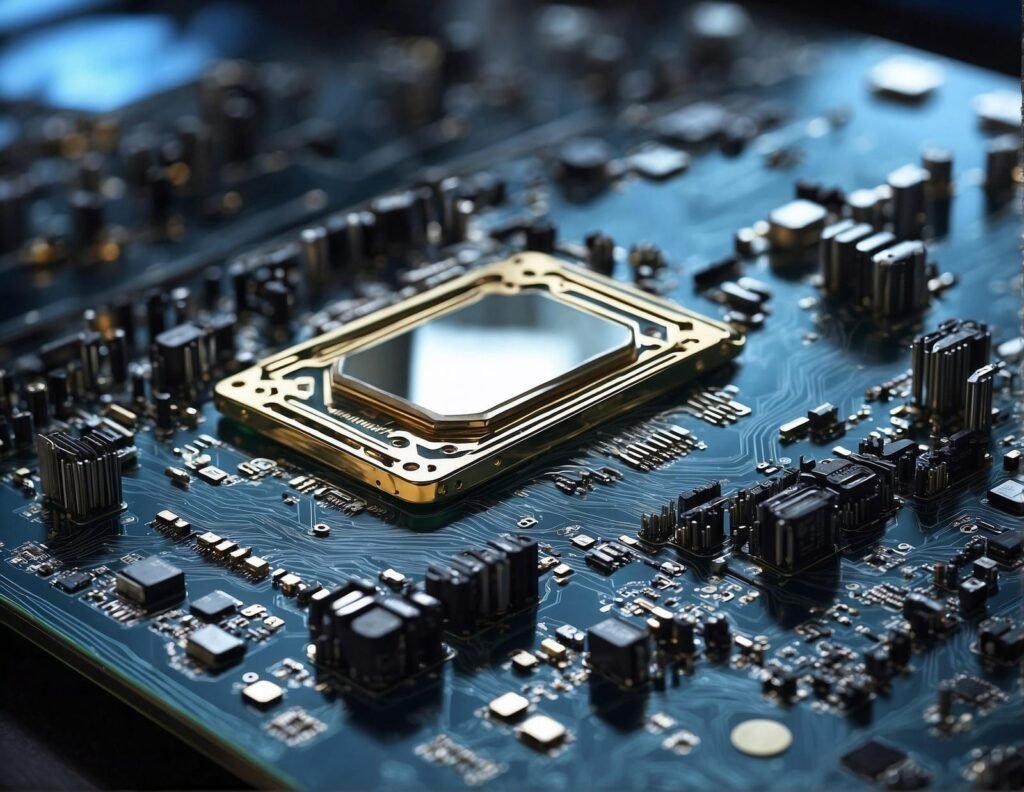
Billions of tiny switches, a clock that ticks billions of times a second and a recipe followed to the letter: that's what is hiding inside the chip that runs our computers, phones and consoles. A guided tour, no equations required. The processor is often called the computer's "brain". It's a handy image, but a misleading one: a processor doesn't think. It carries out very simple orders, one at a time, at a speed that defies imagination. Physically, it's a sliver of silicon barely bigger than a fingernail, protected by a casing. You'll find one in a PC, of course, but also in a smartphone, a car, an internet router or a washing machine.

Read the article
Space opera, cyberpunk, hard SF : le petit lexique de la SF

Sci-Fi Culture

Space opera, cyberpunk, hard SF: a short sci-fi glossary

Do you mix up space opera and hard SF? Not sure whether Blade Runner belongs under cyberpunk or dystopia? This short guide sorts out the main families of science fiction: for each one, a definition, a little history and a few works to start with. Science fiction is less a genre than a continent. Galactic sagas, neon-lit noir, engineers' novels and green utopias all live under the same label. Subgenres work as a compass. They say less about what a story tells than about the promise it makes to its audience: escape, scientific wonder, a warning or a reason to hope. Here are the four families worth knowing, and a few of their cousins.

Read the article
Comment une fusée quitte-t-elle la Terre ?

Aerospace

How does a rocket leave the Earth?

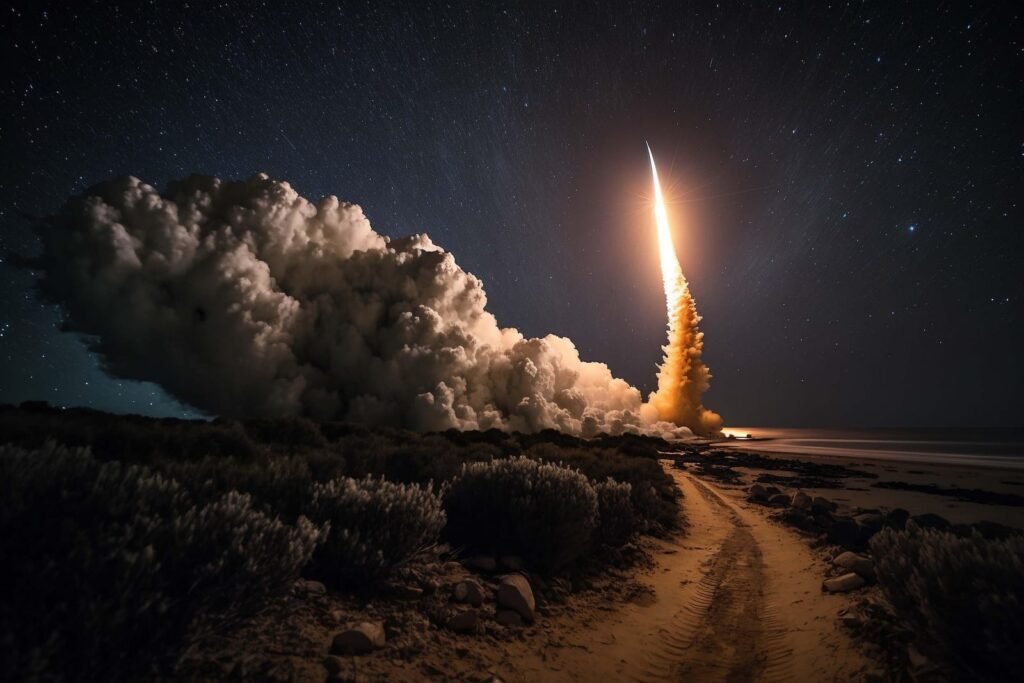
Thrust, insane speeds, stages dropped in mid-flight… Leaving Earth has less to do with magic than with physics, and an unreasonable amount of fuel. Explained without equations, promise. Sending an object into space is a bit like throwing a pebble hard enough that it never comes back down. On paper, it's simple. In practice, you need a machine as tall as a building, filled to the brim with stuff that would love nothing more than to explode, and steered with millimeter precision. Here's how it works, in four ideas.

Read the article
1 2
Back to top