
Sample article: replace it or delete it from the team area.
Sending an object into space takes a colossal amount of energy. Here are the key principles.
Action, reaction
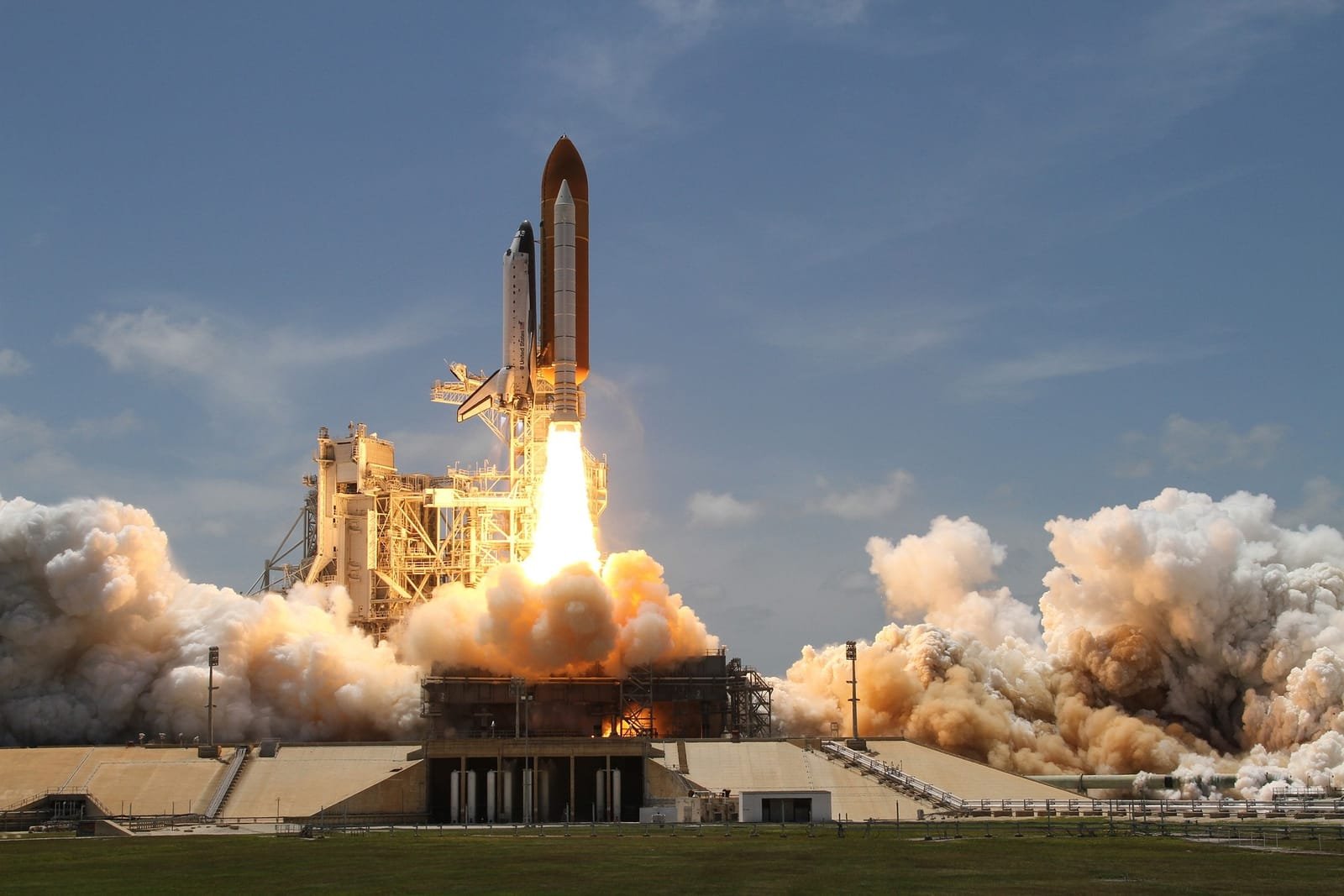
A rocket ejects gases downwards at very high speed. In return, it is pushed upwards: this is the action-reaction principle stated by Newton. To lift off, this thrust must be greater than the rocket’s weight.
Going fast, very fast
To stay in low orbit around the Earth, a rocket must reach about 7.8 km/s, or more than 28,000 km/h. To escape the Earth’s gravity completely, it must even exceed 11.2 km/s.
Stages that separate
A rocket mostly carries… fuel. To lighten its load along the way, it drops its empty tanks: these are the stages. Some recent launchers can even bring their first stage back to reuse it.