

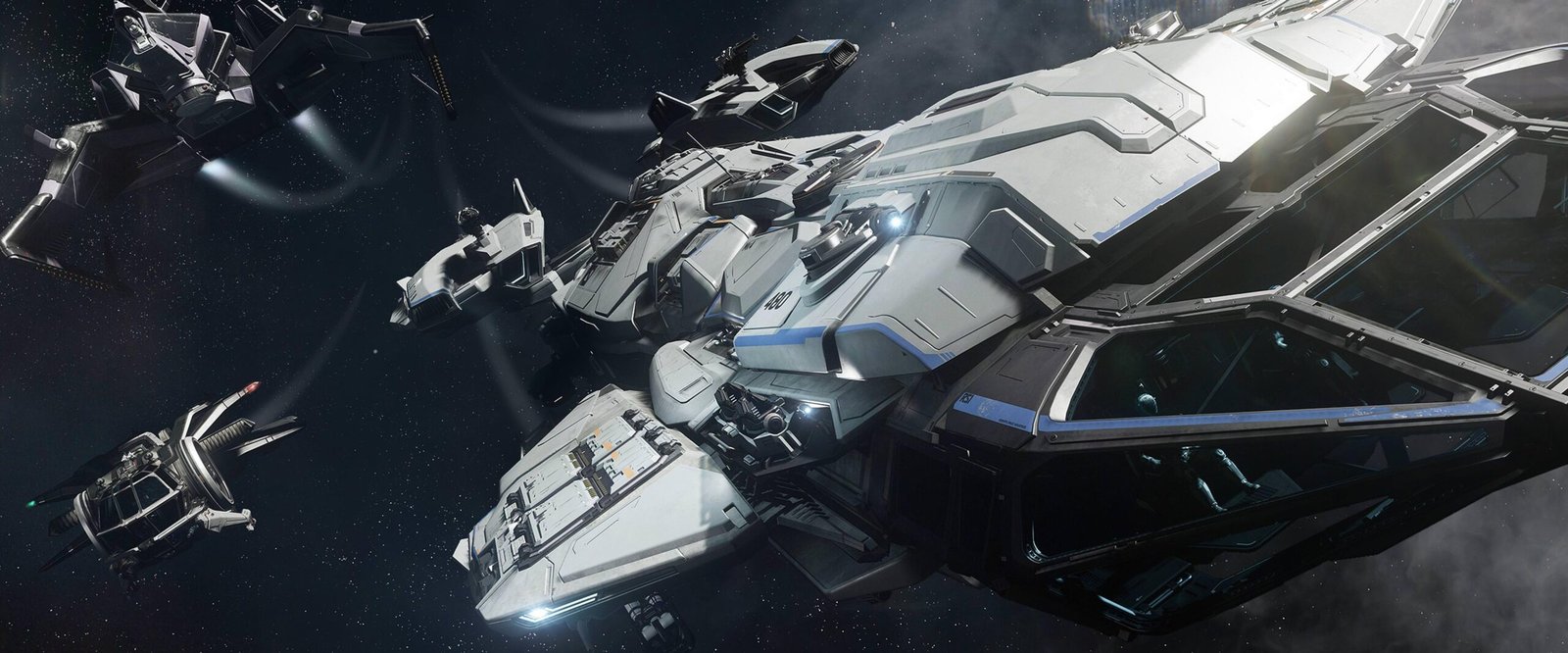
Behind every Star Citizen ship lies far more than a 3D model. From the first sketches to the onboard systems, from the materials to the corridors, from the engines to the cockpits, its design brings artists, designers and engineers together around a single goal: creating a machine that looks as if it was built to really exist.
In the universe imagined by Cloud Imperium Games (CIG), a ship does not just carry a player from A to B. It tells a story, embodies a civilisation, serves a trade and has an identity of its own. Some ships recall the lines of a modern military jet; others look like industrial freighters, luxury yachts or imposing space fortresses. And when you step through their airlock, you sometimes find real interior architecture, with workspaces, technical areas and living quarters.
That attention to detail has become one of Star Citizen’s signatures. It also explains why creating a single ship can be a huge undertaking, one that goes far beyond the usual boundaries of game art. To understand that ambition, let’s step out of the cockpit for a moment and cross to the other side of the screen, into the digital workshops where the game’s most iconic machines take shape.
The essentials in 30 seconds
- A philosophy: at CIG, a ship must tell you its job and look as if it came out of a real company’s design office.
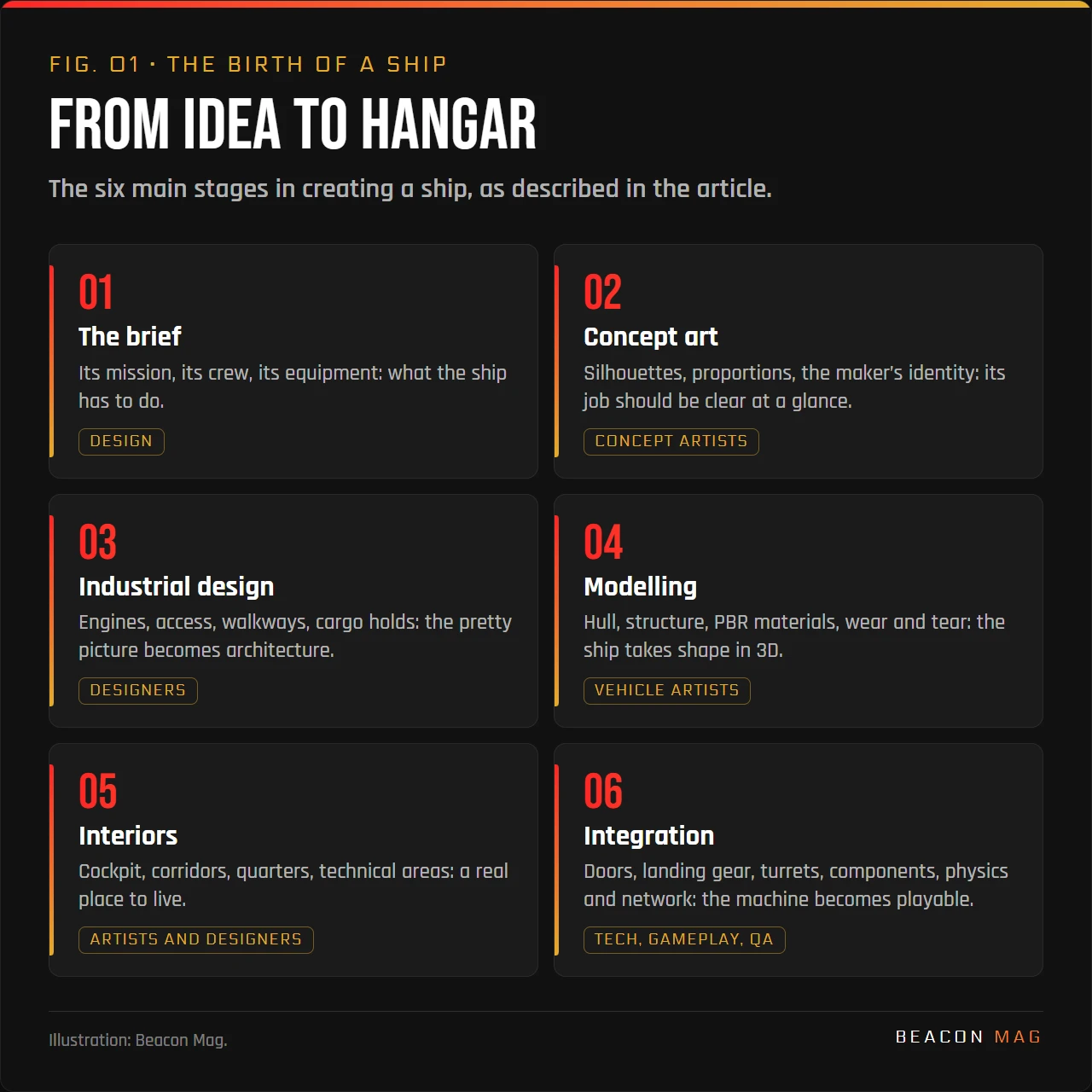
- A six-stage journey: brief, concept art, industrial design, modelling, interiors, integration.
- Manufacturers with a soul: RSI, Aegis, Anvil, Drake, Origin, Crusader, MISC and the Banu each have their own codes.
- A machine made of systems: components, power, physics, signatures, damage, crew… everything has to work together.
- A personal favourite: the Banu Merchantman, a flying bazaar still at the concept stage.
More than ships: a design philosophy
In many video games, a vehicle is first and foremost a tool: it lets you move faster, fight, haul goods or explore differently. Its looks contribute to the game’s identity, but its design usually comes second to its gameplay role.
Cloud Imperium Games takes a different approach. A ship must of course serve a gameplay purpose, but it also has to fit into a coherent universe. It belongs to an era, an industry, a civilisation and an economy. It has to feel as if it was imagined, built, sold and operated by a company with a history of its own.
Take a cargo hauler. Adding a big hold and a few engines is not enough to make it believable. You have to think about how goods are loaded, secured, stored and unloaded, and imagine the equipment needed, the crew access, the control stations and the operating constraints. The ship has to tell you its job before the player even looks at its spec sheet.
The same logic applies to a military fighter, an exploration vessel or a salvage ship. Some put toughness first, others speed, range, cargo capacity or comfort, and their architecture has to reflect those choices. An interceptor does not have the volumes of an interstellar freighter; a multi-crew ship needs a suitable interior layout; a civilian craft has no reason to borrow the codes of a military machine.
Every decision shapes the vehicle’s personality. And that is probably one of CIG’s greatest artistic achievements: making these machines feel as if they were born not in modelling software, but in the design offices of a future where humanity really built a space industry.
The birth of a Star Citizen ship
To understand the work involved, let’s imagine we are watching a new ship being born in Cloud Imperium Games’ studios. It all starts long before the first piece of virtual metal.
Stage 1: an idea, a brief
The first question is not whether the ship will look good, but what it has to do. What will its mission be? Which pilots is it for? Will it be civilian, military, industrial or commercial? How many people will it take to run it? What equipment needs to be accessible on board?
The brief sets the functional and gameplay constraints. It gives the art and tech teams a direction and lays out the broad strokes of the future ship’s identity. References can then be gathered: aviation, industrial architecture, warships, specialised vehicles, everyday objects or science fiction. The goal is not to copy an existing machine, but to understand why some shapes work and how to adapt them to a space setting.
Stage 2: concept art, giving the machine an identity
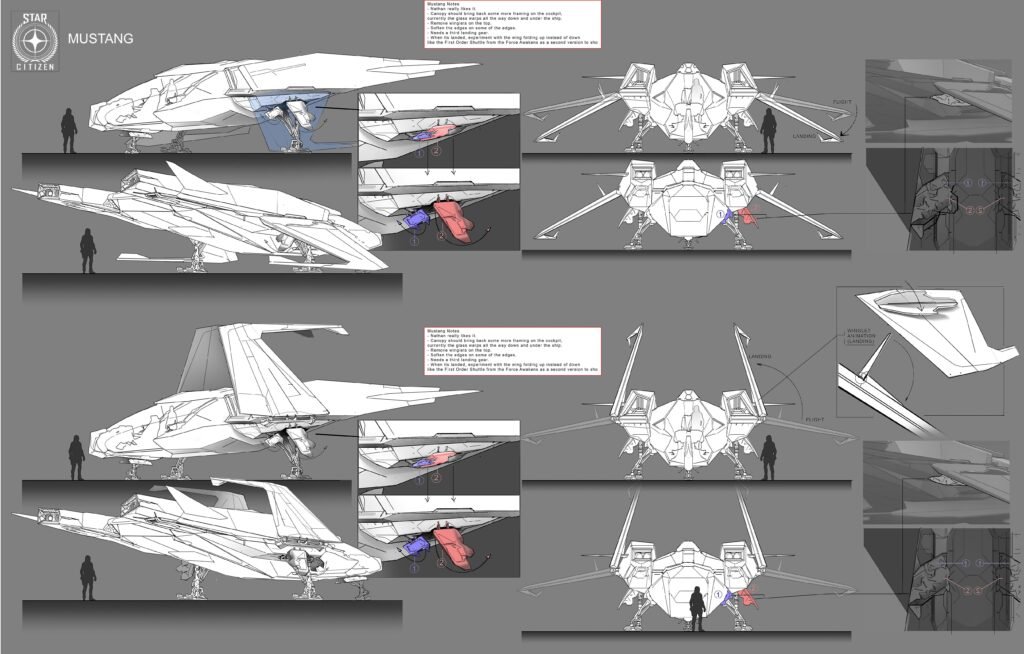
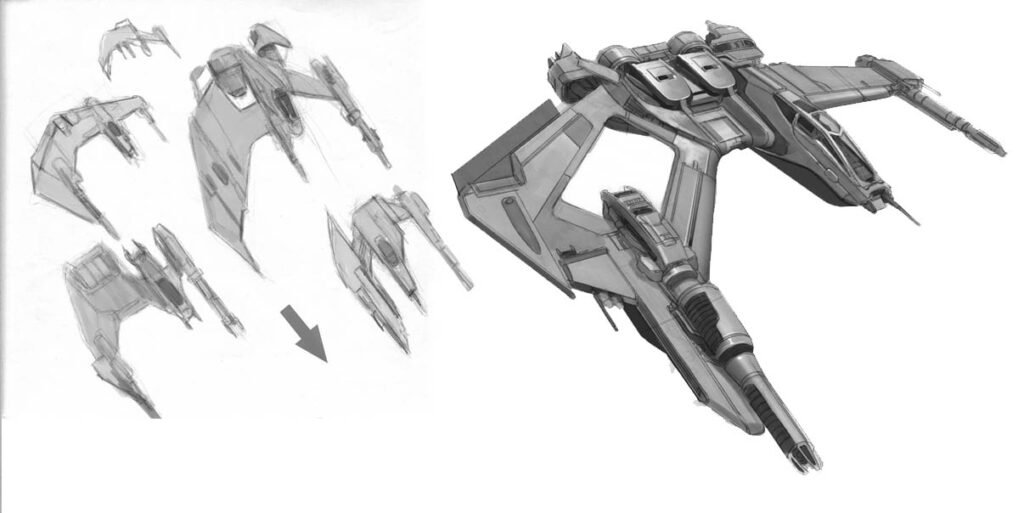
This is where the project starts to take visual shape. Concept artists explore several directions: they draw silhouettes, try out proportions and volumes, and look for an identity that fits the chosen manufacturer. An engine might move, the cockpit might jut forward or blend into the structure, the wings might disappear in favour of a completely different architecture.
The challenge is to balance originality, readability and function. A good concept makes the vehicle’s nature obvious at once: even without knowing its name, a player should be able to tell whether they are looking at a fighter, a hauler or an explorer. This is where much of its personality is born.
Stage 3: industrial design, thinking before building
Once the art direction is set, designers turn an attractive silhouette into a working architecture. Where do the engines go? How are the masses arranged? How does the crew reach the cockpit? Where are the technical areas? How do goods move around the ship?
A seemingly trivial detail can trigger a cascade of changes: a badly placed staircase makes a room hard to reach, a hold too far from the airlock makes moving around awkward, an external part gets in the way of the landing gear. Step by step, the drawing meets real use, and the ship stops being a picture to become a genuine piece of design.
Stage 4: modelling, giving the project a body
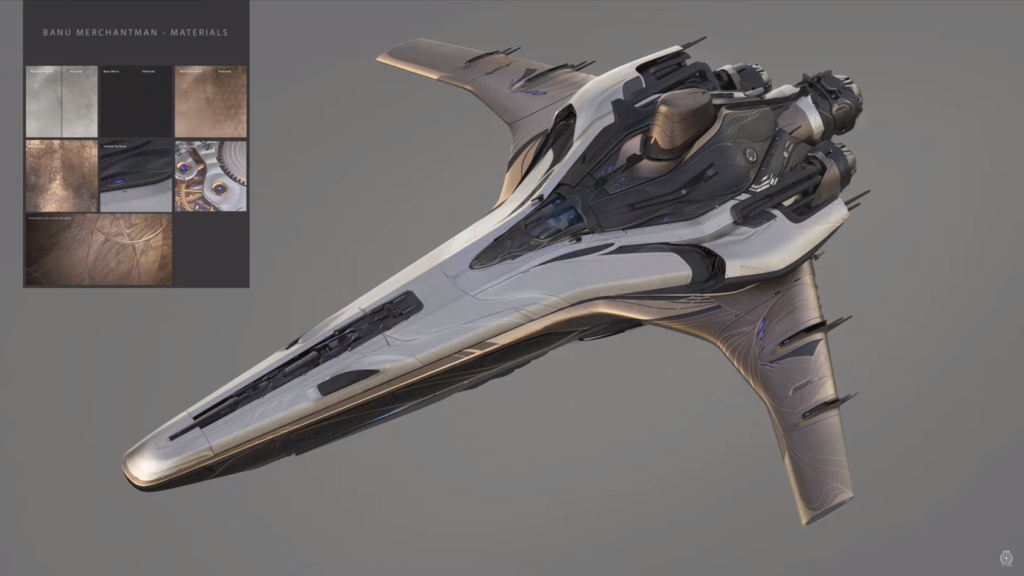
Vehicle Artists then take over to turn the concepts into usable 3D geometry. The outer hull is a big part of the job, but far from all of it: they have to build the structural elements, define the materials, work the surfaces and add a host of details.
Textures set apart painted metal, alloys, composites, glazing, technical parts and heat shielding. Artists add the wear and surface variations that give a sense of real material: a brand-new ship does not tell the same story as one with years of service behind it. Realism is not only about polygon counts or reflections, but about the consistency between materials, shapes and the supposed function of each part.
Stage 5: interiors, building a real living space
This is probably the most fascinating stage. In Star Citizen, interiors make up a huge part of a ship’s identity. The cockpit must present information clearly and lay out the controls logically. Crew quarters should let you picture daily life on board, and technical areas should make maintenance believable. Then there are the corridors, stairs, airlocks, holds and lifts: a large ship can span several decks, separate workstations and areas that have nothing to do with flying.
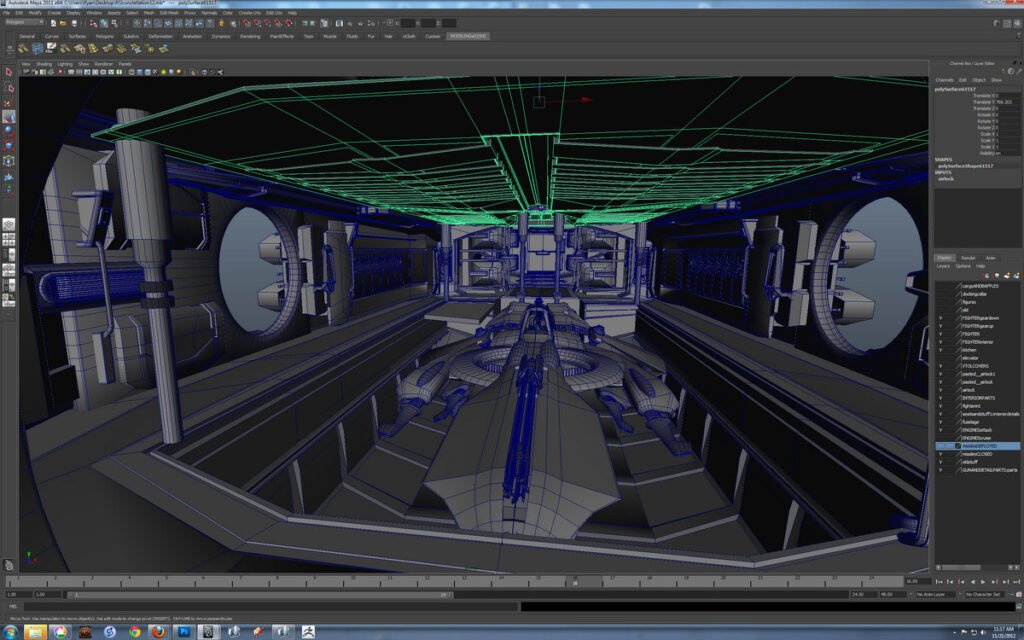
The question becomes almost architectural: how do you organise an enclosed space so that it is pleasant to walk through, easy to understand and practical? You sometimes catch yourself thinking that a corridor just a few metres long probably took more meetings than an entire level in some games.
Stage 6: integration, turning the object into a playable machine
The work is not finished when the ship looks complete. The systems, animations, interactions, components and physics still have to be integrated. The landing gear has to work, the doors open, the lifts carry players, the turrets respond, the holds support the planned operations. And the machine has to work in multiplayer: flown, operated, damaged and used by several people in the same game space.
In its early presentation of the ship pipeline, Cloud Imperium Games already explained how splitting ships up technically let teams work in parallel on the art, the destructible parts and the systems. A Star Citizen ship is therefore the product of a collective effort that spans many disciplines, from the first sketch to the final tests.
When every manufacturer has a soul
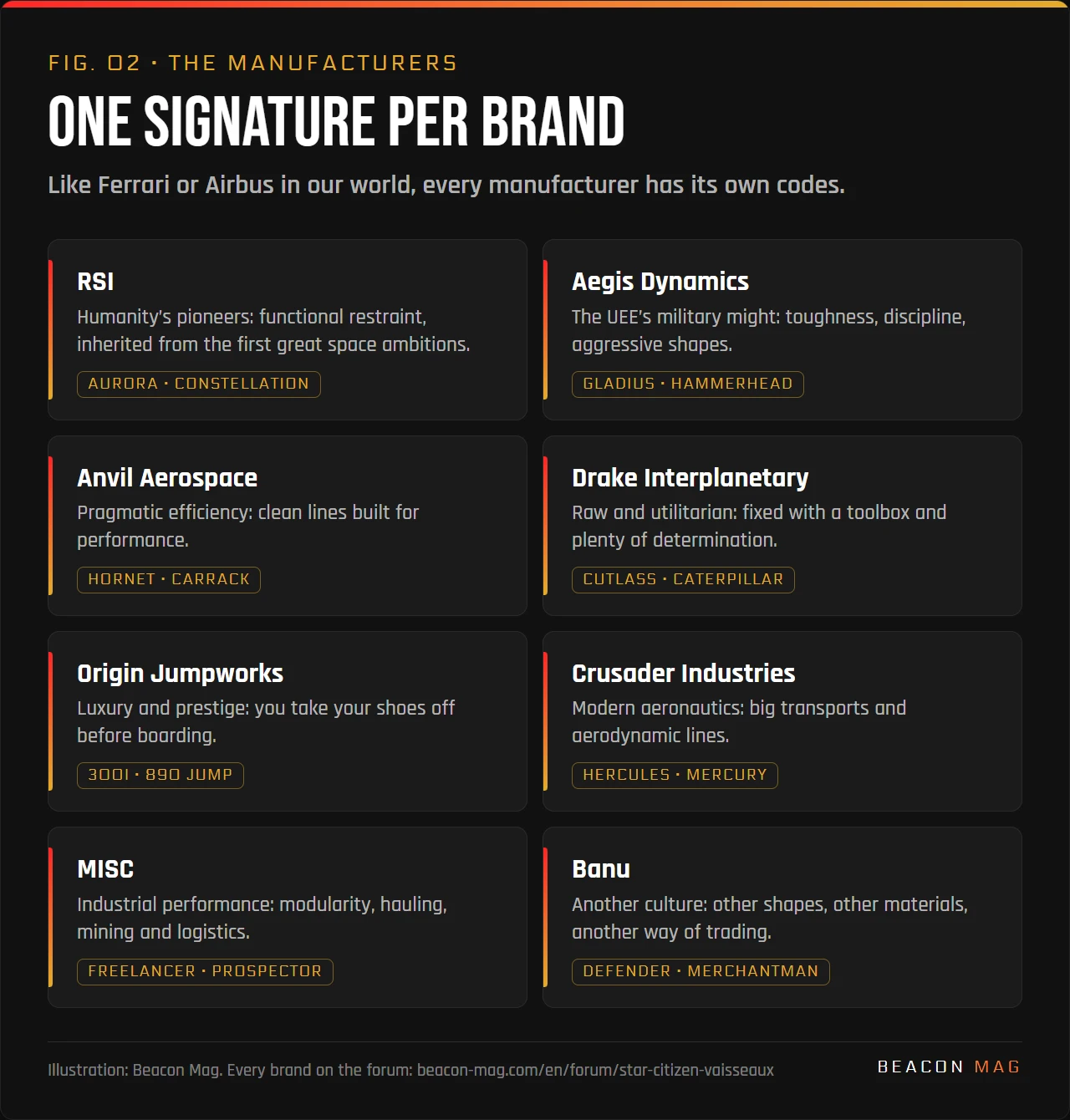
One of Star Citizen’s great strengths is the variety of its manufacturers. In our world, a silhouette is sometimes enough to recognise a Ferrari, a Porsche or a BMW; in aviation, certain lines instantly say Airbus or Lockheed Martin. CIG applies a similar logic to its universe: every manufacturer has its own aesthetic codes, priorities and industrial philosophy.
RSI: humanity’s pioneers
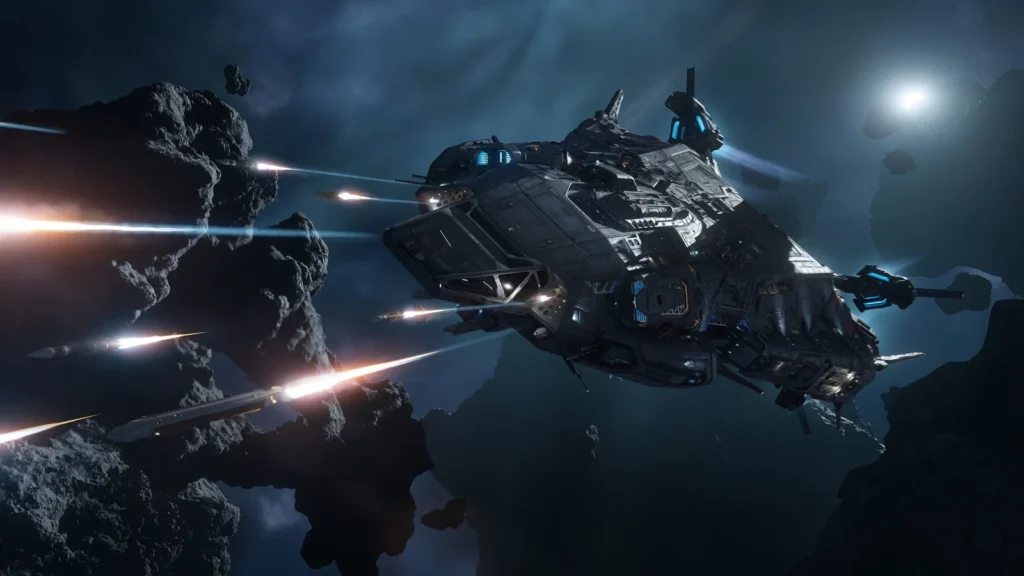
Roberts Space Industries embodies the legacy of humanity’s first great space ambitions. Its ships evoke a historic industry built around exploration, expansion and technological mastery. Their lines have a functional restraint, that of a company that helped lay the foundations of human civilisation in space.
Aegis Dynamics: military might
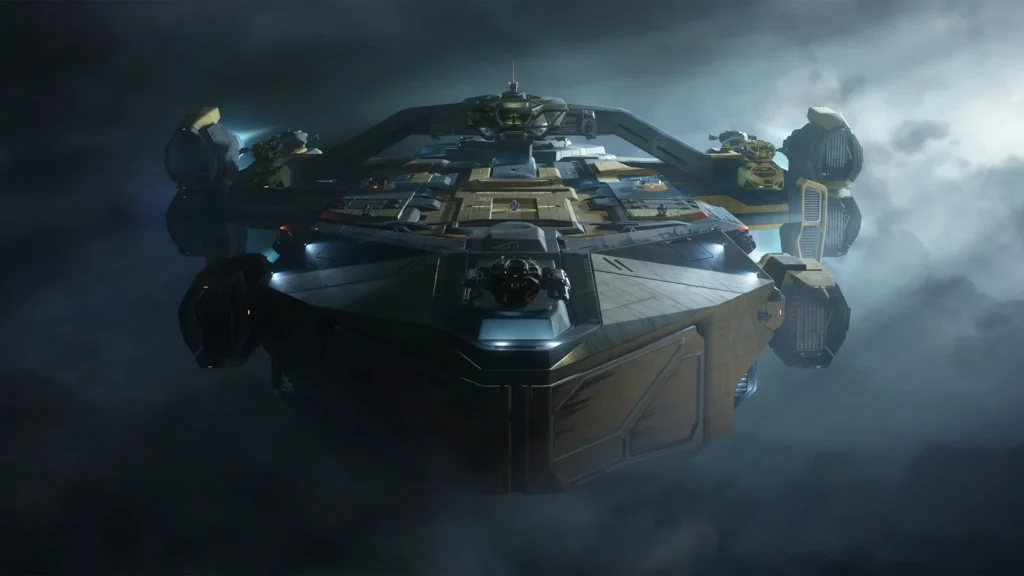
Aegis carries an identity deeply shaped by the UEE’s military history. Its ships evoke toughness, power and industrial discipline, with more aggressive shapes and an architecture geared towards operational efficiency. You can easily picture them in a military hangar, serviced by specialist crews before their next mission.
Anvil Aerospace: pragmatic efficiency
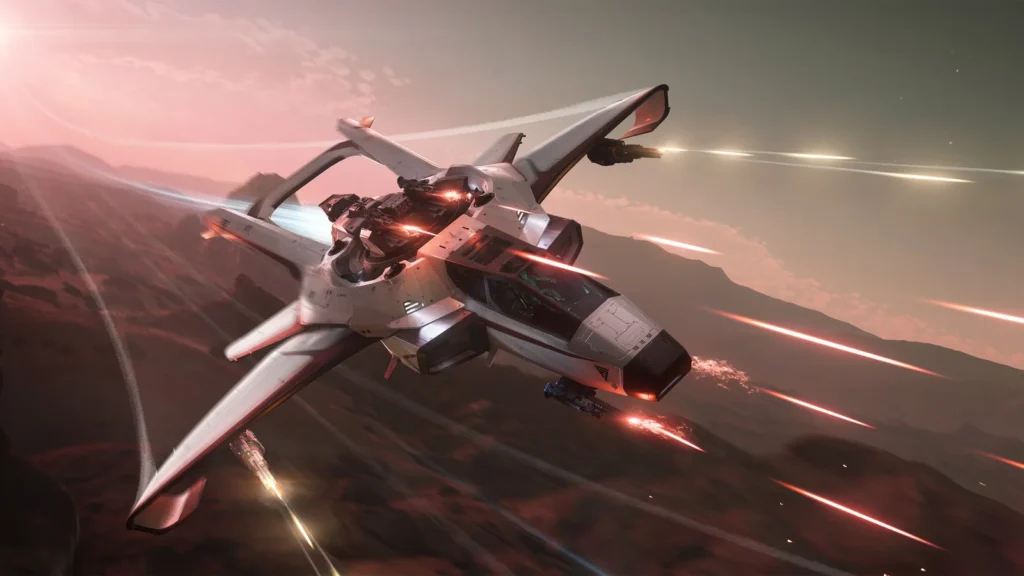
Anvil takes a more direct approach to military aviation. Its ships recall modern fighter jets adapted to space: clean, functional lines geared towards performance. The Anvil Hornet is a perfect example.
Drake Interplanetary: raw and utilitarian
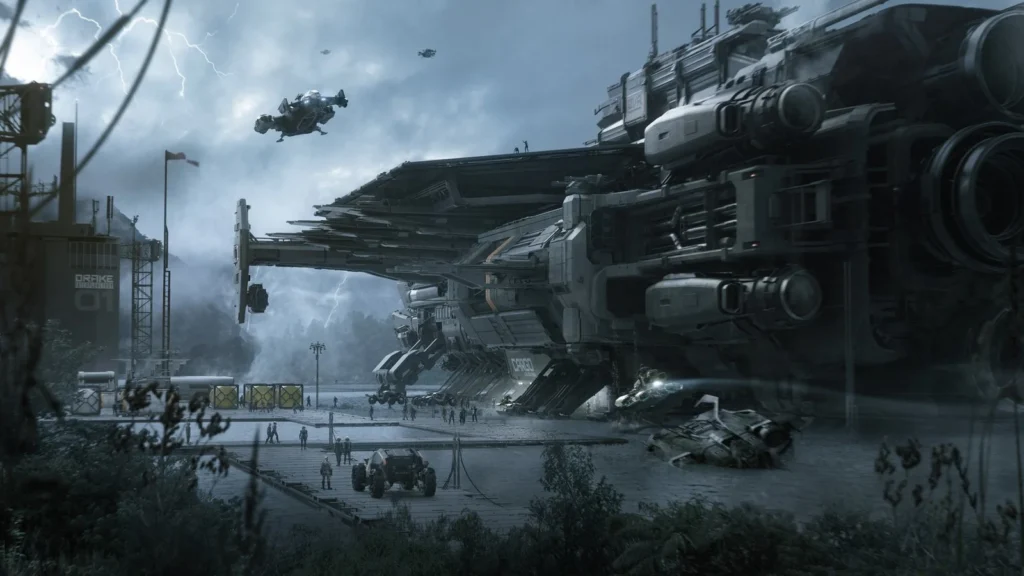
Drake is a different philosophy altogether. There is no pretending to build a space yacht here: the ships put usefulness and carrying capacity first, with a design that sometimes looks cobbled together from whatever was at hand. The result has an instantly recognisable personality, and there is something delightful about this unapologetic industrial look: you almost feel some of these ships could be fixed with a toolbox, a few salvaged parts and a lot of determination.
Origin Jumpworks: luxury and prestige
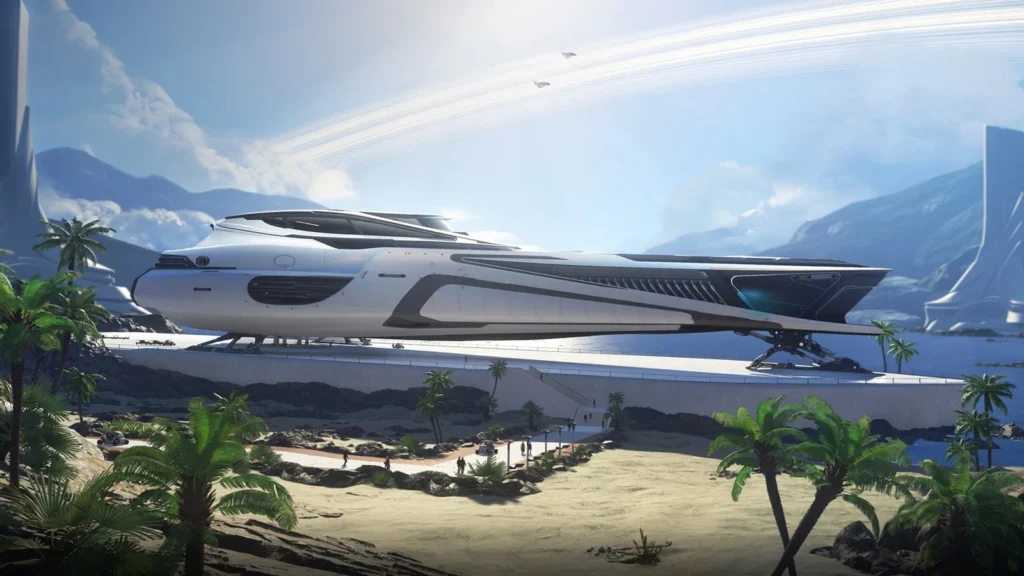
Origin plays in another league. The lines are elegant, the surfaces refined, the proportions carefully studied: the ships evoke prestige cars and private jets more than industrial transport. This is the world of plush interiors, fine finishes and comfort. If Drake looks like a work van you are not afraid to get dirty, Origin makes you want to take your shoes off before boarding.
Crusader Industries: modern aviation as inspiration
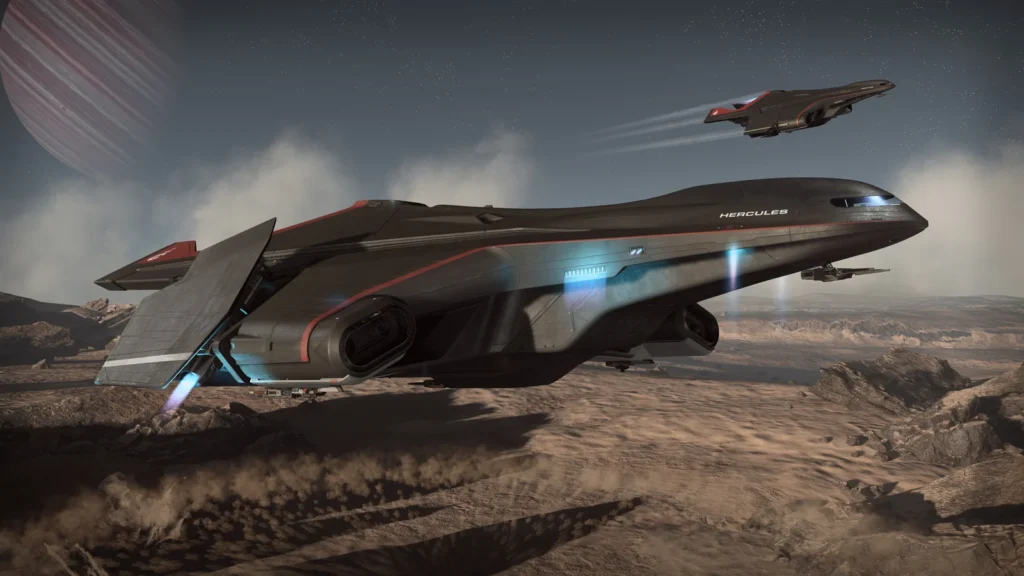
Crusader borrows the codes of modern aviation: aerodynamic lines, balanced volumes and an architecture built around transport or performance. Its ships feel as if they were designed by a company that specialises in large commercial aircraft.
MISC: industrial performance
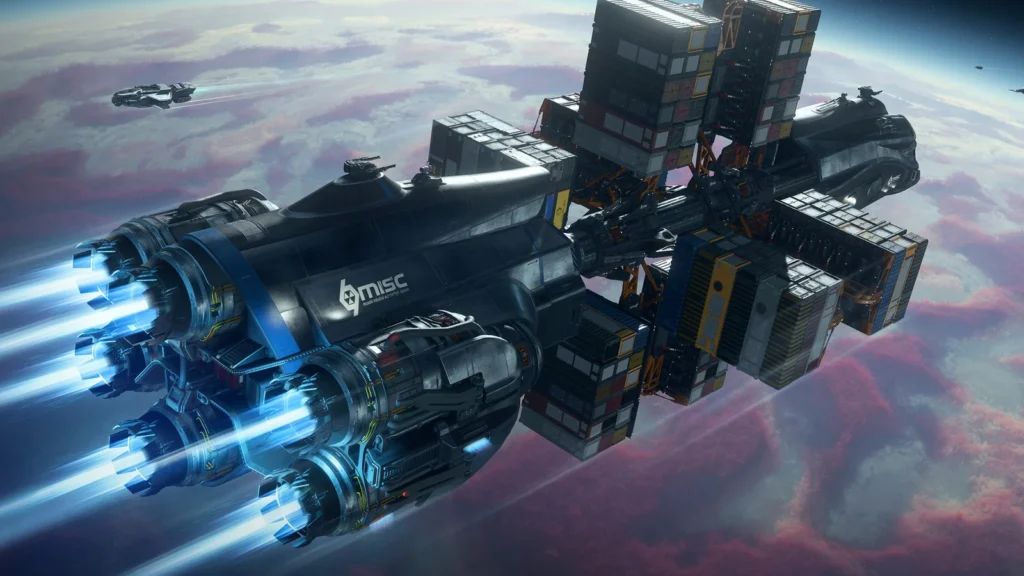
MISC stands for a more industrial vision of shipbuilding. Its ships focus on modularity, efficiency and the needs of professionals: hauling, mining and logistics are all fields where this philosophy makes perfect sense.
The Banu: another way of thinking about space

With the Banu, CIG changes register completely. Their ships must not look like human vessels with a few alien decorations added: they have to express another culture, another relationship with technology, trade and travel. Shapes, materials and the organisation of space all contribute to that identity.
That is what makes the manufacturers so interesting: you recognise a ship not only by its silhouette, but by the industrial culture it seems to represent. As with Ferrari or Airbus, these signatures go beyond individual products, and that consistency makes the whole universe more believable. There are many other brands: to discover them all, head to the Ships section of our forum, which covers more than 250 ships sorted by manufacturer.
Extraordinary technical complexity
It is when you look under the hull that the scale of the work becomes truly impressive. A ship is not just an animated structure in a 3D set: it is a collection of interdependent systems that have to work together, sometimes under very tough conditions.
Components: the heart of the machine
Power plants, coolers, shields, radars and quantum drives make up part of the technical architecture, and each component has its own role and characteristics. The power plant feeds the equipment; coolers keep temperatures within acceptable limits; shields protect the structure; radars detect and identify signatures. These are not just icons in a menu: they are physical pieces of equipment built into the ship’s architecture. The official guide to engineering gameplay describes this approach, in which every component has its own operating state, temperature and health.
Power management
Power is one of a ship’s fundamental balancing acts: you have to feed the systems while keeping their consumption and the heat they generate under control. A machine pushed to the limit does not behave like one running normally, and how you distribute power affects performance and the availability of equipment.
Physics: a matter of mass and inertia
A small fighter and a huge freighter obviously cannot behave the same way. Mass, inertia and the forces applied shape how quickly a ship can accelerate, turn and manoeuvre, depending on the environment it is flying in. The aim is not just to give an impression of movement, but to build a consistent link between the ship’s characteristics and its behaviour.
Signatures: existing without necessarily being seen
In space, detecting a ship is not just a matter of looking at it. Electromagnetic, thermal and radar signatures determine how a ship can be spotted, depending on its power draw, the heat it gives off and the properties of its hull. Stealth then becomes a trade-off between performance, equipment and discretion.
Combat, cargo and crew
In combat, weapons, targeting, shields and countermeasures have to work together: a fight is not just about draining a health bar above an opponent. Hauling goods brings other constraints: organising storage, allowing loading and unloading, and accounting for container sizes and handling equipment.
On large ships, finally, the pilot is just one crew member among others. Some manage systems, others the turrets, navigation or technical operations. The ship becomes a space for cooperation, whose architecture must let everyone find their place, move around and use the equipment tied to their role.
Damage: when the machine suffers
This is probably one of the most interesting parts of the whole architecture. In the engineering systems CIG has presented, components can be damaged individually: a hit installation can lose efficiency or stop working altogether. A failing power plant, a destroyed cooler or a disabled defence system are not cosmetic changes: they alter what the ship can do. This logic requires a huge number of interactions between physics, components, damage, networking, interfaces and gameplay.
It would be risky to claim that a single ship needs more code than a complete indie game: CIG publishes no metric that would allow a serious comparison. But one thing is certain: a Star Citizen ship goes well beyond what anyone expects from a simple video game vehicle.
When video games meet real-world industry
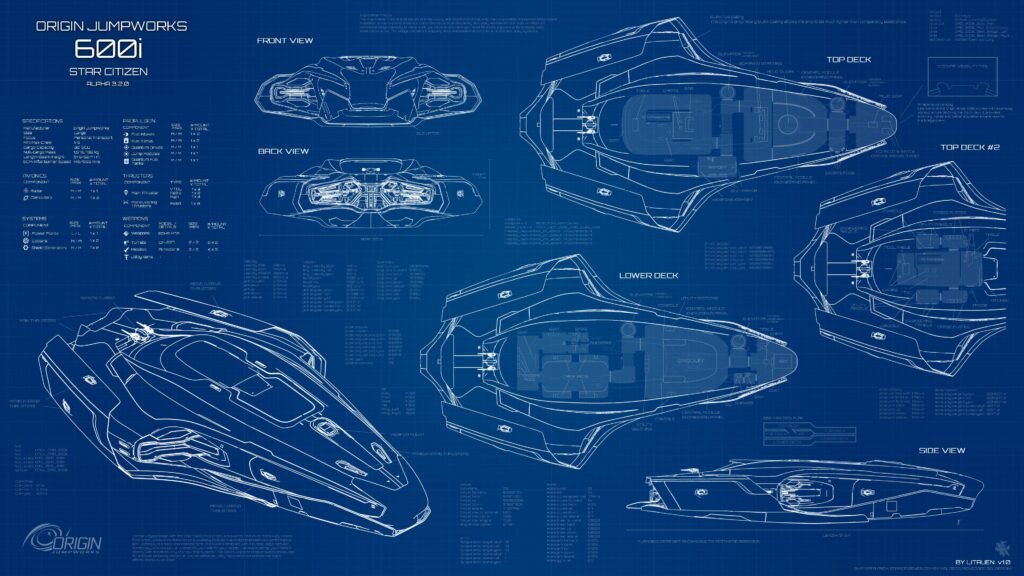
At what point does a game developer’s work start to look like an engineer’s? The line is sometimes surprisingly thin.
When a carmaker designs a new model, it thinks about ergonomics, equipment layout, access to the mechanics and the occupants’ experience. The same concerns appear, in another form, in Star Citizen’s ships: the cockpit must give access to key information, walkways must be easy to read, and equipment must fit in without disrupting the whole. Aviation offers other reference points, with the management of volumes, workstation layout, maintenance and equipment distribution. So does shipbuilding: on a large vessel you have to organise several decks, holds, technical rooms, living areas and suitable walkways. A ship like the Carrack or the Reclaimer feels more like a specialised vessel at sea than a conventional vehicle.
Of course, game design must not be confused with certified engineering: Star Citizen’s ships are not subject to the safety, regulatory or validation constraints of real aircraft. But the ways of thinking are similar. That is what makes CIG’s work unique: applying to a fictional object a design logic thorough enough that players can believe it exists. And sometimes, standing in a huge hangar full of machines, you almost forget that it all only exists inside a game engine.
The craftspeople behind the ships
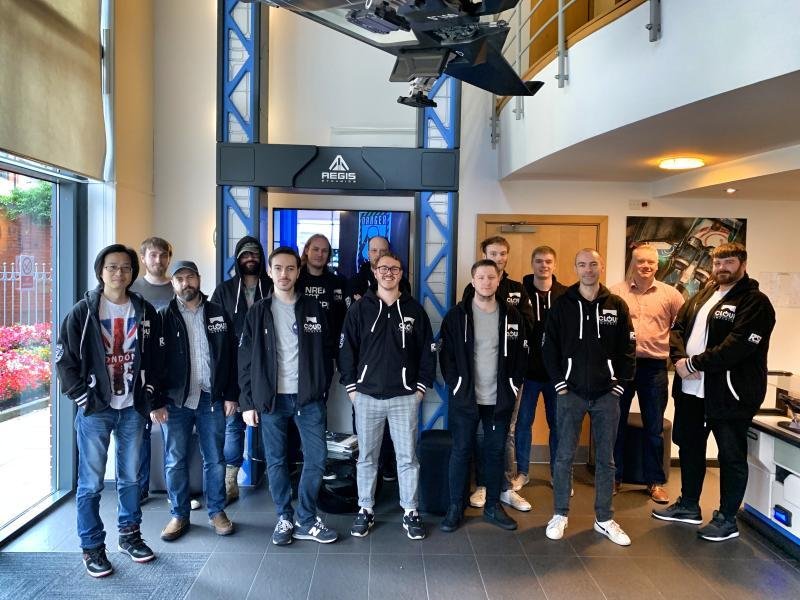
It would be easy to boil this success down to great graphics or powerful tools. That would miss the point: behind every ship, many different trades have to come together.
- Concept artists come up with the first ideas.
- Designers define the functions and constraints.
- Vehicle Artists turn concepts into usable 3D models.
- Material artists work on surfaces and textures.
- Animators bring doors, landing gear, turrets and mechanisms to life.
- Programmers and technical artists integrate everything into the engine.
- Sound designers build the ship’s sonic identity: engine rumble, ventilation, alarms, interior ambience.
- Gameplay and network teams design what players can do and make it all work in multiplayer.
- QA testers hunt down interaction and behaviour bugs.
Cloud Imperium Games’ job listings show this well. For the Vehicle Artist role, the studio describes collaboration between artists, designers and technical artists, and asks for skills in industrial design, modelling, PBR materials and preparing animated parts. That detail matters: CIG is not just looking for artists who can produce beautiful images, but for teams who can turn an idea into a working object inside an interactive universe.
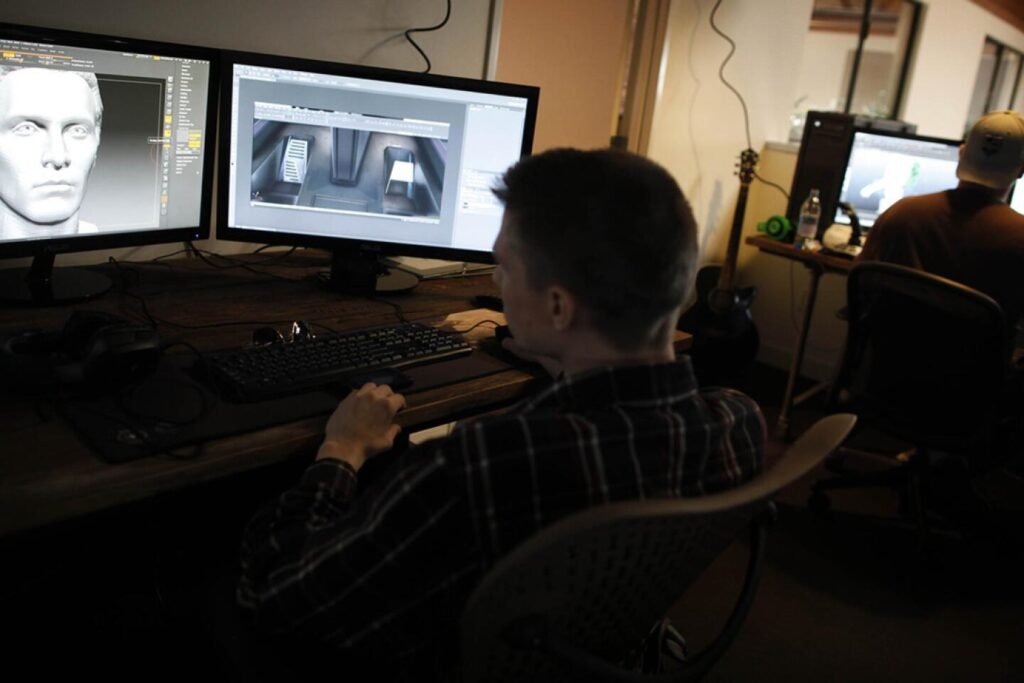
You have to think like an artist, understand a designer’s constraints and talk to an engineer. Creativity has to live alongside technical rigour: sometimes a visually successful part has to change because it doesn’t work, or part of the architecture has to be reworked because a system must stay accessible. These trade-offs, invisible to players, make all the difference between a pretty model and a genuinely playable vehicle.
CIG’s vehicle teams therefore deserve recognition that goes beyond admiring how their work looks. Their job is to build complex, coherent and interactive digital objects while keeping an artistic identity recognisable across an entire universe. That is a considerable responsibility.
The Banu Merchantman: when a ship becomes a vision
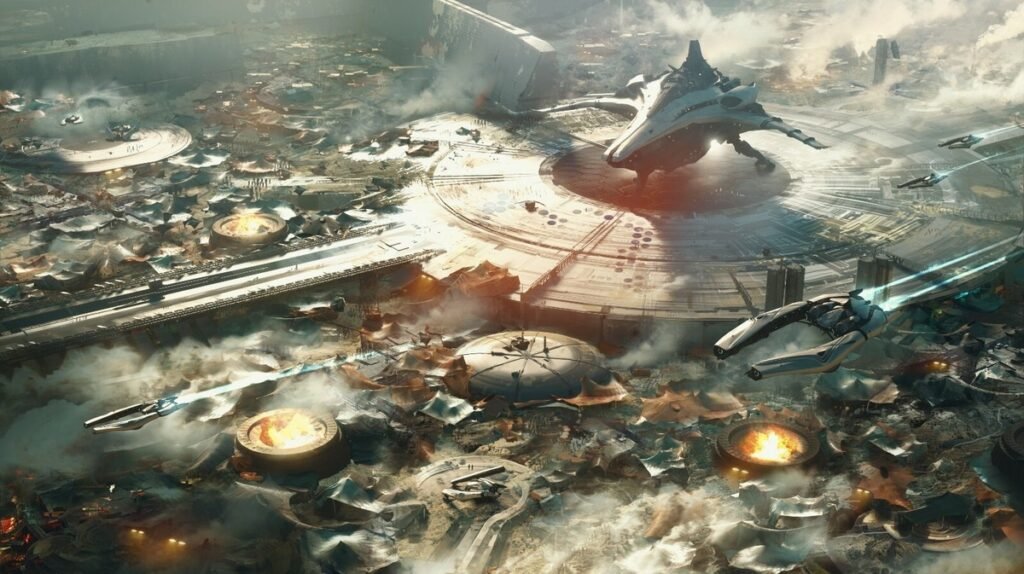
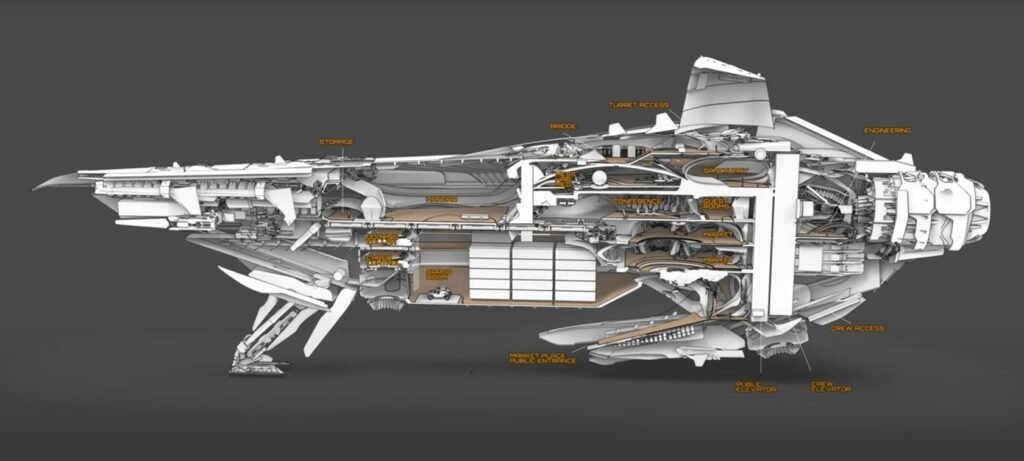
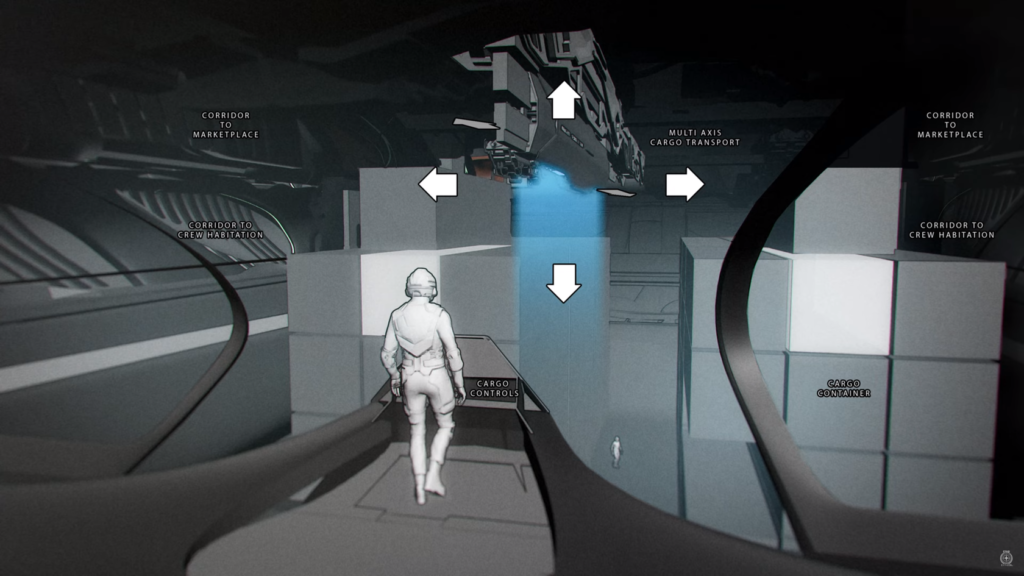
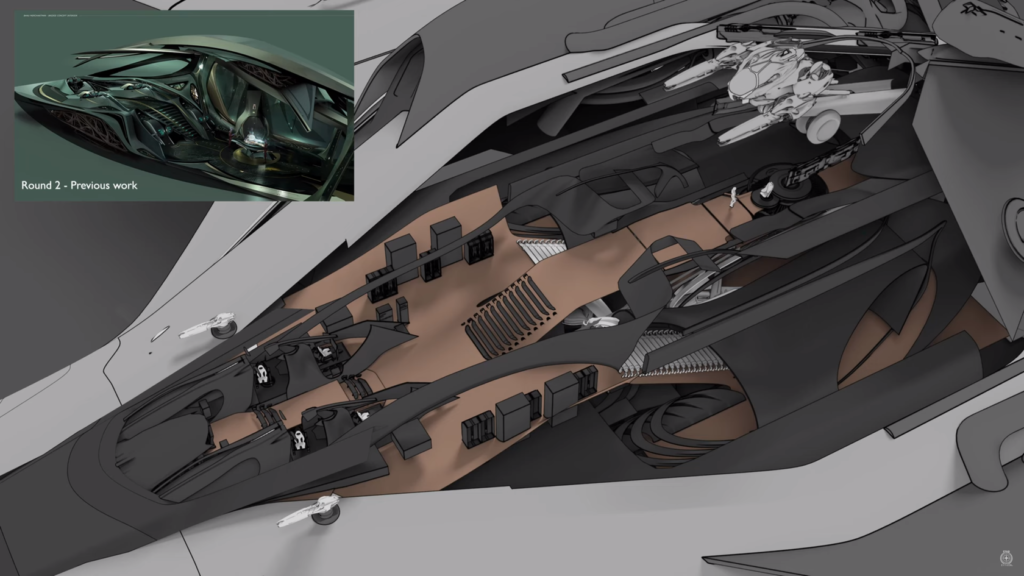
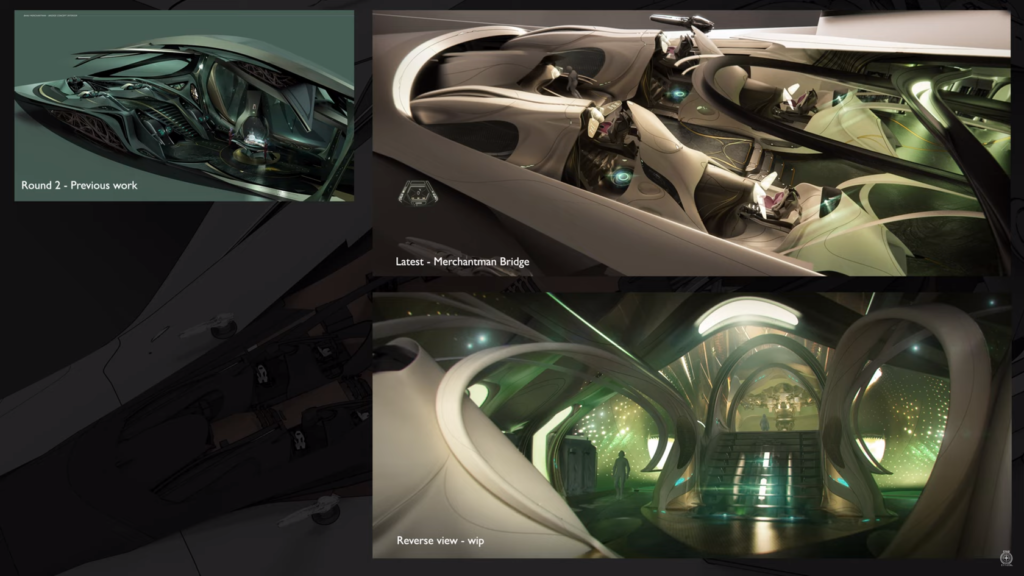
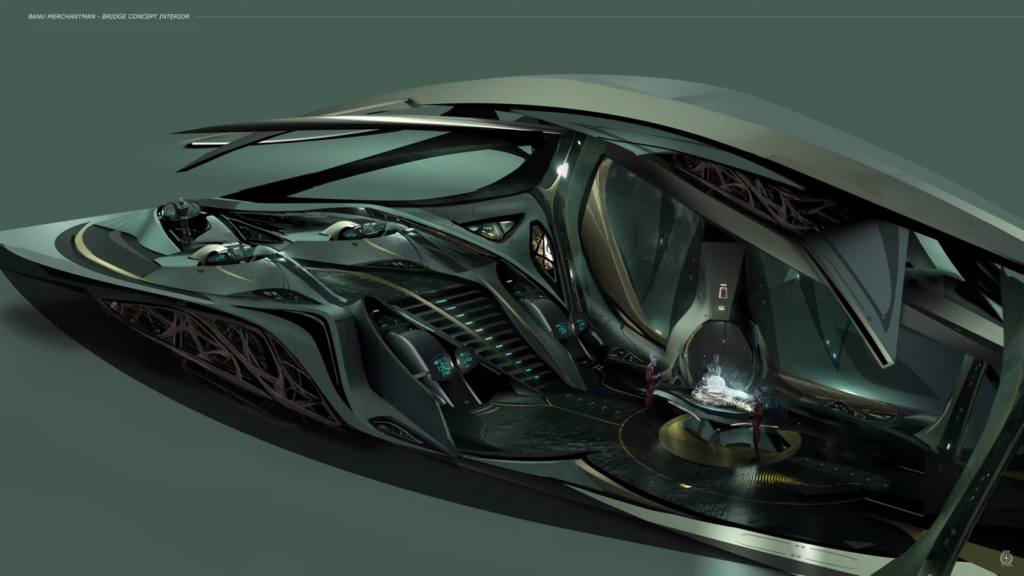
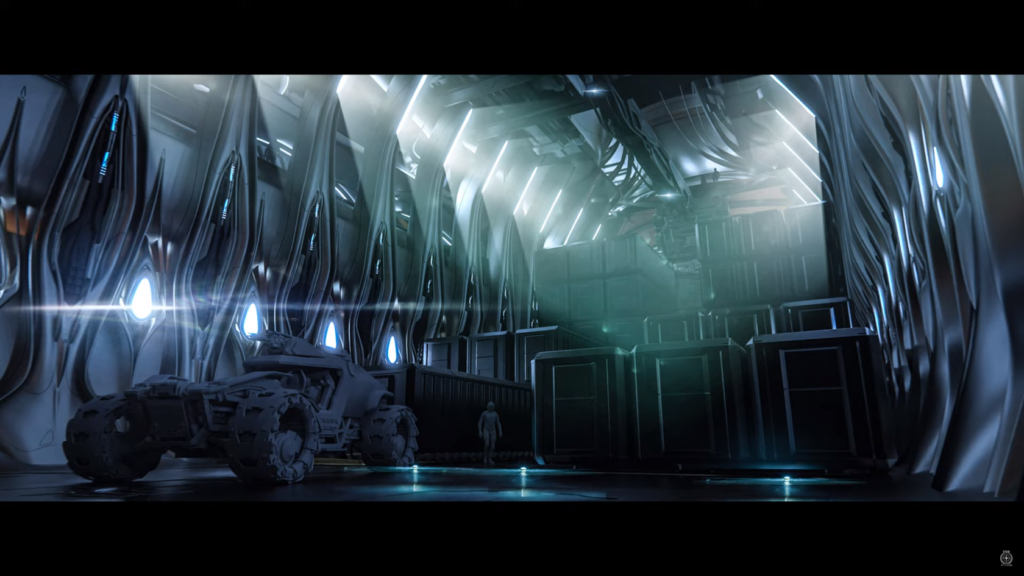
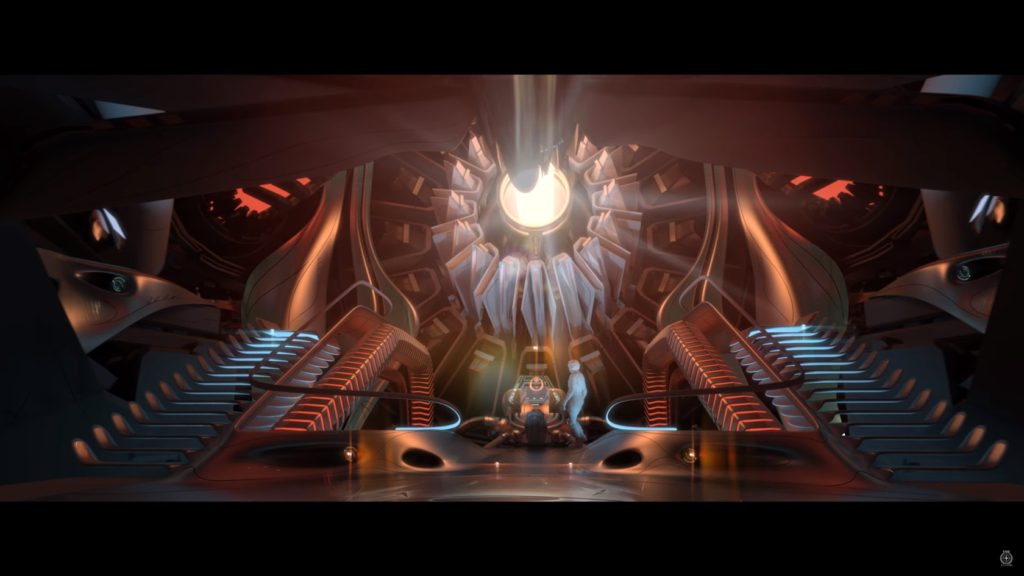
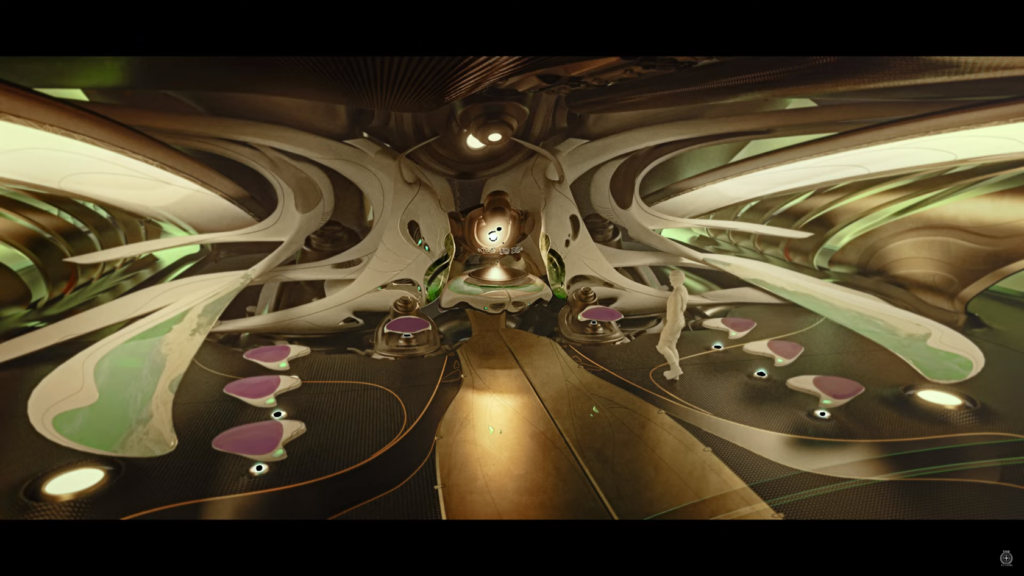
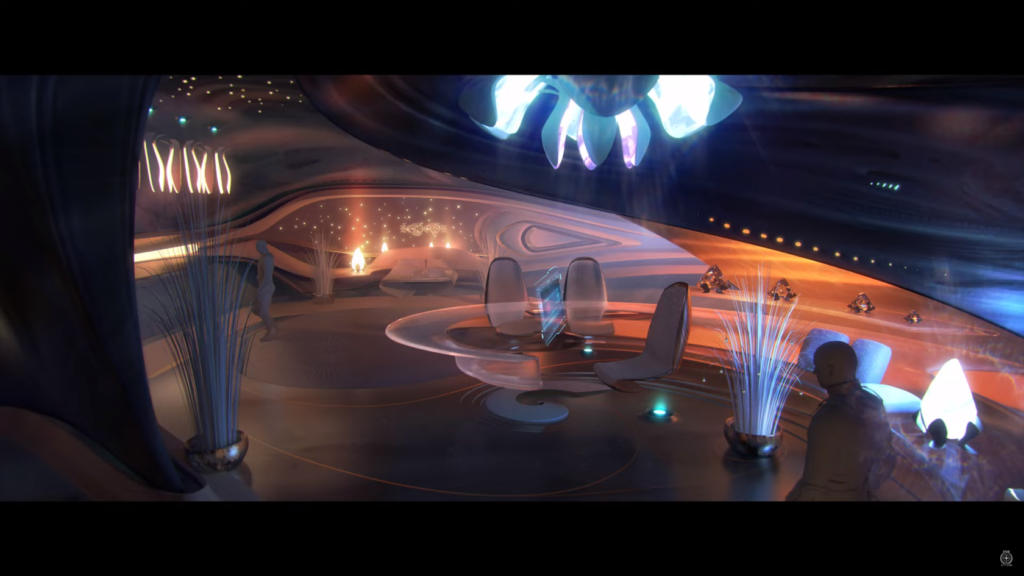
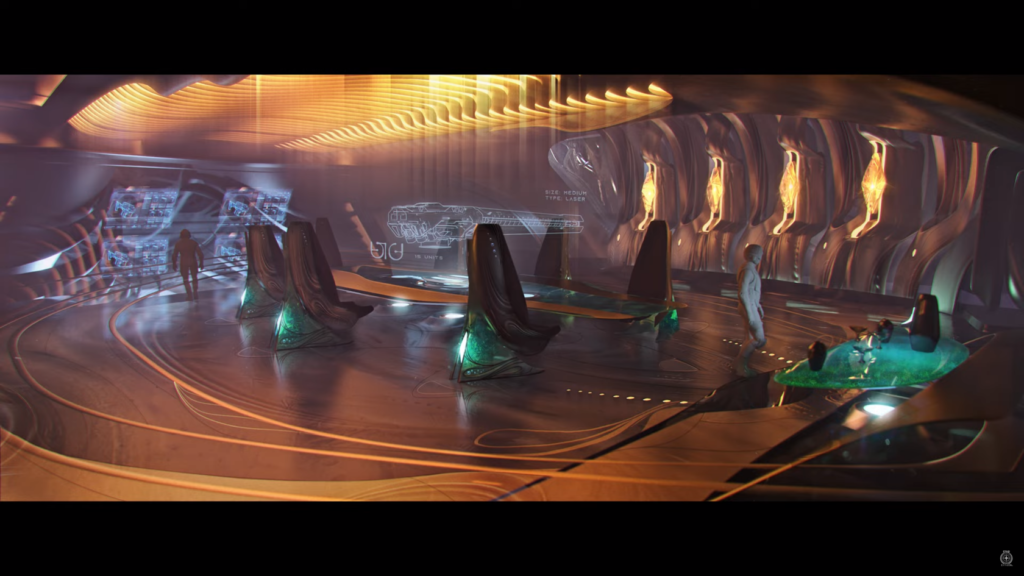
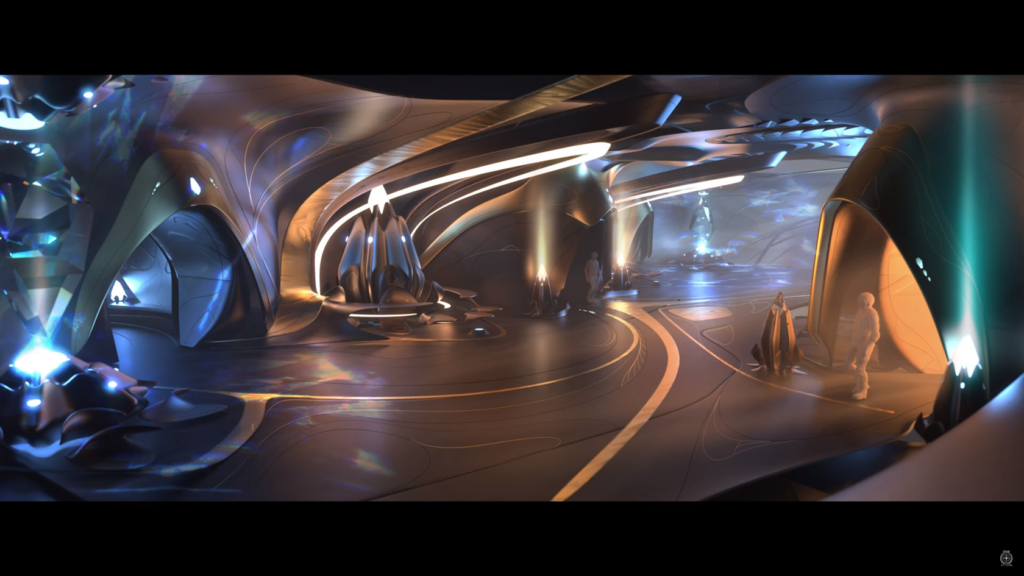
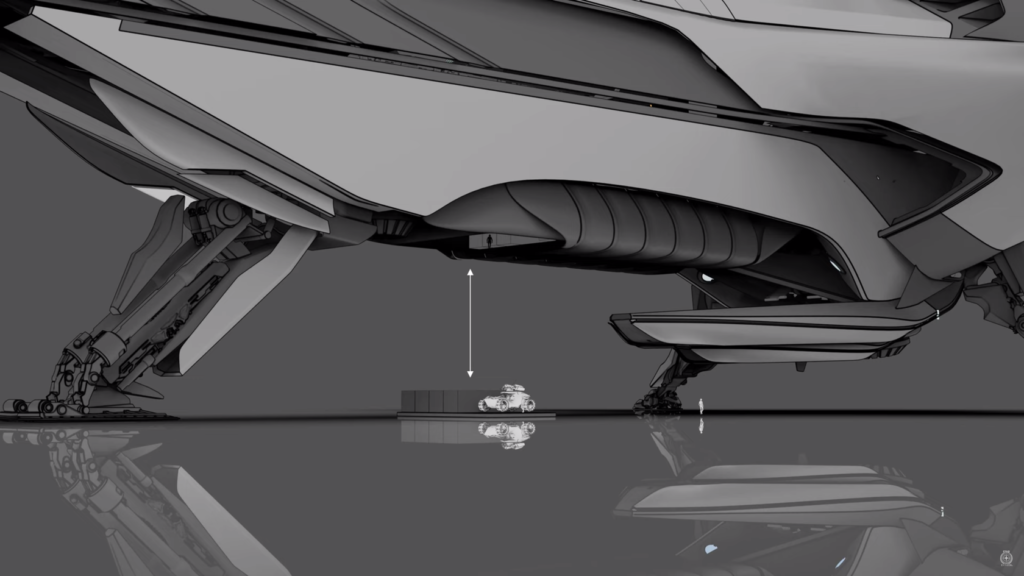
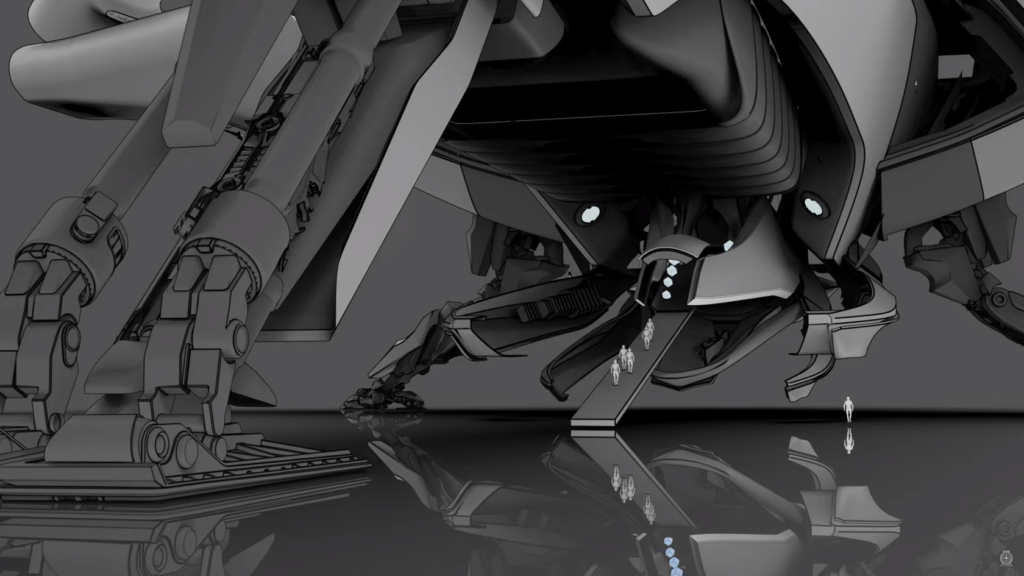
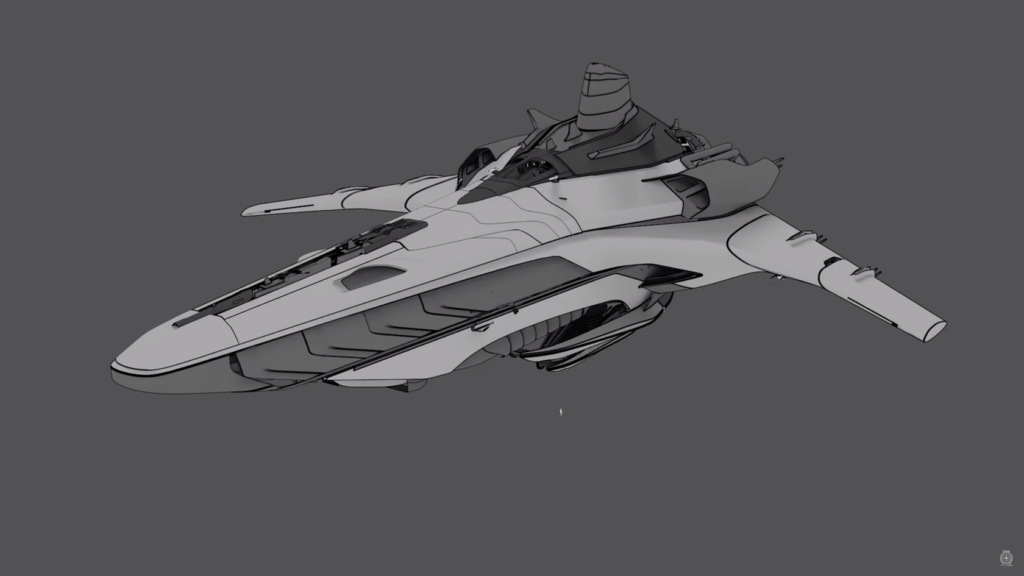
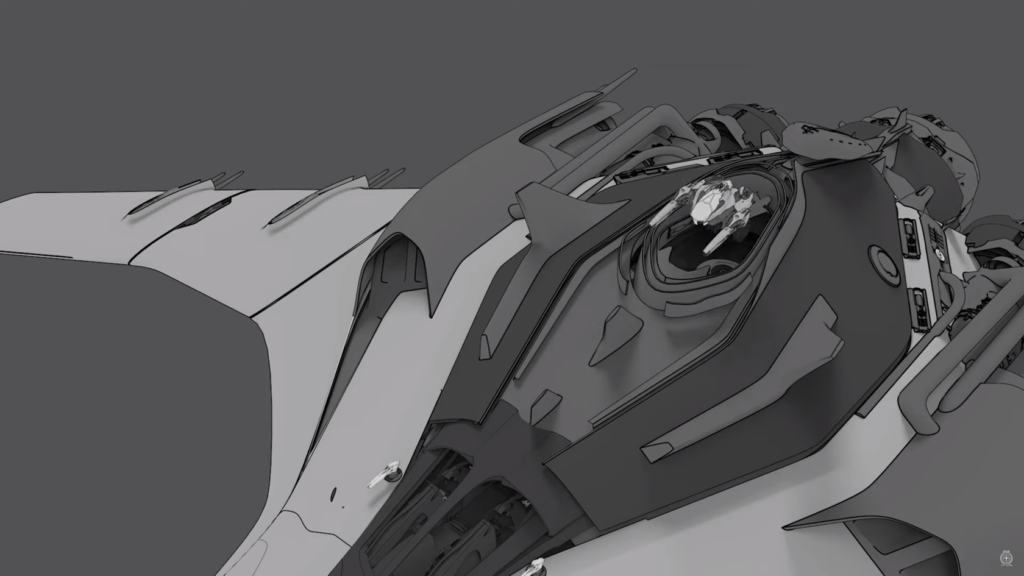
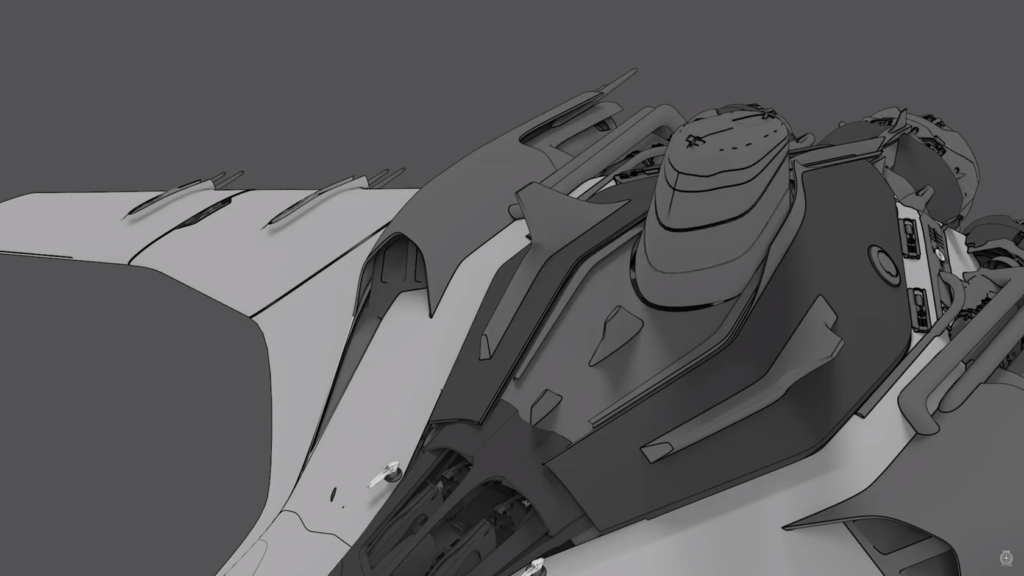
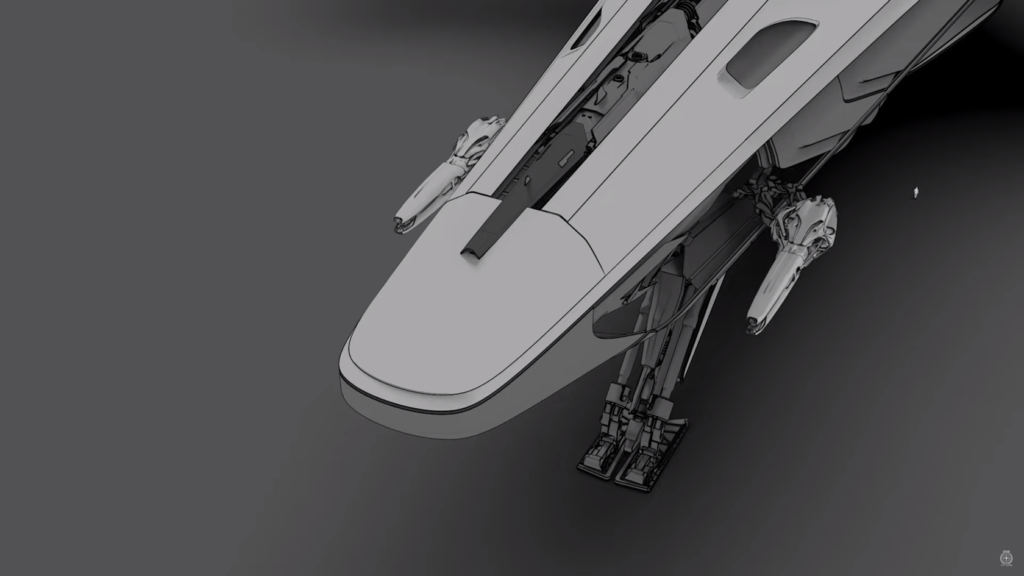
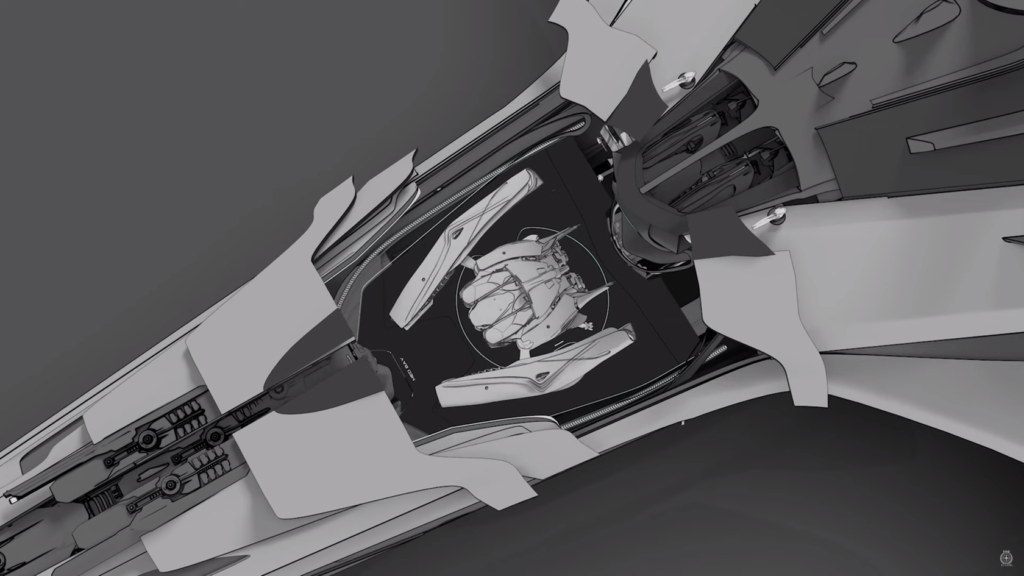
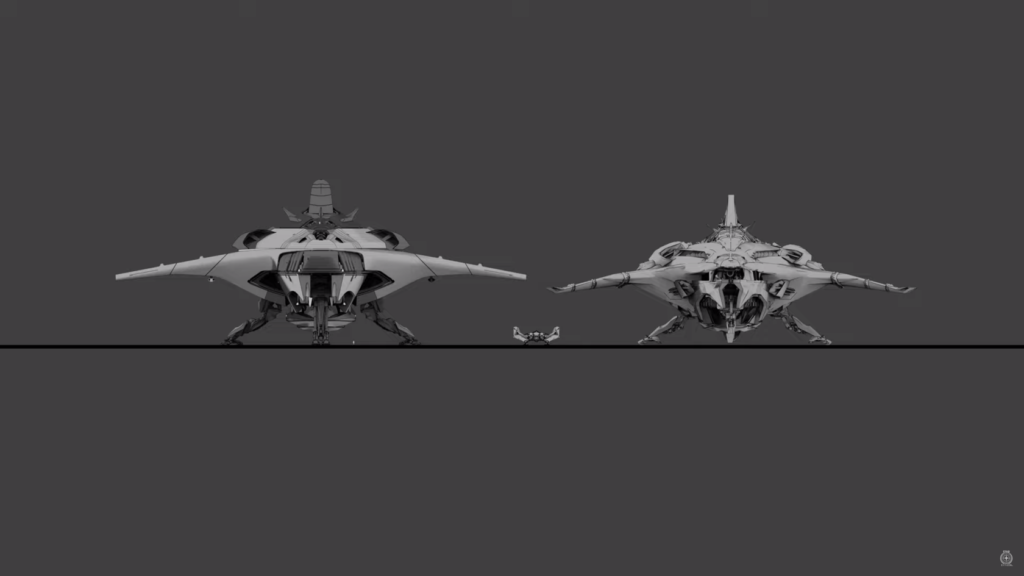
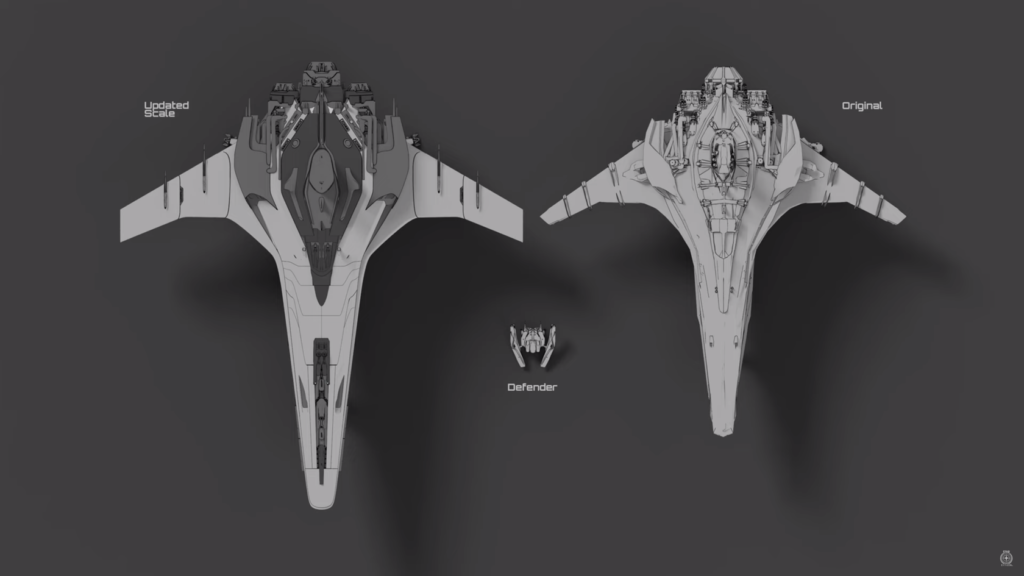
Some ships impress with their power, others with their elegance or their technical abilities. And then there are those that move us for a much more personal reason. The Banu Merchantman belongs to the latter.
It is my favourite ship in Star Citizen. And if I had to pick one creation to sum up Cloud Imperium Games’ artistic ambition, it would probably be this one. Why? Because the Merchantman does not look like just another hauler. It has an instantly recognisable identity, a cultural backstory and a purpose that goes far beyond freight.
A silhouette like no other
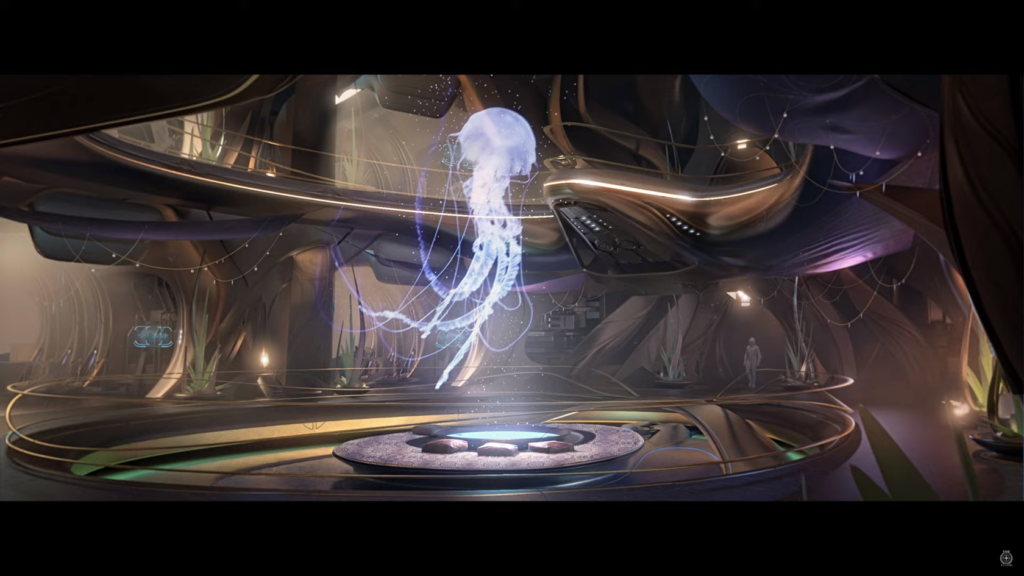
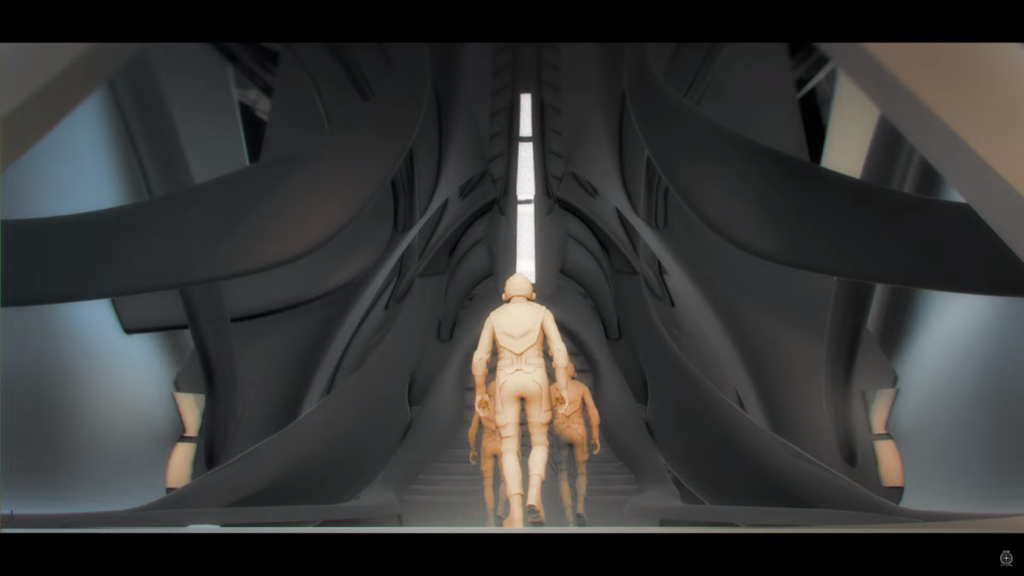
From the first glance, the Merchantman makes its personality felt. Its volumes, architecture and overall look move away from human industrial codes: it does not feel designed to meet the standards of an Earth company. It suggests a civilisation that has developed its own building traditions, its own customs and its own relationship with space.
That difference is essential. A convincing alien ship should not just look strange: it should feel like the natural product of a different culture. And the Merchantman has exactly that quality.
A unique cultural inspiration
In the official concept presentation published by RSI, titled “Clipper Ship”, CIG explained that the Merchantman drew in particular on the great 19th-century merchant ships that sailed from port to port selling their cargo to the people they met. The Merchantman brings that age-old trading logic into space: travelling, trading, meeting other peoples and moving goods around. So it is not just a futuristic freighter: its architecture is built around a trade and a way of life.
A market that travels between the stars
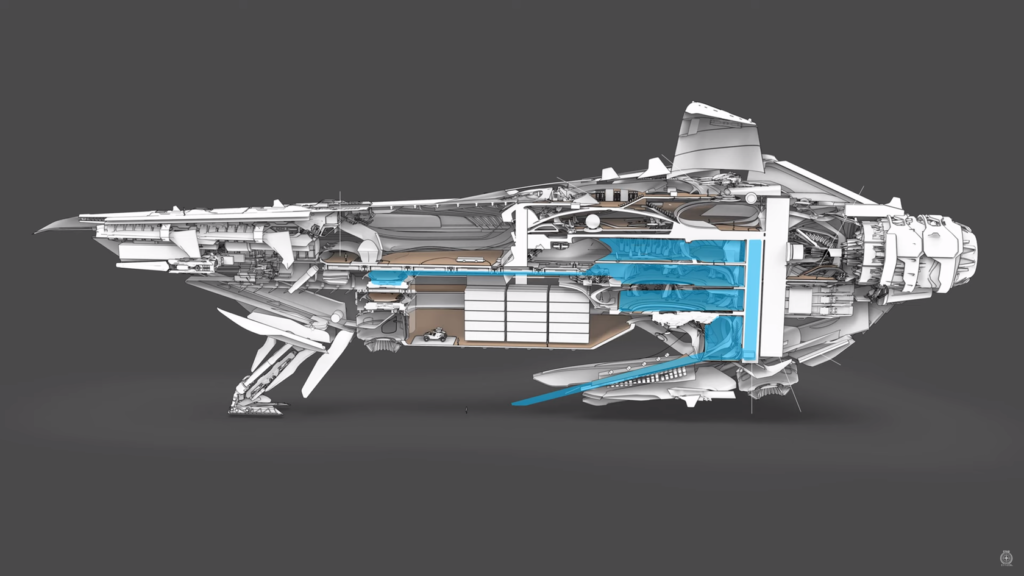
This is probably its most fascinating feature: the Merchantman is presented as a true travelling bazaar. It carries goods, but it can also welcome visitors who come to browse and buy what its crew has to offer. In its presentation, CIG described a ship able to land or dock and invite locals to discover the goods on board, and the official Galactapedia describes it as a heavy hauler that can double as a mobile trading post, with spaces dedicated to displaying and exchanging goods.
That role completely changes how the ship has to be designed: you need a shop floor, walkways, storerooms and places to receive visitors. The ship becomes a meeting place. It no longer carries just goods: it carries an economic activity, a culture and a way of life.
Alien architecture
Artistically, the challenge is thrilling: building an interior that does not look like a human ship’s. How do the Banu organise their spaces? How do they live on board, welcome visitors, display their wares? What place do they give to trade, technical areas and living quarters? The team has to build a believable architecture without leaning on the usual human references. It is a particularly demanding exercise in art direction.
A ship that became a legend
The Merchantman also holds a special place in the community’s imagination. Its concept dates back to Star Citizen’s early years, and it has long embodied one of the universe’s great promises: a ship valued not for its combat ability, but for the experiences it could offer.
Where does it stand?
At the time of writing, RSI’s official Ship Matrix still lists the Merchantman as “In Concept”, with the note “Hull concept complete”: its hull concept is finished, but the ship is neither complete nor available in game.
And yet its potential keeps the imagination running. I picture a crew setting up their stalls, visitors discovering goods from distant systems, negotiations inside an architecture unlike anything we know, and a huge ship turned, for the length of a stopover, into a real hub of life. A travelling shopping centre. A home. A cultural embassy. A showcase for Banu craftsmanship.
And above all, a demonstration of what Star Citizen tries to achieve when it does not just build vehicles, but imagines civilisations capable of designing them. That is why, to me, the Merchantman is one of the finest expressions of CIG’s creative ambition.
Conclusion: building machines, bringing a dream to life
When you play Star Citizen, it is easy to get swept up in the spectacle. You take off from a planet, reach a station, cross a system and find a new ship sitting in a hangar. You admire its proportions, its lighting, its materials and the details of its cockpit. But behind that experience lies work we rarely measure: hours of thinking, creating, modelling, integrating and testing for every ship.
Cloud Imperium Games’ vehicle teams work at the crossroads of several disciplines: industrial design, architecture, aviation, software engineering and art. The point is not to claim that Star Citizen reproduces the constraints of a real space programme, but to recognise that few games care this much about the functional and visual consistency of their vehicles. That ambition comes at a price: time, resources, trade-offs and sometimes very long development cycles. Not every ship follows the same schedule, and some concepts are still far from being finished. None of that takes anything away from the quality of the work done by the women and men who shape this universe.
Because behind every cockpit there is design work. Behind every corridor, thought about space. Behind every technical panel, an artistic or functional intent. Behind every engine, a host of systems that have to talk to each other to create the illusion of a living machine. Perhaps that is Star Citizen’s true singularity: not just showing us ships, but making us believe they have a history, an industry, a purpose and a place in a civilisation that could be our own.
One day, perhaps, we will walk through the Merchantman the way you wander a market at the end of the world. We will stroll the corridors of a giant freighter, share a cockpit with several crewmates or watch mechanics repair a damaged system. And at that moment, we will no longer think about the software, the textures or the lines of code. We will simply see a ship. A machine that seems to have always existed.
In the end, that is the finest compliment one can pay the teams who design them: they have turned millions of polygons, complex systems and years of work into a true dream of exploration, a future we would all love to take our place in.



Comments 0
No comments yet: start the conversation!
Your Discord name and picture will sign your comment. Be courteous: inappropriate comments are removed.