

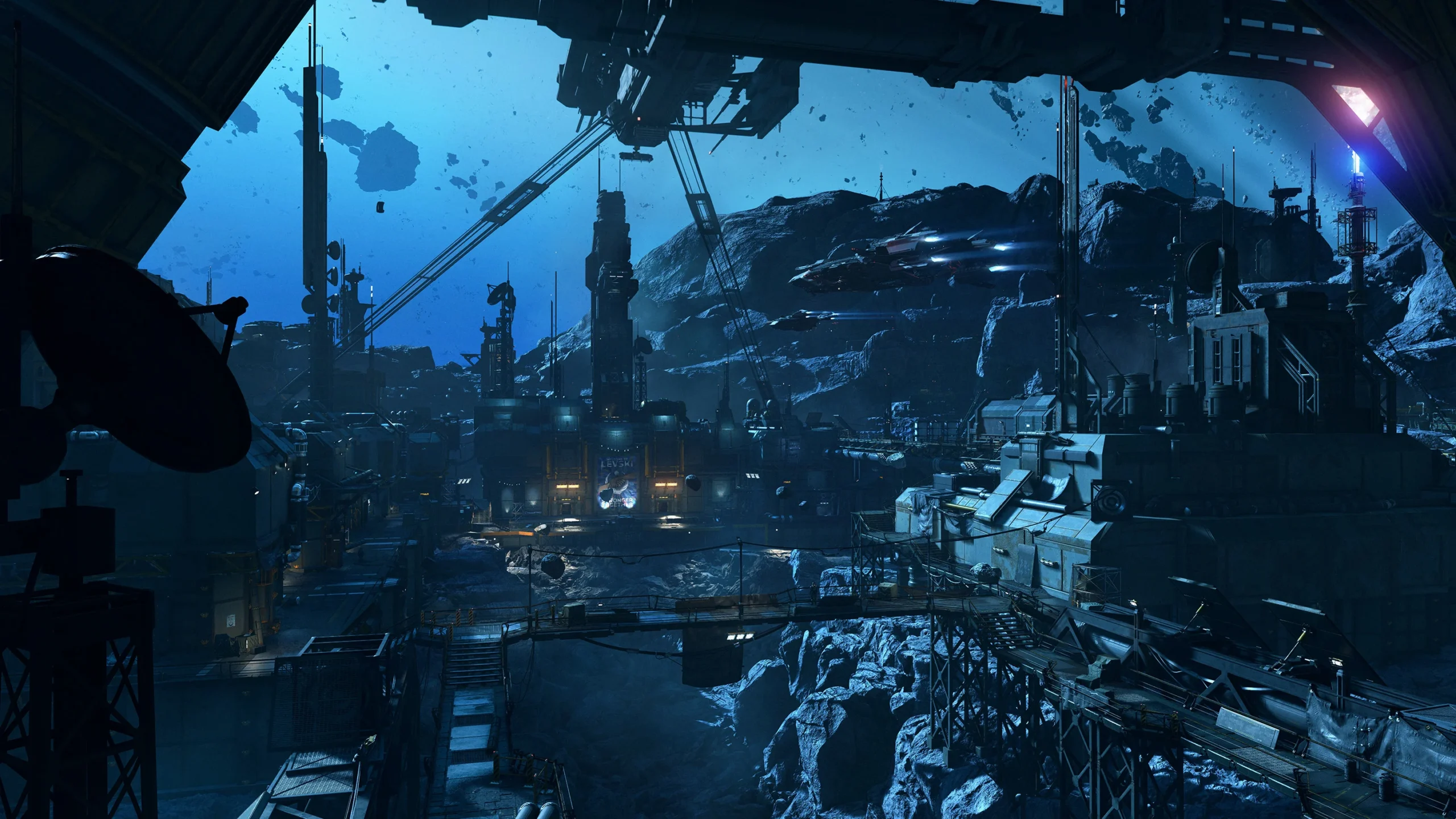
Fourteen Years Later, Where Are We Really ?
In October 2012, Chris Roberts introduced the world to a project that would quickly exceed all expectations: creating the space simulator he had always dreamed of, free from the constraints of traditional publishers and funded directly by players.
Back then, some of us were still playing Skyrim on our Xbox 360s. Since then, three console generations have come and gone, gaming empires have risen and fallen, and Star Citizen is still in development. So much for traveling at the speed of light.
In 2026, the project crossed the symbolic milestone of one billion dollars in crowdfunding. A staggering amount that reflects both the extraordinary trust placed in the project by parts of its community and the enormous expectations now resting on Cloud Imperium Games’ shoulders.
However, reducing Star Citizen to its funding counter or its years of delays would be unfair. The game available today bears little resemblance to the early modules that allowed players to do little more than admire their ships inside a hangar.
The universe has expanded considerably, gameplay activities have multiplied, and the technologies required to support it are beginning to come together.
Star Citizen remains a work in progress. But it’s now a work in progress where genuine adventures can unfold.
A Universe You Can Finally Live In
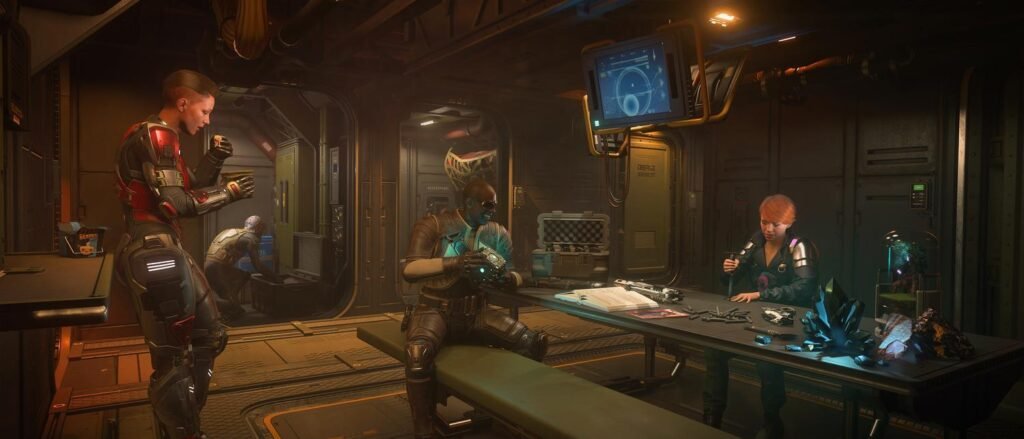
Star Citizen’s greatest strength doesn’t necessarily lie in the size of its universe, but in the way players interact with it.
While many space games rely on transitions and interfaces to simulate interplanetary travel, Star Citizen aims to maintain physical continuity between the player, their ship, and the surrounding environment.
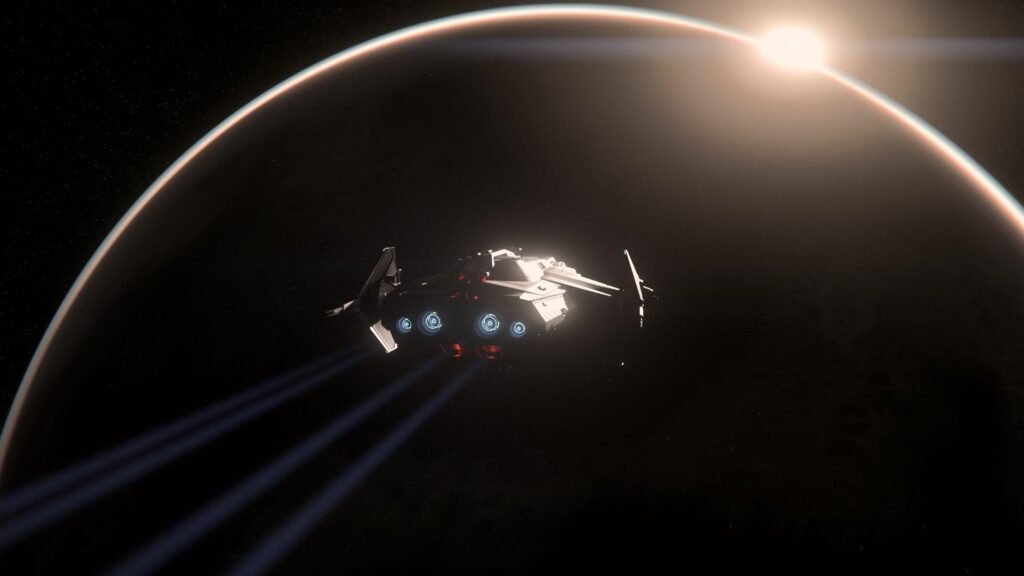
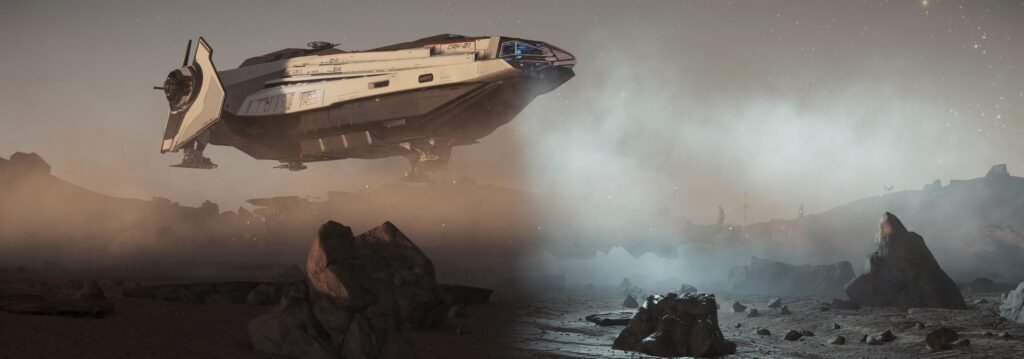
You wake up in an apartment, walk through a city, take public transportation, reach your hangar, board your spaceship, leave the atmosphere, and set off to explore another planet.
All without encountering a traditional loading screen along the way.
On paper, this might sound like a minor detail. In practice, it fundamentally changes our relationship with the virtual world.
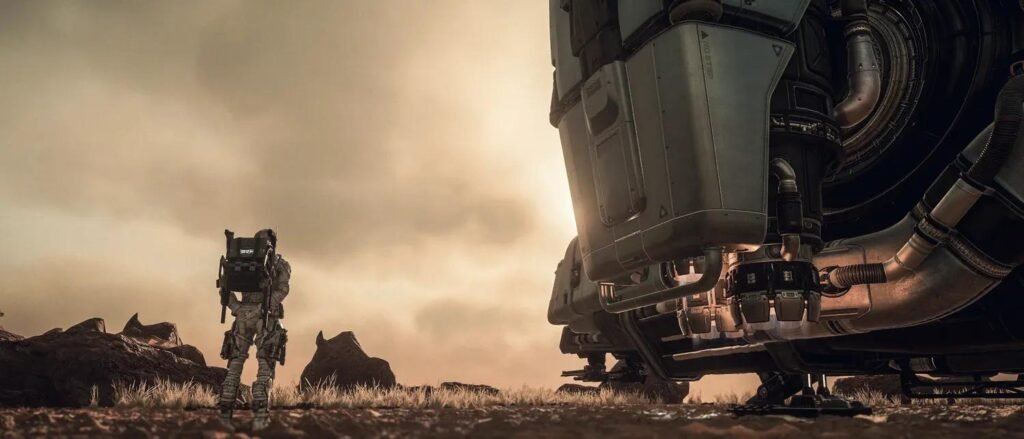
A spaceship is no longer just a vehicle you select from a menu. It becomes a living space, a work tool, a means of transportation, and sometimes even a sanctuary.
You become familiar with its corridors, equipment, capabilities, and shortcomings. Eventually, you grow attached to a virtual machine in much the same way a car enthusiast might grow attached to their favorite vehicle.
This is arguably one of Cloud Imperium Games’ greatest achievements: making a universe that exists entirely behind our screens feel almost tangible.
What Can You Actually Do in Star Citizen in 2026 ?
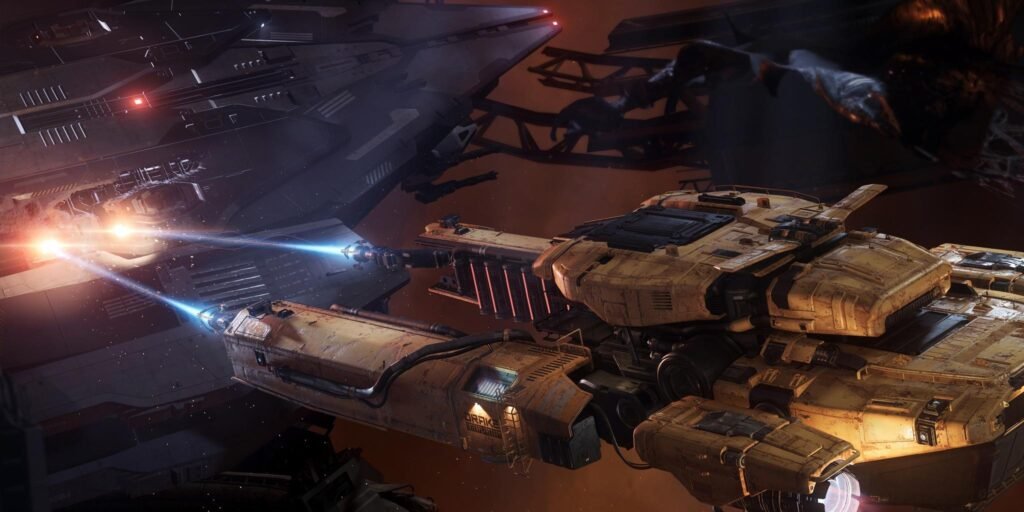
This is probably the most important question for newcomers. After all, impressive technology alone doesn’t make a great video game.
In this respect, Star Citizen has come a long way.
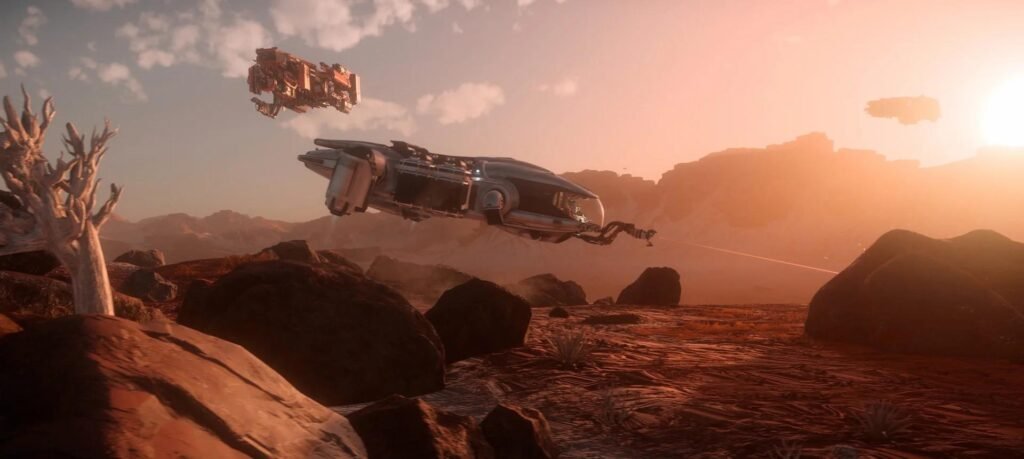
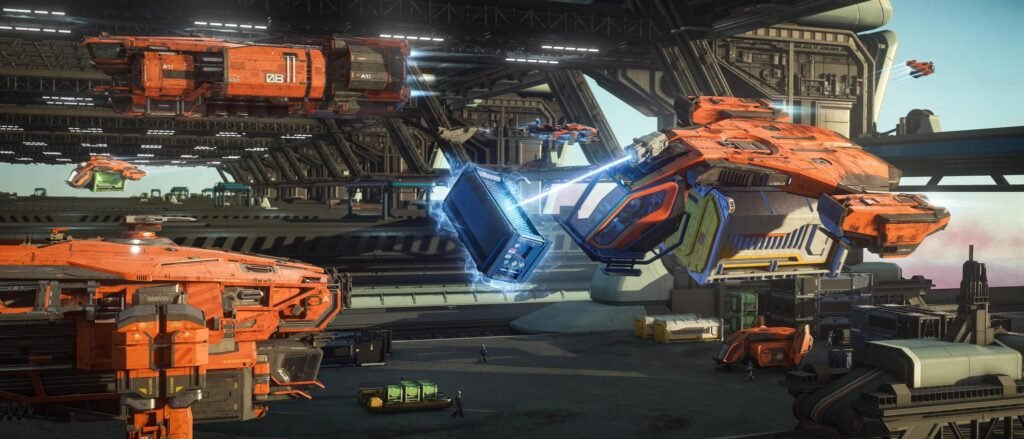
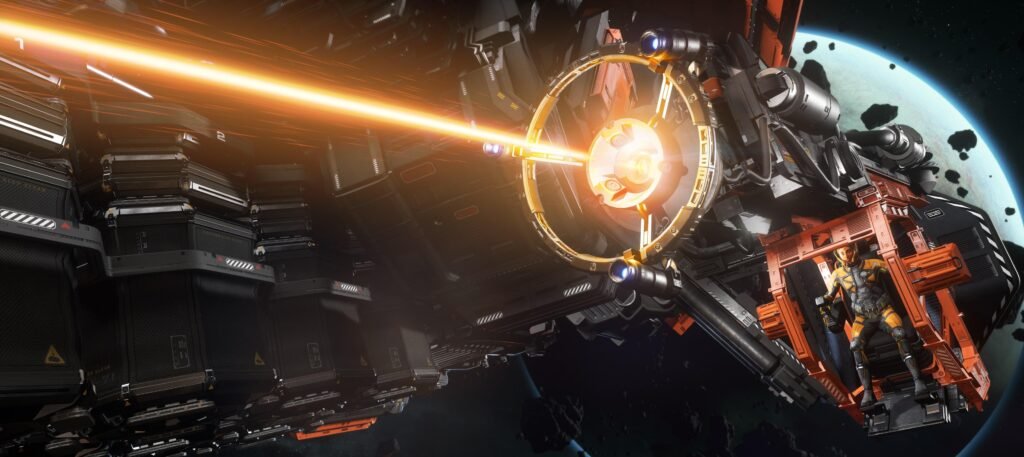
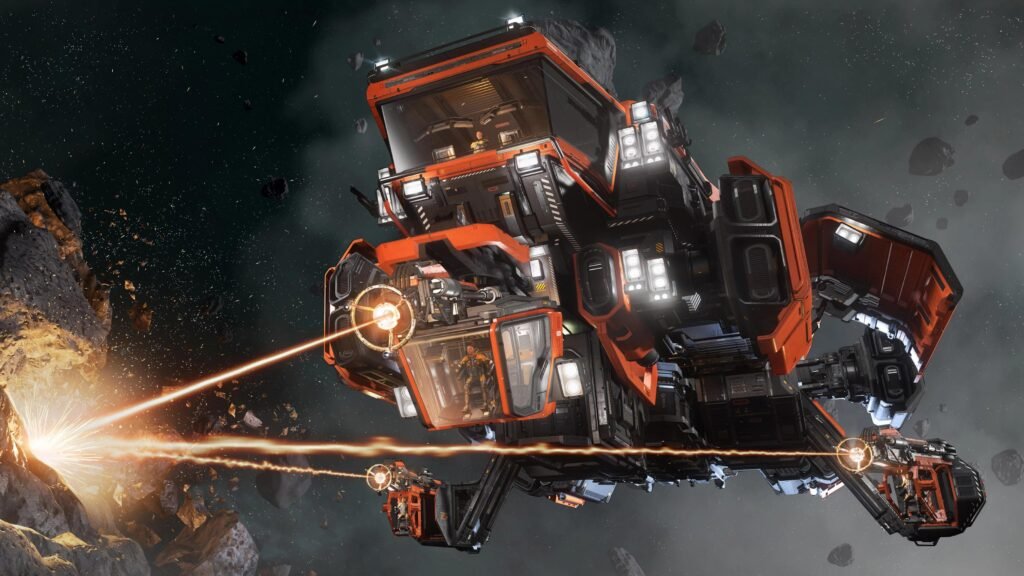
Cargo hauling, trading, mining, salvaging, bounty hunting, military operations, medical rescue, piracy, and equipment crafting now offer a variety of ways to experience the universe.
Players can currently:
- Mine valuable resources on planetary surfaces or in asteroid fields.
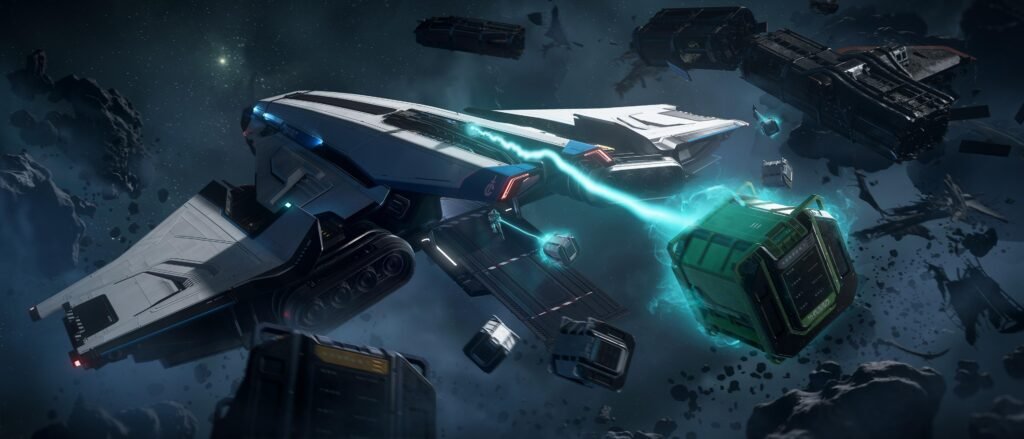
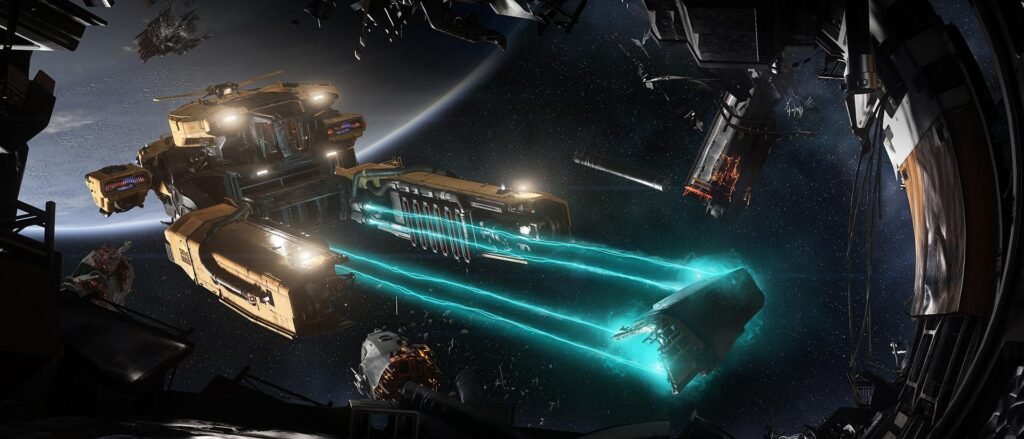
- Recover and salvage abandoned spacecraft.
- Transport goods and physically handle their cargo.
- Engage in space and ground combat.
- Explore abandoned facilities and contested zones.
- Craft weapons and equipment.
- Provide medical assistance to other players.
- Participate in large-scale operations involving multiple ships and crews.
Naturally, some activities are more developed than others. Scientific exploration, in particular, remains far from the project’s original ambitions.
But Star Citizen truly reveals its potential when these different gameplay systems intersect.
A routine cargo run can turn into an ambush. A salvage operation might require an armed escort. A stranded pilot can bring several players together to organize a rescue mission.
These situations aren’t necessarily scripted by the developers. They emerge naturally from interactions between players and the game’s systems.
And it’s often during these unexpected moments that Star Citizen becomes something truly special.
Stanton, Pyro, and Nyx : A Universe Taking Shape
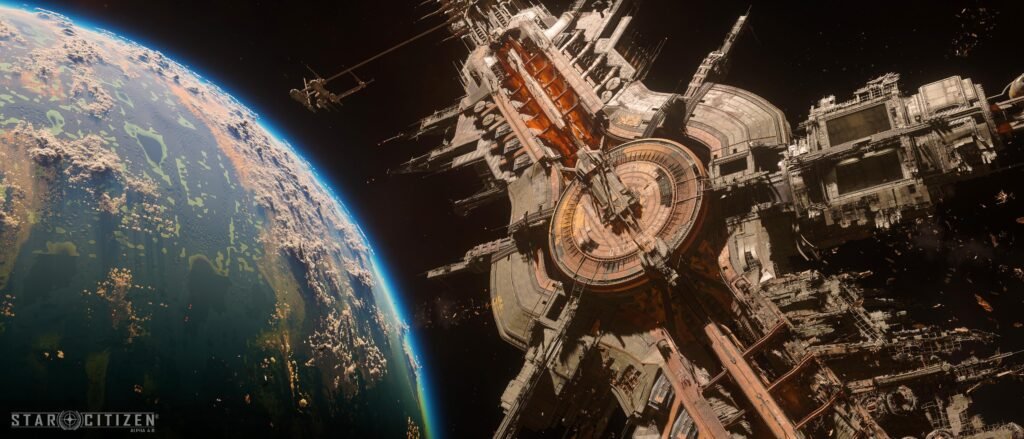
For many years, Stanton served as the primary playground for citizens of the Verse.
With its sprawling cities, orbital stations, industrial facilities, and distinct planetary environments, the system showcases a human civilization largely dominated by powerful corporations.
The arrival of Pyro fundamentally changed that dynamic.
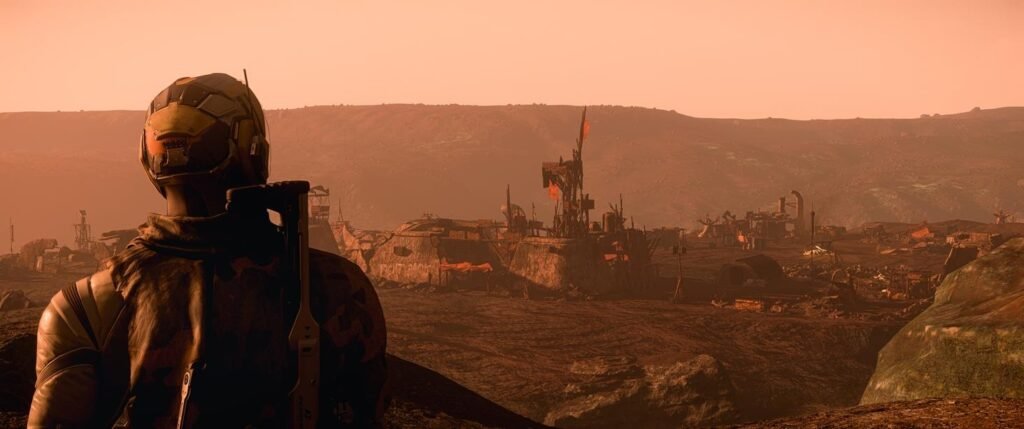
More hostile, less secure, and heavily influenced by conflicts between factions, Pyro offers an experience where preparing for an expedition takes on an entirely different meaning.
Nyx now adds another layer of identity to the universe, notably through the return of Levski and encounters involving the Vanduul.
Since November 12, 2026, Alpha 4.10.3 has introduced new contracts related to Vanduul incursions in Nyx, including space battles, ship reclamation operations, and assaults on enemy positions.
The universe is still a long way from the roughly one hundred star systems originally envisioned. Nevertheless, its increasingly diverse environments and activities are beginning to give the project a genuine sense of geographical coherence.
The question is no longer simply how many planets Cloud Imperium Games can create, but what players will actually be able to do on them.
Alpha 5.0: Much More Than Just Another Update
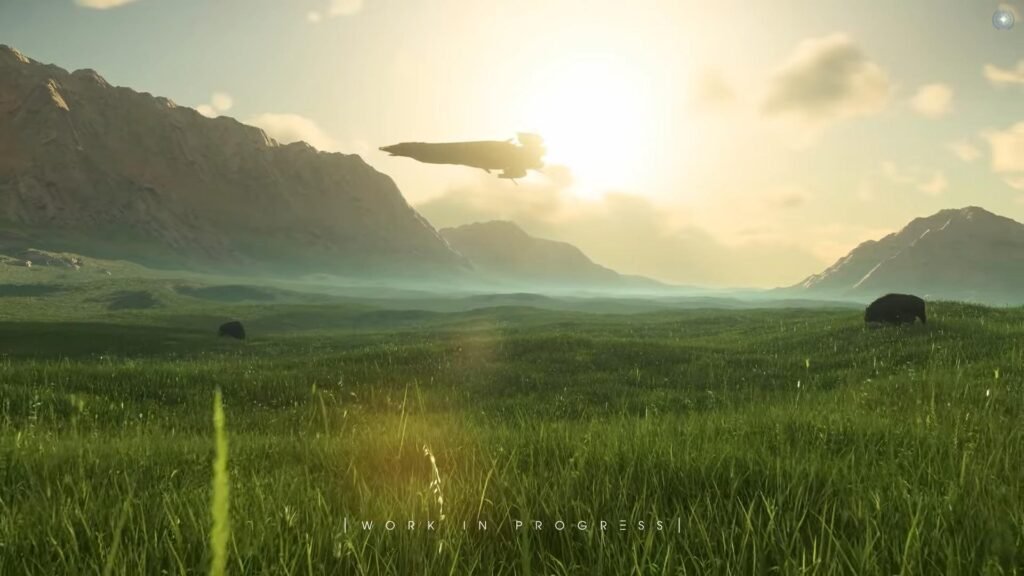
On November 4, 2026, Cloud Imperium Games officially announced that Alpha 4.11 would be renamed Alpha 5.0.
The change in numbering reflects the significance of the technologies coming together in this upcoming release.
At the heart of this evolution is Genesis, an initiative designed to transform how developers build, populate, and bring planetary environments to life.
Until now, creating a universe of this scale has required an enormous amount of work from artists and environment design teams.
How do you create dozens of believable planets without assigning hundreds of developers to each one for several years?
Genesis is part of the answer.
Planet Tech V5
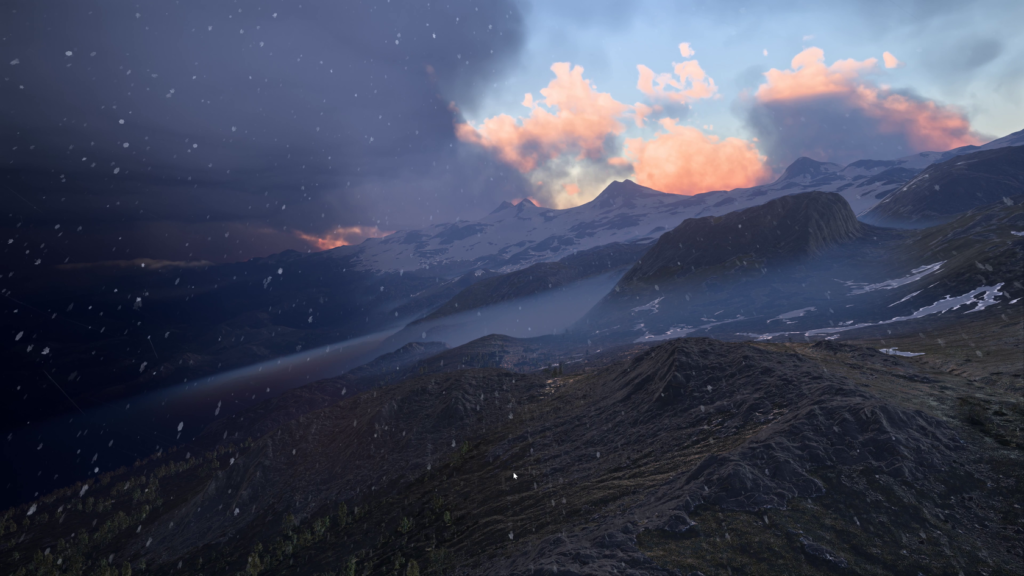
This next generation of planetary technology aims to create more natural environments by improving biome formation, vegetation and rock distribution, and the rendering of different terrain types.
Some generation processes will be handled by the graphics processing unit, allowing for richer environments while helping manage their performance cost.
The goal is no longer simply to create beautiful planets, but to create landscapes that feel naturally and logically composed.
Starchitect
Starchitect introduces a new approach to building planetary infrastructure.
Using Genesis environmental data and modular assets created by artists, the technology is designed to generate and distribute locations across planetary surfaces.
For players, this could mean more locations to explore, facilities to infiltrate, and missions to complete.
For developers, it represents an opportunity to expand the universe on an entirely different scale.
Population Manager
A breathtaking planet with absolutely nobody on it is more of a desktop wallpaper than a living world.
The Population Manager is intended to improve how server-managed populations are distributed and generate inhabitants appropriate to their surroundings.
The technology also lays the groundwork for more dynamic interactions between the game’s non-player characters.
Planetary-Scale Server Meshing
Alpha 5.0 is also expected to introduce more granular subdivisions of planetary territories across multiple servers.
Until now, an entire planet could represent a substantial workload for a single game server. By distributing that workload across multiple servers, CIG aims to increase the simulation capacity of its most complex environments.
Nyx I is expected to be the first planet to benefit from this new approach.
Additional features include contract boards, new missions, and locations generated using Starchitect.
However, it’s important to make a distinction: as of November 17, 2026, Alpha 5.0 is still undergoing testing on the Public Test Universe (PTU). These upcoming features should not be confused with those already available on live servers.
Alpha 5.0 will not be Star Citizen’s final release. It could, however, represent a defining milestone in the project’s ability to expand its universe.
A Technological Achievement That Shouldn’t Overshadow Its Problems
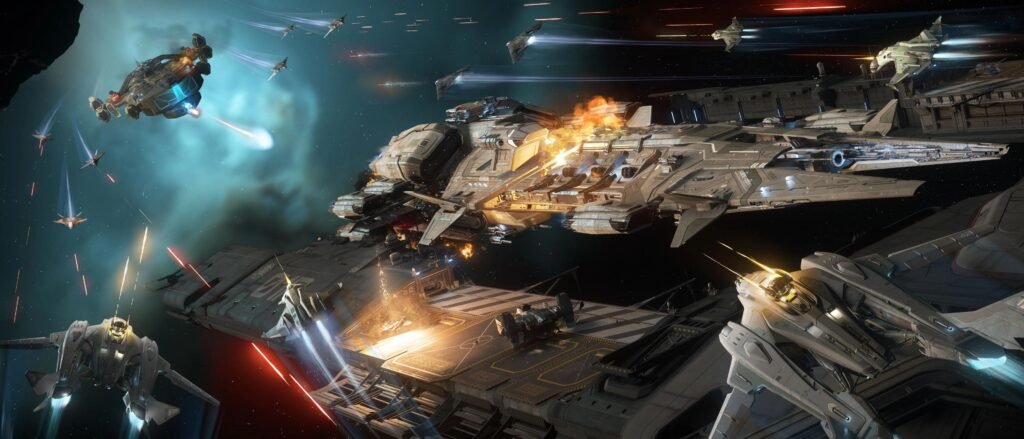
It’s difficult to discuss Star Citizen without addressing its network architecture.
Unlike traditional multiplayer games, where each server generally hosts its own separate game instance, Cloud Imperium Games is working to make multiple servers operate within a single shared environment.
This is the principle behind Server Meshing.
Imagine several neighborhoods within the same city, each managed by a different team, but where residents can freely move from one neighborhood to another without having to restart their day.
Alongside this is Persistent Entity Streaming, a technology designed to preserve the state of objects within the universe beyond an individual player’s session.
These systems partly explain why Star Citizen’s development is so complex.
But they cannot serve as a permanent excuse.
Someone who simply wants to enjoy an evening with friends shouldn’t need a PhD in network architecture to understand why their mission just disappeared.
Technological achievements only have real value in video games when they improve the player’s experience.
And in that department, Cloud Imperium Games still has work to do.
Bugs: Your Ever-Present Traveling Companion
Let’s be clear: Star Citizen remains an alpha, with everything that entails.
The official list of known issues for Alpha 4.10.3 still includes connection difficulties, performance drops, lost items, ship-related malfunctions, and missions that cannot be completed.
Some play sessions can be remarkably smooth and immersive. Others can turn into an endless series of unfortunate events.
In Star Citizen, your greatest enemy isn’t always a pirate, a Vanduul warrior, or a bounty hunter. Sometimes, it’s just an elevator.
This instability is particularly frustrating because the game places considerable emphasis on preparation.
Purchasing equipment, retrieving your ship, loading your cargo, planning your route, and traveling to a mission location can represent a significant investment of time.
When everything works, that preparation enhances the immersion. When a bug brings the entire operation to an abrupt end, it becomes a source of frustration.
Players should also remember that progress made during the alpha is not permanently guaranteed. Wipes may still occur throughout development.
Star Citizen should therefore be enjoyed for the experiences it offers today, rather than solely for the possessions you accumulate.
Do You Really Need to Spend Hundreds of Dollars to Play ?
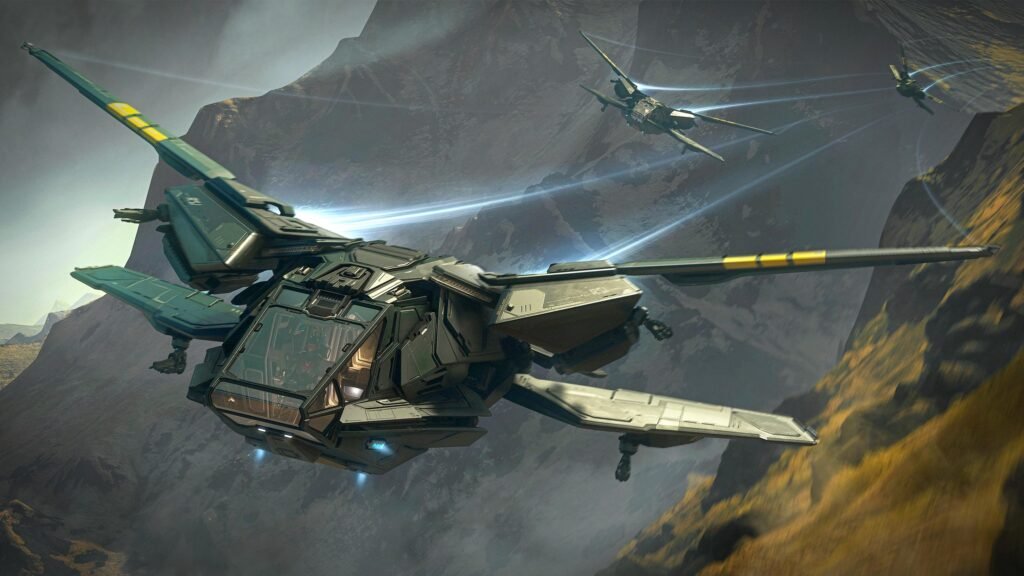
This is probably one of the most persistent misconceptions surrounding Star Citizen.
Ships sold for hundreds, or even thousands, of dollars regularly fuel controversy and contribute to the perception that the game is a hobby reserved for wealthy enthusiasts.
Yet you don’t need to own an entire fleet to explore the Verse.
The First Flight Pack, normally priced at $60 and available for $45 at the time of writing, includes an Aurora Mk II and access to the game. The final price may vary depending on applicable taxes and ongoing promotions.
Many ships can then be purchased directly in-game using virtual currency.
You can start with a modest spacecraft, complete missions, save money, and gradually work your way toward more specialized ships.
That progression is actually a significant part of what makes Star Citizen enjoyable.
Buying an enormous industrial ship right away might sound tempting. But starting with almost nothing, discovering the different professions, and gradually earning enough to expand your fleet gives the adventure an entirely different flavor.
That doesn’t mean CIG’s business model is beyond criticism.
Selling ships that are still in development, offering limited-time deals, and providing material advantages in exchange for real money all raise legitimate questions about game balance, progression, and commercial practices.
Players who own substantial fleets undeniably enjoy a material head start. How that advantage will translate into the game’s final economy remains to be seen.
Our advice is simple: buy access to a game, not a promise.
The Verse is vast enough to give you plenty of time to figure out what you actually need.
Is Your PC Ready for Liftoff ?
Star Citizen remains a particularly demanding game when it comes to PC hardware.
The sheer number of simulated objects, the complexity of its environments, its draw distances, and the various processes running in real time place considerable demands on computer components.
Cloud Imperium Games lists the following system requirements:
| Component | Minimum Requirements | Recommended Requirements |
|---|---|---|
| Operating System | Windows 10 64-bit | Windows 10 or 11 |
| Processor | AVX, AVX2, and FMA3 compatible | 4–8-core processor or better |
| RAM | 16 GB | 32 GB |
| VRAM | 4 GB | 8 GB |
| Storage | SSD, 150 GB or more | SSD, 150 GB or more |
These official specifications do not, however, guarantee a specific frame rate.
Performance can vary considerably between a space station, a major city, and an operation involving multiple crews.
CPU performance and system memory play particularly important roles. A high-end graphics card won’t necessarily compensate for other limitations in your system.
Before replacing your entire PC to join the Verse, consider taking advantage of a free trial period.
Your wallet will thank you.
Is Star Citizen for Everyone ?
Star Citizen belongs to a category of games that value the journey as much as the destination.
While some titles aim to provide instant gratification, Cloud Imperium Games’ space simulator places particular importance on travel, preparation, and logistics.
Retrieving your ship, organizing an expedition, or transporting cargo are all integral parts of the experience.
This philosophy is both its greatest strength and one of its biggest weaknesses.
Fans of simulation, science fiction, sandbox games, and multiplayer adventures will find an incredibly interesting playground.
Players looking for an immediately accessible experience, short gaming sessions, linear storytelling, or a tightly controlled progression system may struggle with its many constraints.
Star Citizen requires time, curiosity, and a certain tolerance for the unexpected.
In return, it offers a degree of freedom that remains rare in today’s gaming landscape.
November 2026: The Perfect Time to See for Yourself

If you’re still on the fence about joining Star Citizen, the timing couldn’t be better.
From November 13 through November 27, 2026, the Intergalactic Aerospace Expo 2956 allows newcomers to explore the game’s universe for free.
Hosted in New Babbage on microTech, the event features more than 200 ships and vehicles available to test throughout the exhibition.
An Aurora Mk II is also provided to participants for the entire duration of the event.
It’s the perfect opportunity to explore different professions, test your PC’s performance, and, most importantly, determine whether the game’s philosophy appeals to you.
All you need to do is create an account on the official Roberts Space Industries website and download the game.
Keep in mind, however, that these events attract large numbers of players, meaning the technical conditions experienced during a Free Fly event may not be representative of regular gameplay sessions.
The Beacon Mag Verdict: Is Star Citizen Finally Worth Playing in 2026 ?
Yes. But perhaps not for the reasons you might expect.
Star Citizen isn’t worth exploring because it has raised a billion dollars, because it’s developing impressive technologies, or because it promises to one day become the greatest space simulator ever created.
It’s worth exploring because of what it can already offer.
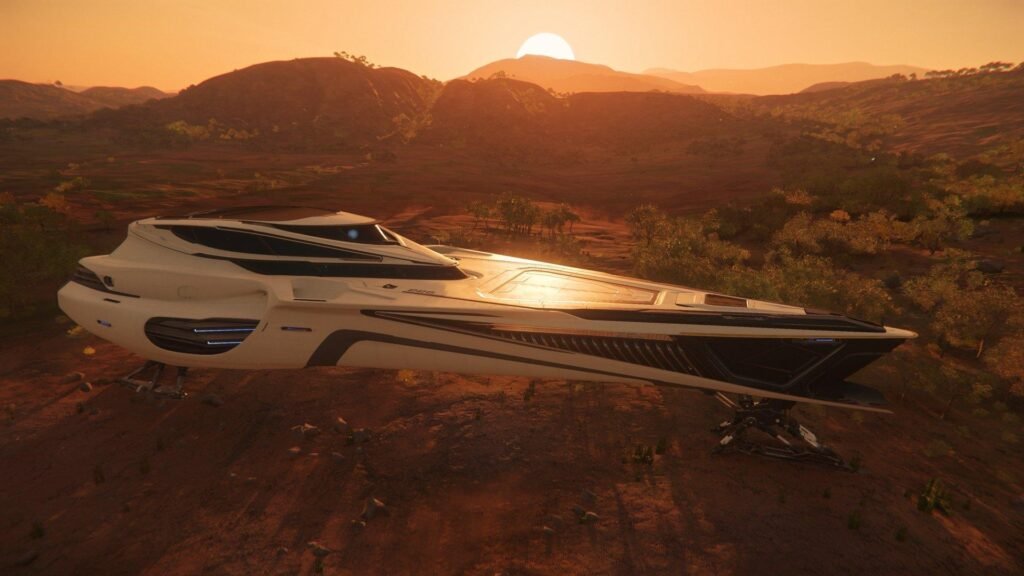
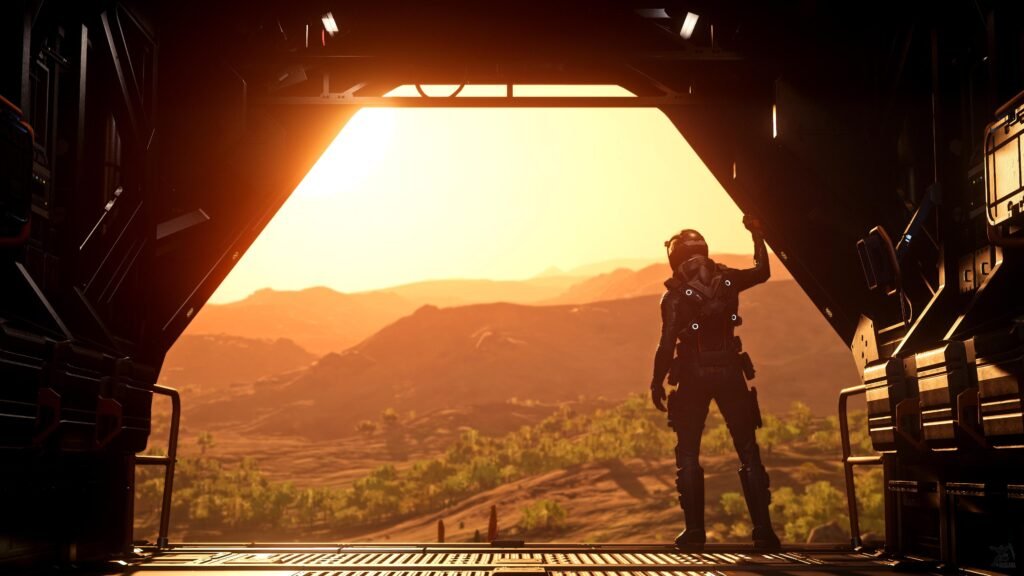
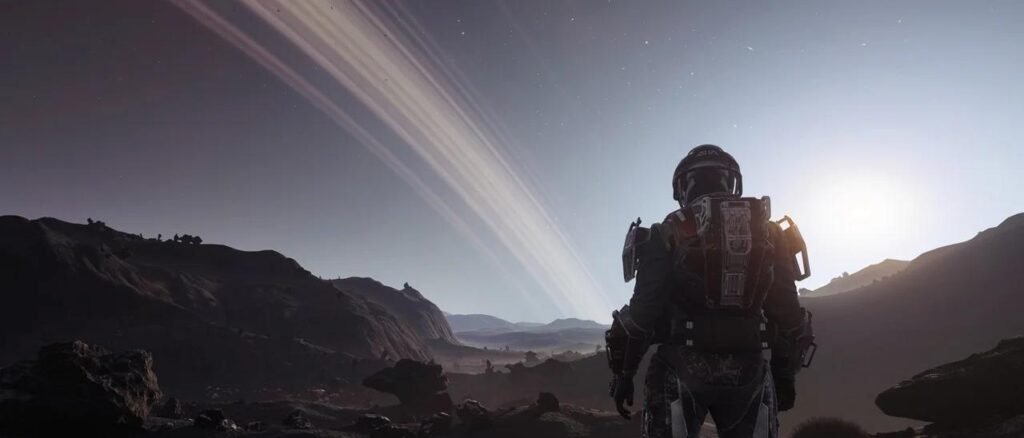
The feeling of solitude against the vastness of space. The satisfaction of your first successful landing. Watching a sunrise from your ship’s cockpit. The tension of a military operation. Unexpected encounters and spontaneous adventures with friends.
These moments already exist.
Unfortunately, they coexist with bugs, unfinished gameplay mechanics, inconsistent optimization, and a development timeline that remains surrounded by uncertainty.
After fourteen years of development, players have every right to expect greater stability, transparency, and maturity.
Acknowledging Star Citizen’s achievements doesn’t mean abandoning critical thinking. Likewise, recognizing its shortcomings shouldn’t prevent us from appreciating the tremendous amount of work accomplished by its developers.
Our recommendation is simple: try the game for free, and if you enjoy the experience, start with a basic game package.
Don’t buy Star Citizen for the game it promises to become tomorrow.
Buy it only if you enjoy the game you can play today.
Because ultimately, the greatest journey in Star Citizen might not be the one that eventually takes us to version 1.0.
It’s the one we can already embark on among the stars.
Download Page – Roberts Space Industries | Follow the development of Star Citizen and Squadron 42


Comments 0
No comments yet: start the conversation!
Your Discord name and picture will sign your comment. Be courteous: inappropriate comments are removed.