
In-deptharticles

Articles

Sci-Fi Culture

Why science fiction helps us think about the future

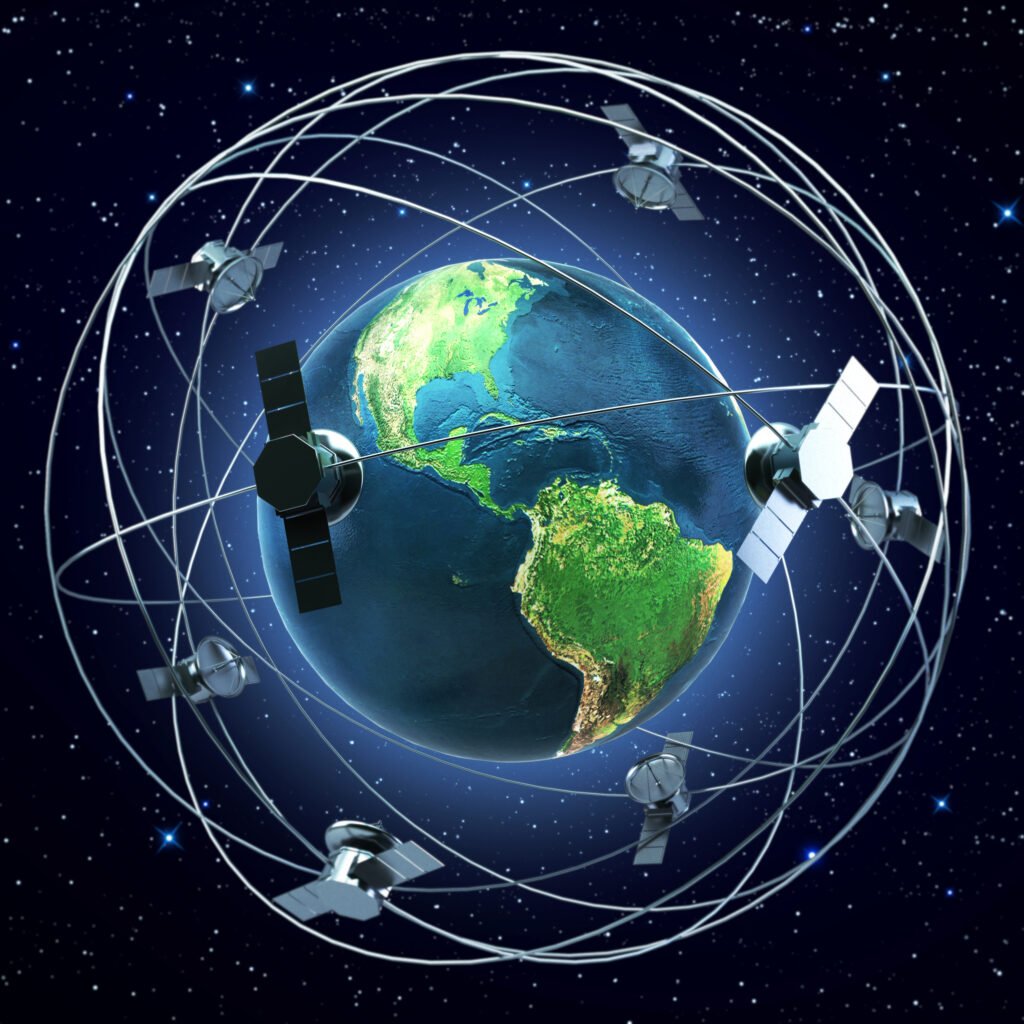
Long before the engineers, writers were dreaming up rockets, robots and satellites. A look back at a genre that does not predict the future, but teaches us how to argue about it. Science fiction has never claimed to predict the future. It does something better: it asks 'what if…?' and follows the answer all the way through. What if we could leave Earth? What if a machine began making decisions for us? What if the climate tipped over? Each story is a thought experiment carried to its conclusion, with characters there to feel the effects. The American author Frederik Pohl is credited with a line that sums up the exercise: a good science fiction story does not just predict the car, it predicts the traffic jam. In other words, the invention matters less than what it changes in our lives. That is what makes the genre such a remarkable laboratory of ideas.

Read the article

Comment fonctionne un processeur, expliqué simplement

Tech

How a Processor Works, Explained Simply

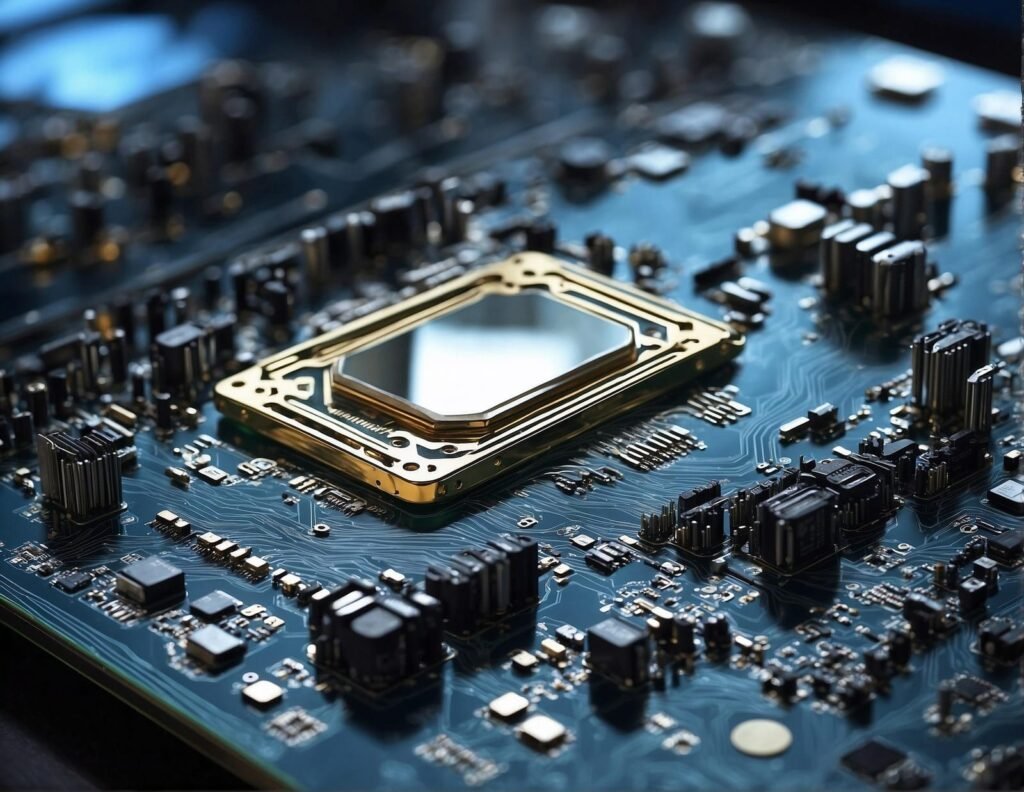
Billions of tiny switches, a clock that ticks billions of times a second and a recipe followed to the letter: that's what is hiding inside the chip that runs our computers, phones and consoles. A guided tour, no equations required. The processor is often called the computer's "brain". It's a handy image, but a misleading one: a processor doesn't think. It carries out very simple orders, one at a time, at a speed that defies imagination. Physically, it's a sliver of silicon barely bigger than a fingernail, protected by a casing. You'll find one in a PC, of course, but also in a smartphone, a car, an internet router or a washing machine.

Read the article
Space opera, cyberpunk, hard SF : le petit lexique de la SF

Sci-Fi Culture

Space opera, cyberpunk, hard SF: a short sci-fi glossary

Do you mix up space opera and hard SF? Not sure whether Blade Runner belongs under cyberpunk or dystopia? This short guide sorts out the main families of science fiction: for each one, a definition, a little history and a few works to start with. Science fiction is less a genre than a continent. Galactic sagas, neon-lit noir, engineers' novels and green utopias all live under the same label. Subgenres work as a compass. They say less about what a story tells than about the promise it makes to its audience: escape, scientific wonder, a warning or a reason to hope. Here are the four families worth knowing, and a few of their cousins.

Read the article
Comment une fusée quitte-t-elle la Terre ?

Aerospace

How does a rocket leave the Earth?

Thrust, insane speeds, stages dropped in mid-flight… Leaving Earth has less to do with magic than with physics, and an unreasonable amount of fuel. Explained without equations, promise. Sending an object into space is a bit like throwing a pebble hard enough that it never comes back down. On paper, it's simple. In practice, you need a machine as tall as a building, filled to the brim with stuff that would love nothing more than to explode, and steered with millimeter precision. Here's how it works, in four ideas.

Read the article
Réalité virtuelle, augmentée, mixte : quelles différences ?

Tech

Virtual, augmented, mixed reality: what’s the difference?

VR, AR, MR… Three acronyms, three ways of blending the real and the digital, and a fairly widespread state of confusion. Here's the rundown, no headset and no headache required. Smart headsets and glasses keep multiplying, and so do the acronyms on their boxes. It helps to know what they actually promise. The good news: it all comes down to dosage. How much of the real world do you keep, and how much digital do you add ? At one end of the scale, the world as it is. At the other, an entirely manufactured universe. The three technologies sit somewhere in between.

Read the article
1 2 3
Back to top