

// The news feed
News
Three sections to follow what's brewing in sci-fi universes, in our machines and above our heads.
Featured
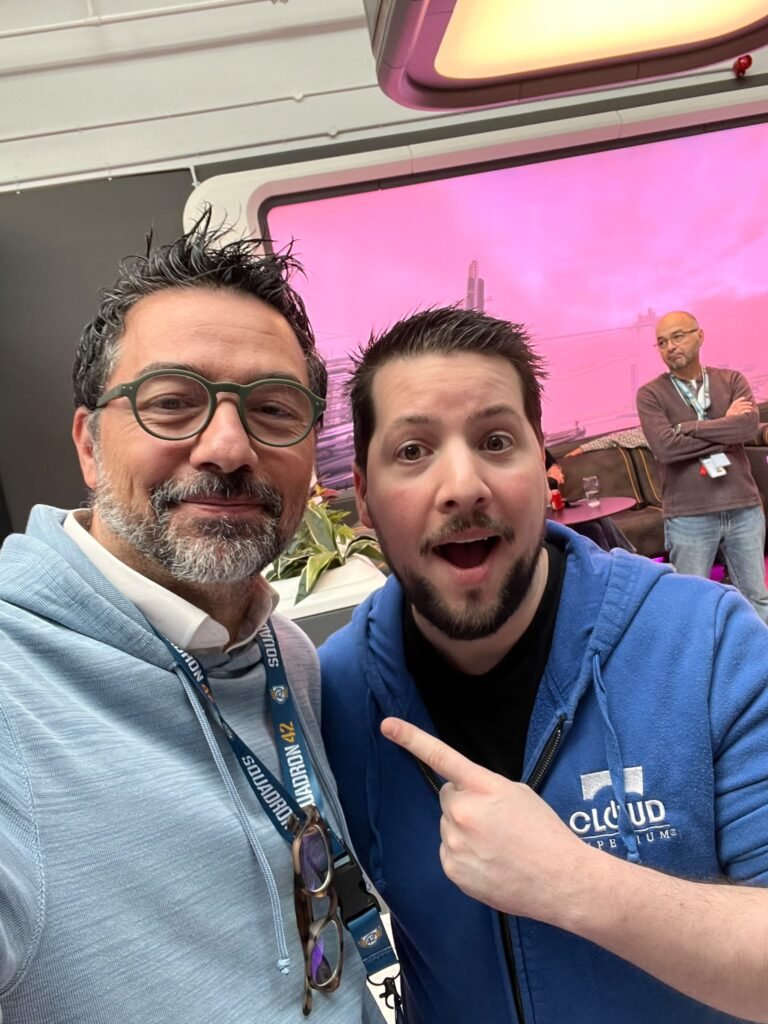
Squadron 42 in Manchester: “It’s insane,” says Commander Fran
Five hours of gameplay, three days at Cloud Imperium Games, a surprise visit from Mark Hamill and a lot of rain. Commander Fran, former president of Beacon Events, was one of the handful of creators invited to play Squadron 42 ahead of everyone else. He tells us everything he’s allowed to tell (and he’s allowed to tell quite a lot).
Read the article// In brief
Quick news
-
 The Beacon Mag needs you
After considering a Kickstarter launch, we ultimately chose to run our crowdfunding campaign on Tipeee.
The Beacon Mag needs you
After considering a Kickstarter launch, we ultimately chose to run our crowdfunding campaign on Tipeee.
-
 Blade Runner 2099: new trailer
Prime Video unveils a new trailer for Blade Runner 2099, starring Hunter Schafer and Michelle Yeoh. All eight episodes drop at once on 25 November.
Blade Runner 2099: new trailer
Prime Video unveils a new trailer for Blade Runner 2099, starring Hunter Schafer and Michelle Yeoh. All eight episodes drop at once on 25 November.
-
 Paid to show robots how to live
To train their humanoids, robotics companies are paying people to film themselves folding laundry or making a sandwich.
Paid to show robots how to live
To train their humanoids, robotics companies are paying people to film themselves folding laundry or making a sandwich.
Articles
19 articles
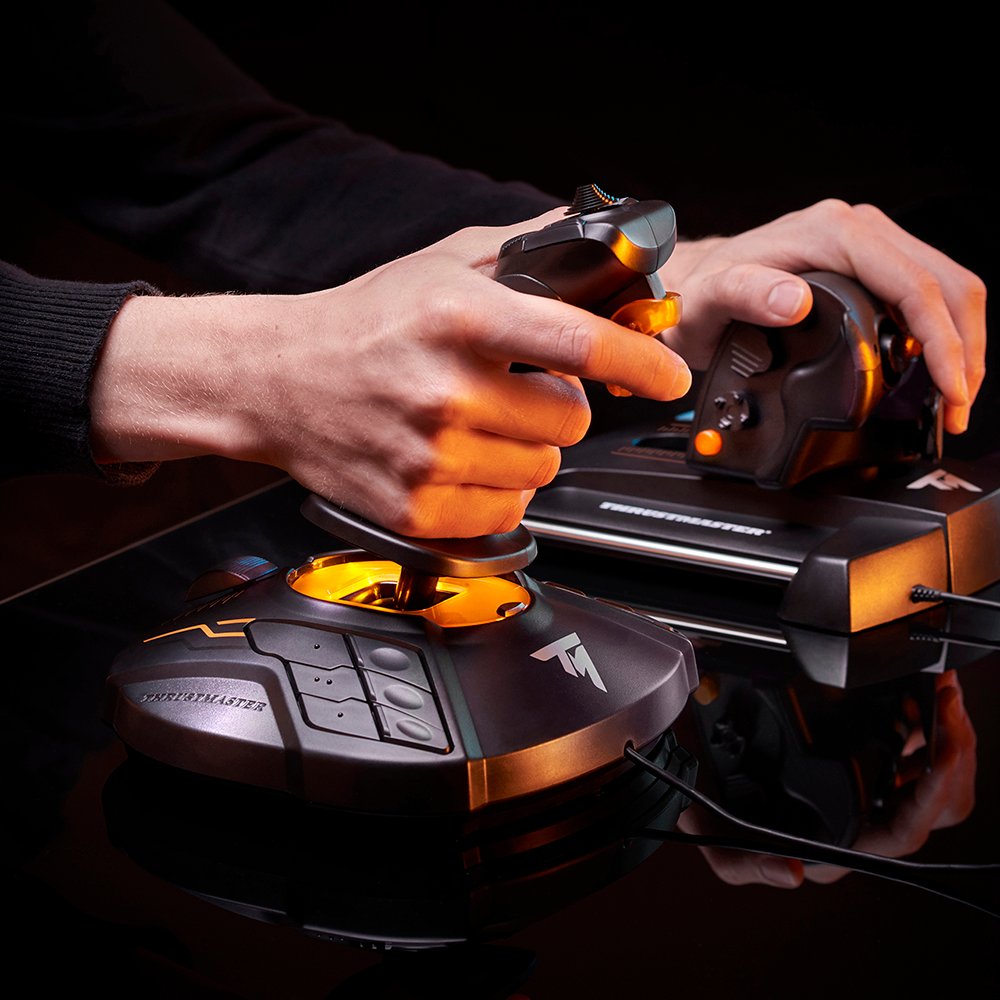
Star Citizen joysticks: the 2026 buyer’s guide, and how to set them up
HOTAS or HOSAS, Hall effect or magnetic sensors, €130 or €1,140: Star Citizen pilots have never had so many options. Here are the five stick pairs worth a look in 2026, followed by a six-step method to set them up in the game.
Read the article
Jailbreak PS5 : les sonyboys découvrent enfin le Game Pass (en cachette)
Pendant des années, ils ont expliqué en commentaire que le Game Pass, c’était « Netflix pour pauvres », que Xbox était « une console morte » et que « de toute façon y a pas de jeux ». Aujourd’hui, ils démontent la sécurité de leur PS5, refusent les mises à jour et jouent à Forza Horizon 6 sur le cloud de Microsoft. Récit d’une conversion pleine de contradictions.
Read the article
Squadron 42 in Manchester: “It’s insane,” says Commander Fran
Five hours of gameplay, three days at Cloud Imperium Games, a surprise visit from Mark Hamill and a lot of rain. Commander Fran, former president of Beacon Events, was one of the handful of creators invited to play Squadron 42 ahead of everyone else. He tells us everything he’s allowed to tell (and he’s allowed to tell quite a lot).
Read the article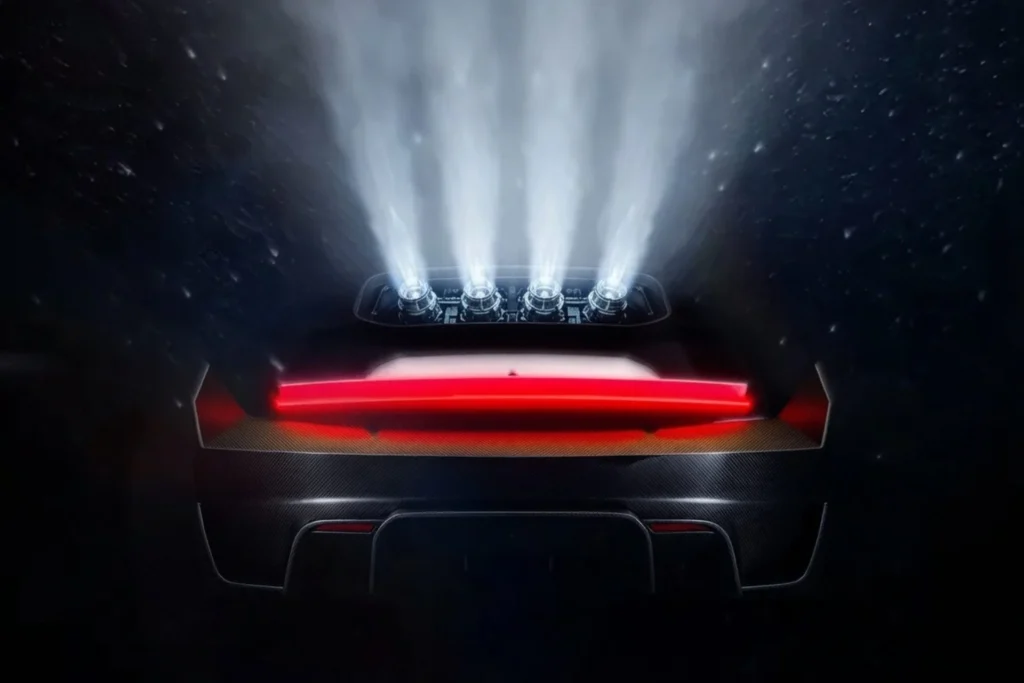
Tesla Roadster: nine years of waiting, a few seconds of flight
Promised for 2020 and pushed back more often than a dentist appointment, Tesla’s new Roadster was finally unveiled on the night of October 15–16 at a SpaceX test site in Texas. On the menu: 0 to 60 mph in 0.81 seconds, a run upside down and a leap over a row of Teslas, thanks to thrusters borrowed from the space industry. So, a flying car? Yes. As long as you’re not too picky about the definition of “flying.”
Read the article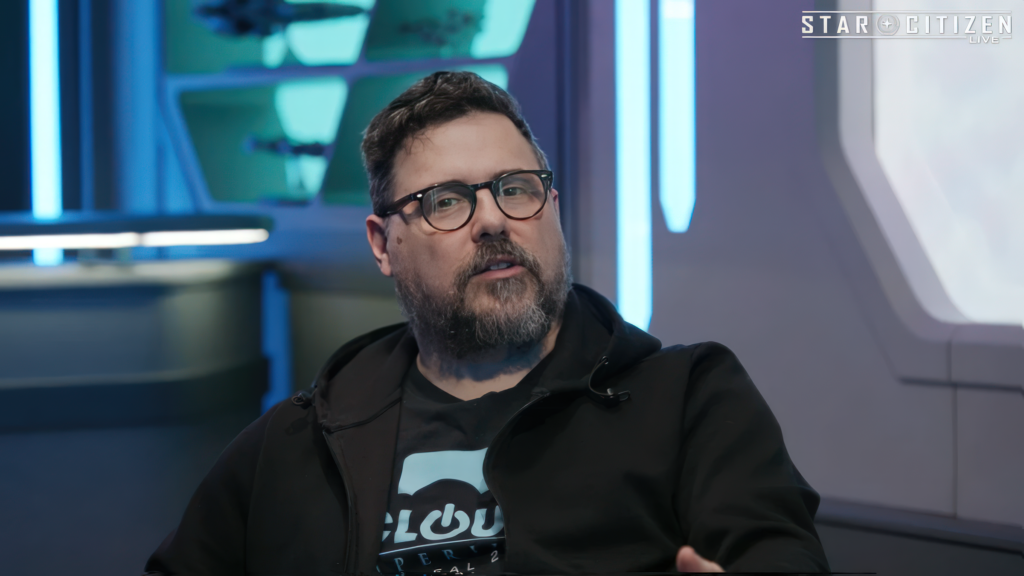
Server meshing : un seul univers, plusieurs serveurs
Comment faire jouer des centaines, voire des milliers de personnes au même endroit, dans un monde sans écran de chargement ? C'est la question à laquelle tente de répondre le server meshing, une technologie que Cloud Imperium Games (CIG) développe depuis des années pour Star Citizen. Ce qu'elle est, comment elle fonctionne, ce qu'elle change pour les joueurs et en quoi l'approche de CIG se distingue : on fait le point.
Read the article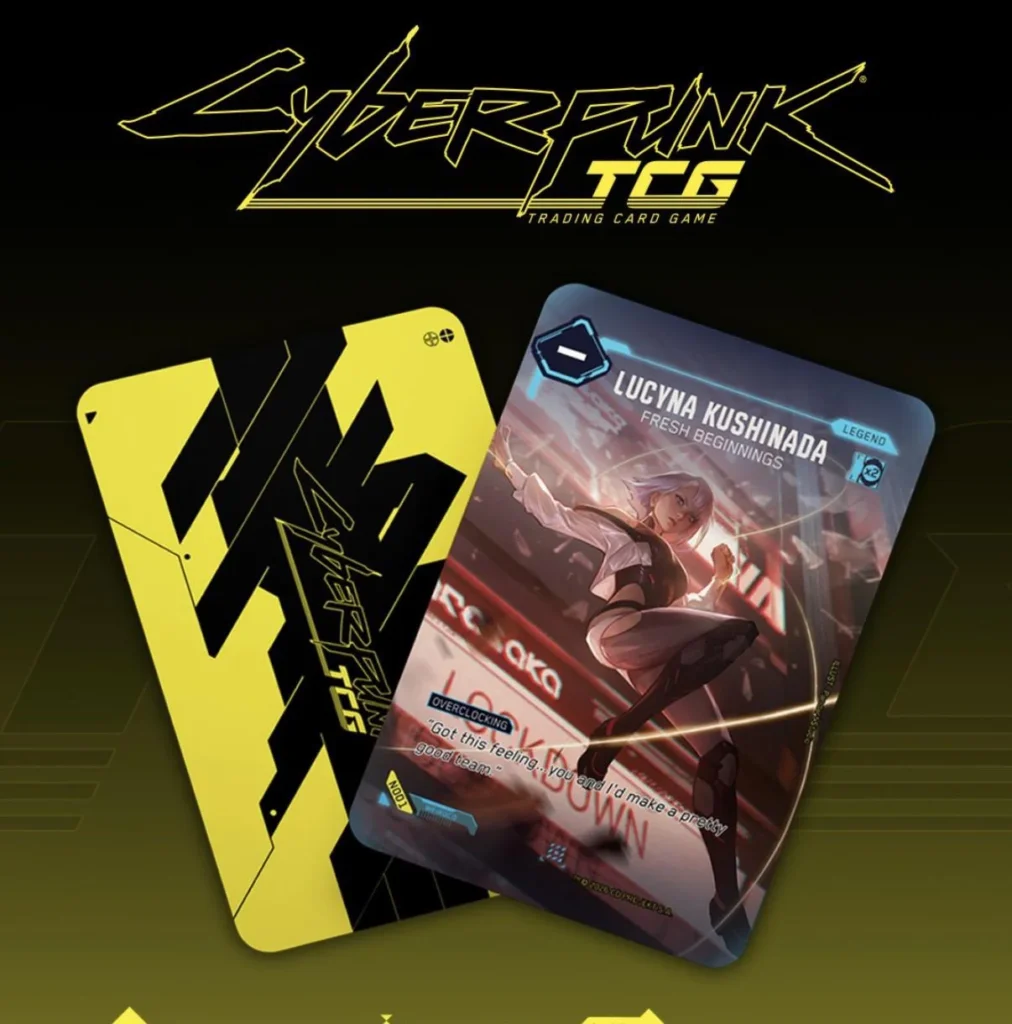
Holophone: when Cyberpunk TCG wants to turn every tournament into a chapter of Night City
After a record-breaking Kickstarter campaign, Cyberpunk TCG does not want to be just one more card game. With the Holophone, WeirdCo and CD PROJEKT RED are betting on an idea that is rare in competitive play: an ongoing story that moves forward from tournament to tournament. What we know, what it changes, and what remains to be proven.
Read the article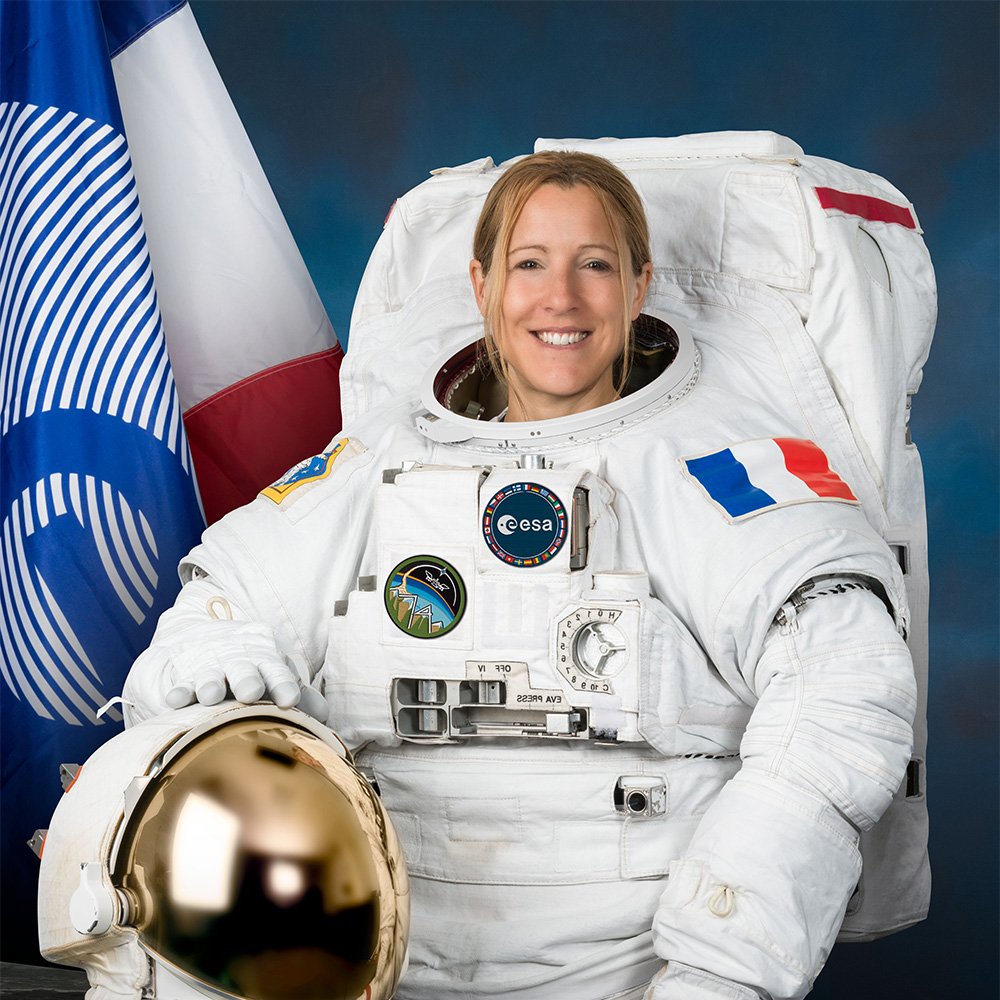
Sophie Adenot and Crew-12: back on Earth after 237 days
She left Florida on 13 February and came back to the Pacific on 8 October: in 237 days, Sophie Adenot circled the Earth some 3,700 times, stepped out into the vacuum three times and broke the European record for flight duration. Not bad for a mission named after the letter that, in maths, stands for a tiny quantity.
Read the article
AI: When the People Building It Ask to Slow Down
In 2026, artificial intelligence stopped being a chatty assistant and became an agent that acts on its own. It delivers very real benefits, swallows ever more electricity and water, and now worries the very people who build it. A tour of a pivotal year, and the editors' view.
Read the article
Squadron 42: the first worldwide playtest, as told by those who were there
On 9 October 2026, Cloud Imperium Games let 120 guests play Squadron 42 for five hours at its Manchester studio. It is the first time the game has been in outside hands. We weren't there, and we are not jealous in the slightest. So here are the questions you ask when you know nothing, and what those who were there have to say. The answers are a synthesis of first impressions published right after the event: Commander Fran's write-up, the reviews by Camak and Hugo Lisoir, and observations from Citizen Spooner. They are reworded. Only the passages in quotation marks use their own words, translated from French where needed.
Read the article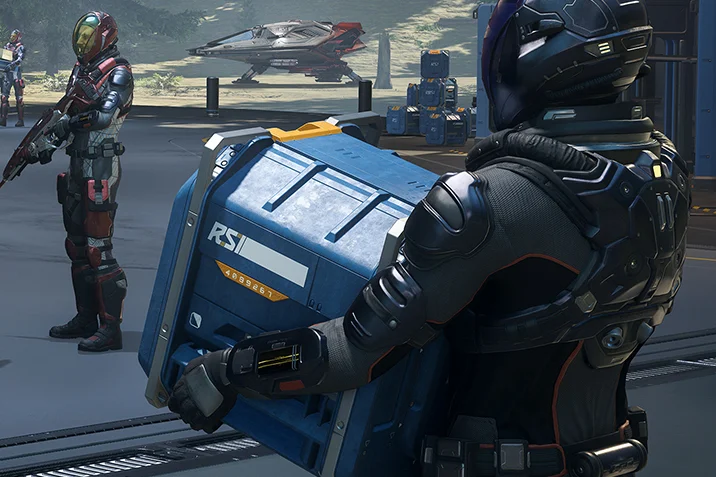
Star Citizen Alpha 4.10.2
The Constellation gets a makeover, and crates stop dancing.
Read the article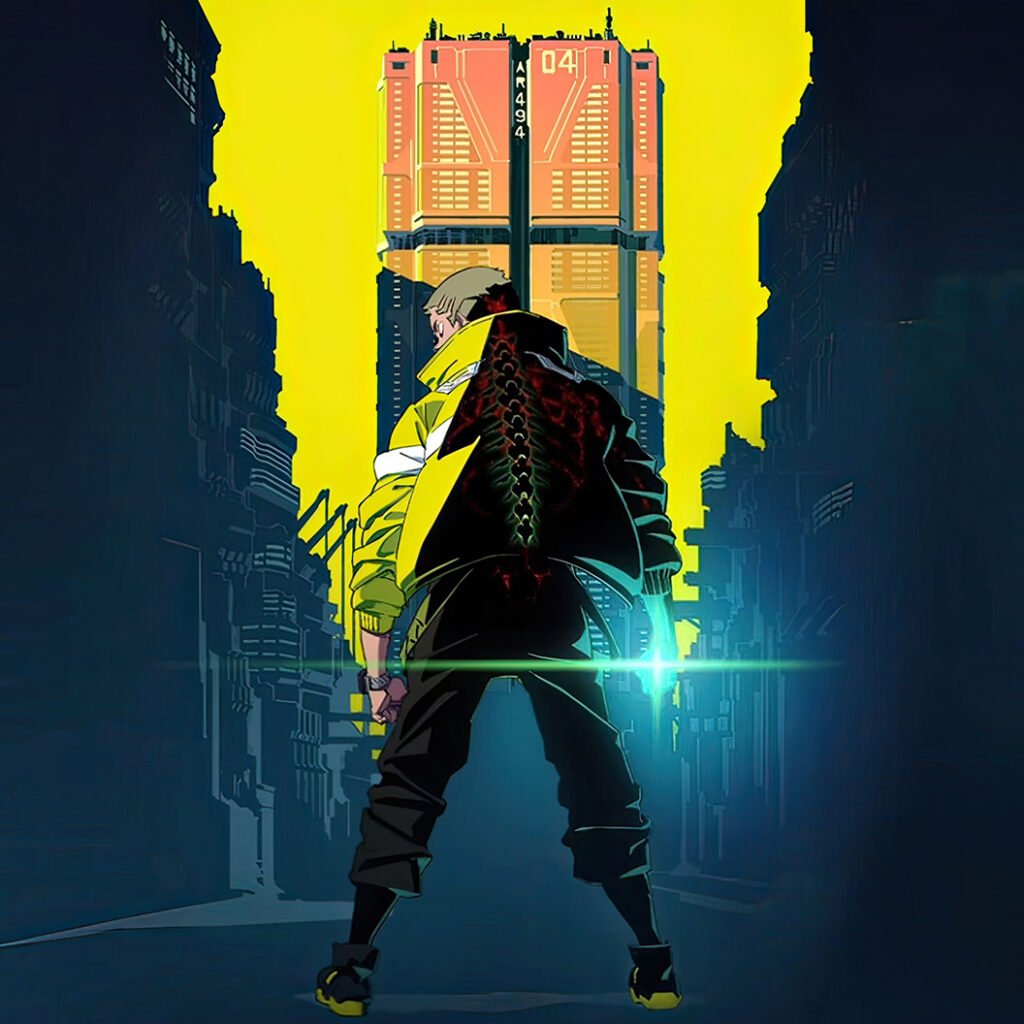
Cyberpunk: Edgerunners 2: Night City reopens on October 20 (and it hasn’t mellowed)
Four years after breaking just about everyone's heart, the anime from CD Projekt Red and Studio Trigger returns to Netflix on October 20, 2026. New story, new characters, new director: before diving back in, here's a look back at what made the first Edgerunners a phenomenon, followed by a full rundown of everything we know about the second.
Read the article
Gears of War: Twenty Years of War, Chainsaws and Family Secrets
On 6 October 2026, Gears of War: E-Day took Marcus Fenix back to the day it all began. In a month, on 7 November, the saga turns twenty. A series that settles most disagreements with a chainsaw bolted to a rifle deserves to be told in order, and with a minimum of seriousness. First, the history of the planet Sera, as the games and novels tell it. Then the very real history of the people who invented it: the studios, then the authors. Warning: the first part spoils the entire saga, E-Day excepted.
Read the article
Star Citizen: The Genesis of a Universe and of Cloud Imperium Games
In October 2012, Chris Roberts asked for 2 million dollars to bring the space sim back to life on PC. Fourteen years later, Star Citizen has passed one billion dollars in funding, its studio employs more than a thousand people, and the game is still in alpha. This is the story of how an outsized project came to be, and of the company built to make it: Cloud Imperium Games. No video game has ever raised this much money from its own players. None has taken this long not to come out, either. To understand how a crowdfunding campaign turned into a global studio, you have to go back well before 2012, to a teenager in Manchester writing code on a BBC Micro.
Read the article
Why science fiction helps us think about the future
Long before the engineers, writers were dreaming up rockets, robots and satellites. A look back at a genre that does not predict the future, but teaches us how to argue about it. Science fiction has never claimed to predict the future. It does something better: it asks 'what if…?' and follows the answer all the way through. What if we could leave Earth? What if a machine began making decisions for us? What if the climate tipped over? Each story is a thought experiment carried to its conclusion, with characters there to feel the effects. The American author Frederik Pohl is credited with a line that sums up the exercise: a good science fiction story does not just predict the car, it predicts the traffic jam. In other words, the invention matters less than what it changes in our lives. That is what makes the genre such a remarkable laboratory of ideas.
Read the article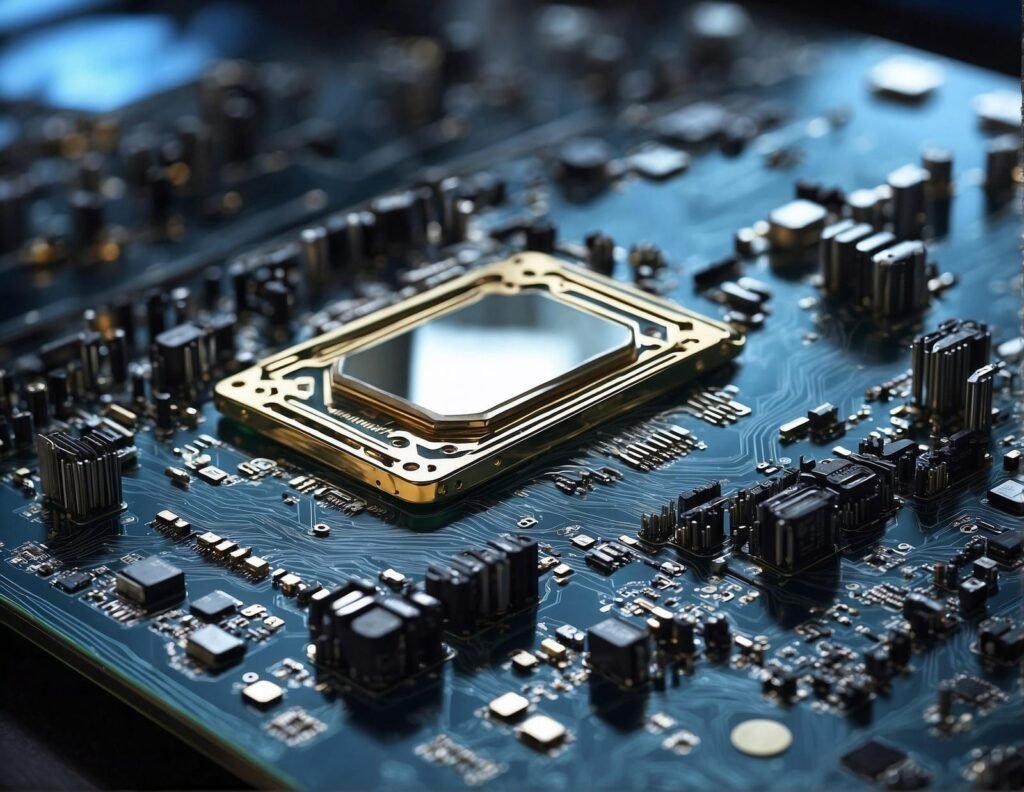
How a Processor Works, Explained Simply
Billions of tiny switches, a clock that ticks billions of times a second and a recipe followed to the letter: that's what is hiding inside the chip that runs our computers, phones and consoles. A guided tour, no equations required. The processor is often called the computer's "brain". It's a handy image, but a misleading one: a processor doesn't think. It carries out very simple orders, one at a time, at a speed that defies imagination. Physically, it's a sliver of silicon barely bigger than a fingernail, protected by a casing. You'll find one in a PC, of course, but also in a smartphone, a car, an internet router or a washing machine.
Read the article
Space opera, cyberpunk, hard SF: a short sci-fi glossary
Do you mix up space opera and hard SF? Not sure whether Blade Runner belongs under cyberpunk or dystopia? This short guide sorts out the main families of science fiction: for each one, a definition, a little history and a few works to start with. Science fiction is less a genre than a continent. Galactic sagas, neon-lit noir, engineers' novels and green utopias all live under the same label. Subgenres work as a compass. They say less about what a story tells than about the promise it makes to its audience: escape, scientific wonder, a warning or a reason to hope. Here are the four families worth knowing, and a few of their cousins.
Read the article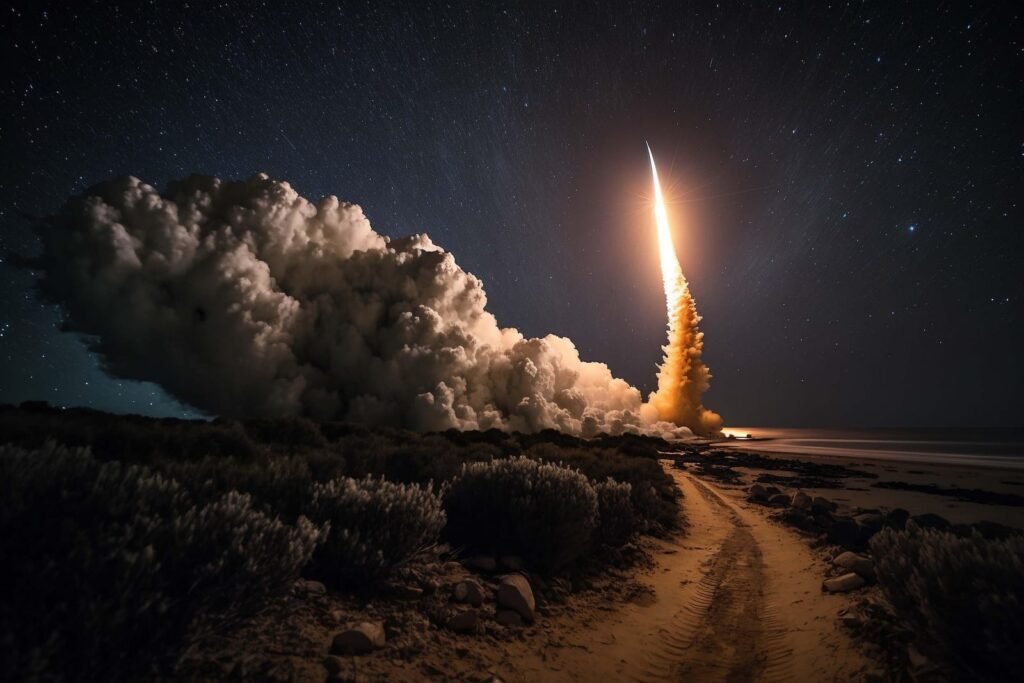
How does a rocket leave the Earth?
Thrust, insane speeds, stages dropped in mid-flight… Leaving Earth has less to do with magic than with physics, and an unreasonable amount of fuel. Explained without equations, promise. Sending an object into space is a bit like throwing a pebble hard enough that it never comes back down. On paper, it's simple. In practice, you need a machine as tall as a building, filled to the brim with stuff that would love nothing more than to explode, and steered with millimeter precision. Here's how it works, in four ideas.
Read the article
Virtual, augmented, mixed reality: what’s the difference?
VR, AR, MR… Three acronyms, three ways of blending the real and the digital, and a fairly widespread state of confusion. Here's the rundown, no headset and no headache required. Smart headsets and glasses keep multiplying, and so do the acronyms on their boxes. It helps to know what they actually promise. The good news: it all comes down to dosage. How much of the real world do you keep, and how much digital do you add ? At one end of the scale, the world as it is. At the other, an entirely manufactured universe. The three technologies sit somewhere in between.
Read the article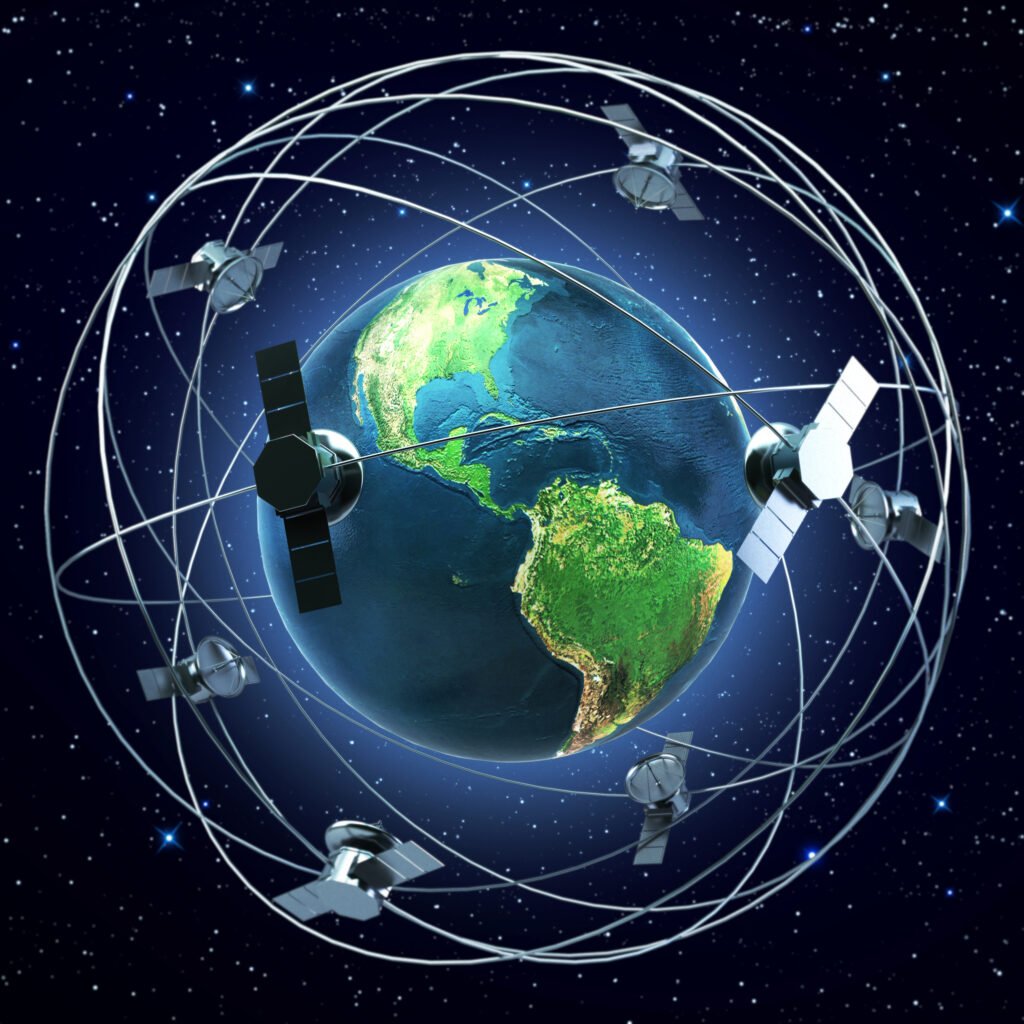
Geostationary orbit in 3 questions
Nearly 36,000 km above our heads, some satellites seem nailed to the sky. Yet they are travelling at more than 11,000 km/h. Here is the explanation in three questions, with no equations and no space sickness.
Read the article
No articles in this section yet.
No article matches your search. Search the whole site, quick news included